
Tanner’s Favorites
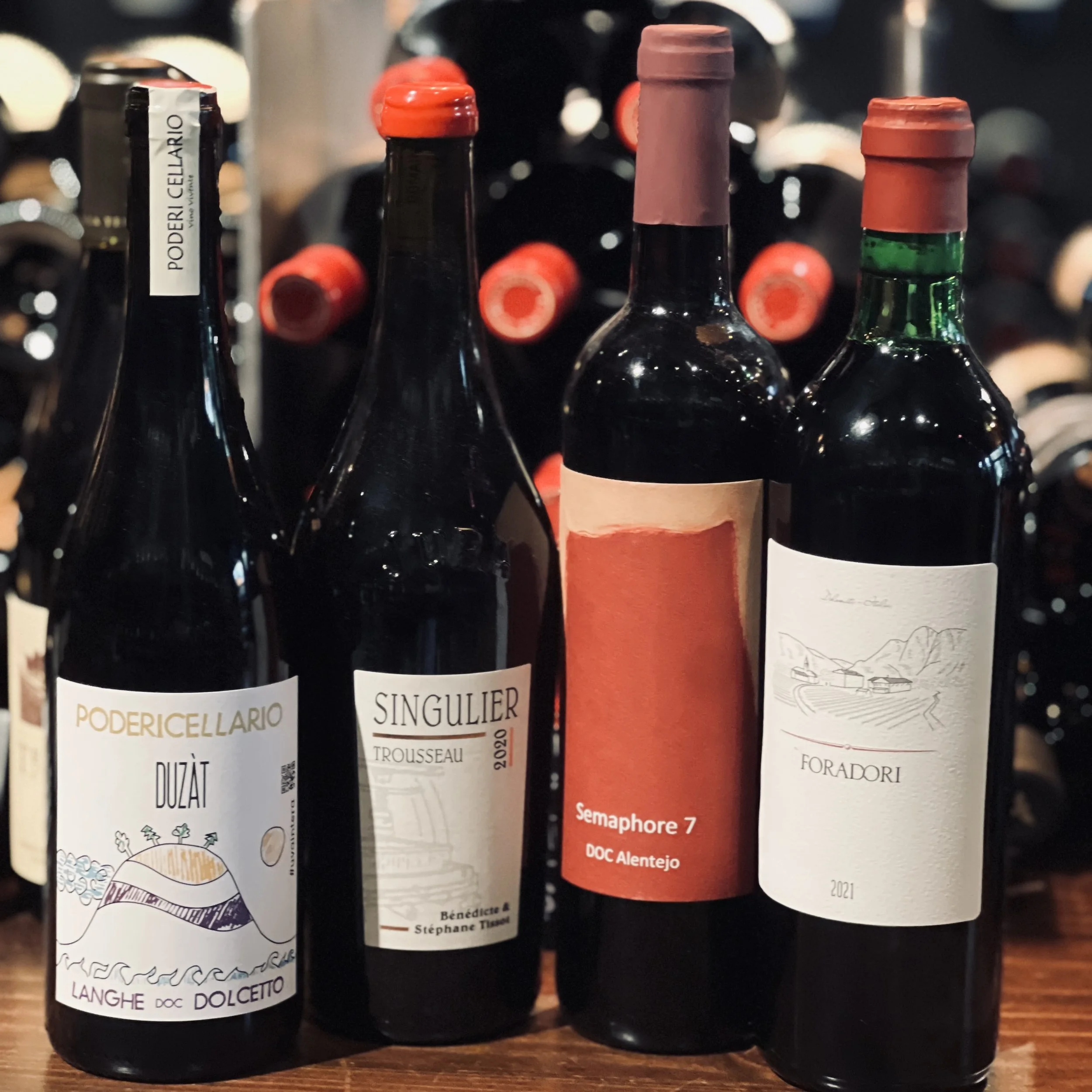
As we enter Tanner’s last week at Fermented, these are four of his favorite wines from every price point!
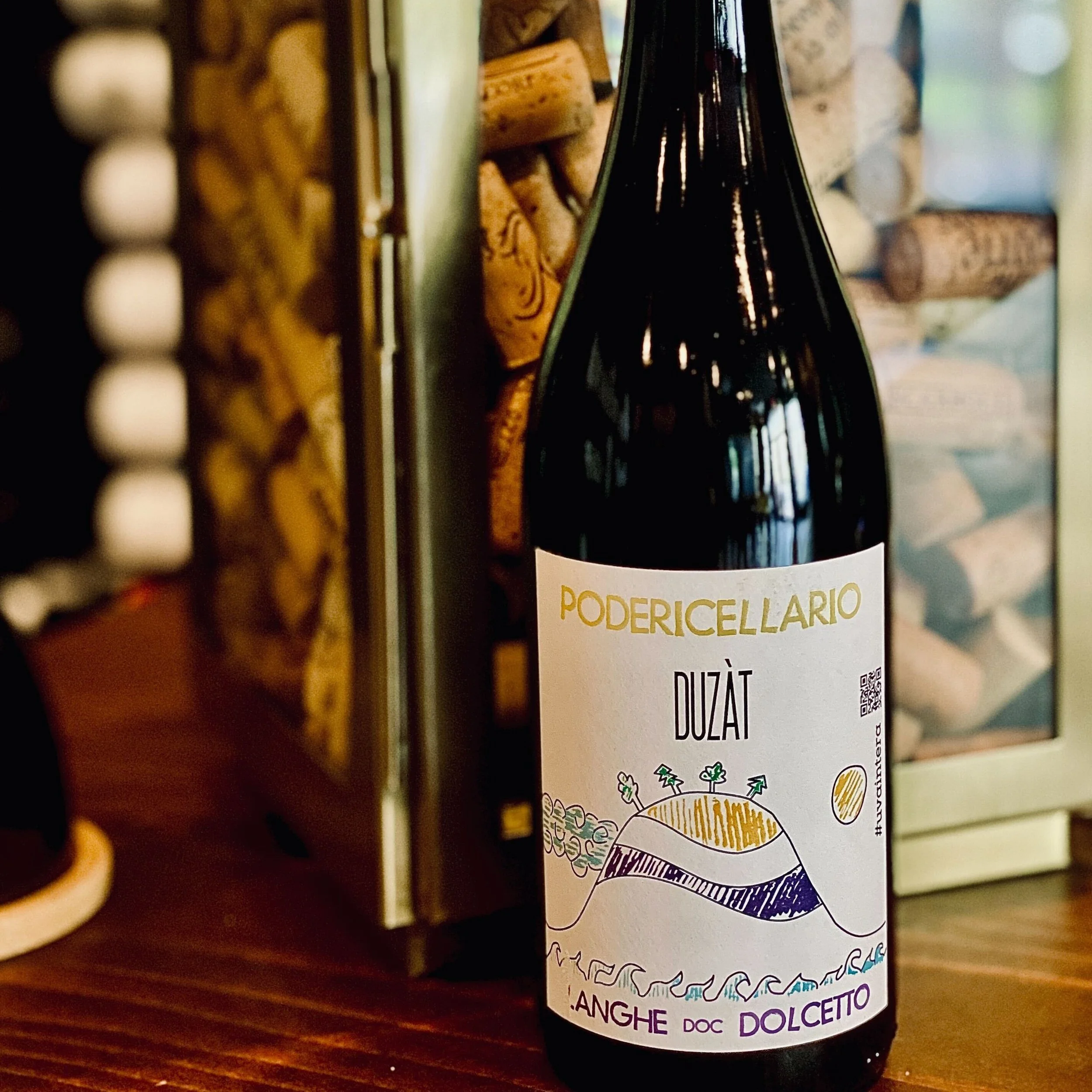
PoderiCellario “Duzat”
100% Dolcetto. Hand-harvested into small bins. Spontaneous fermentation with 4 to 8 days maceration. Aged in stainless steel for 7 months and bottle for 3 months. Bottled with minimal sulphur (~10ppm) and without filtering or fining.
Fausto and Cinzia Cellario are 3rd generation winemakers in the village of Carru` on the western outskirts of the Langhe. The family believes in only working with local, indigenous Piemontese grape varieties and fiercely defends local winemaking traditions both in the vineyard work and the cellar practices. The Cellario vineyard holdings cover some 30 ha between 5 different vineyard sites covering the southern Langhe. With holdings in Novello and Monforte, the Dogliani plot is arguably the family’s most prestigious land and I would consider them Dolcetto specialists. Vineyard work is organic (soon to be certified) and all the fermentation take place with indigenous yeasts. Sulfur is only added in tiny quantities at bottling if necessary (a practice not common with a winery in this mid-size range).
Bottle: $25 | Glass: $11
Tissot Singulier
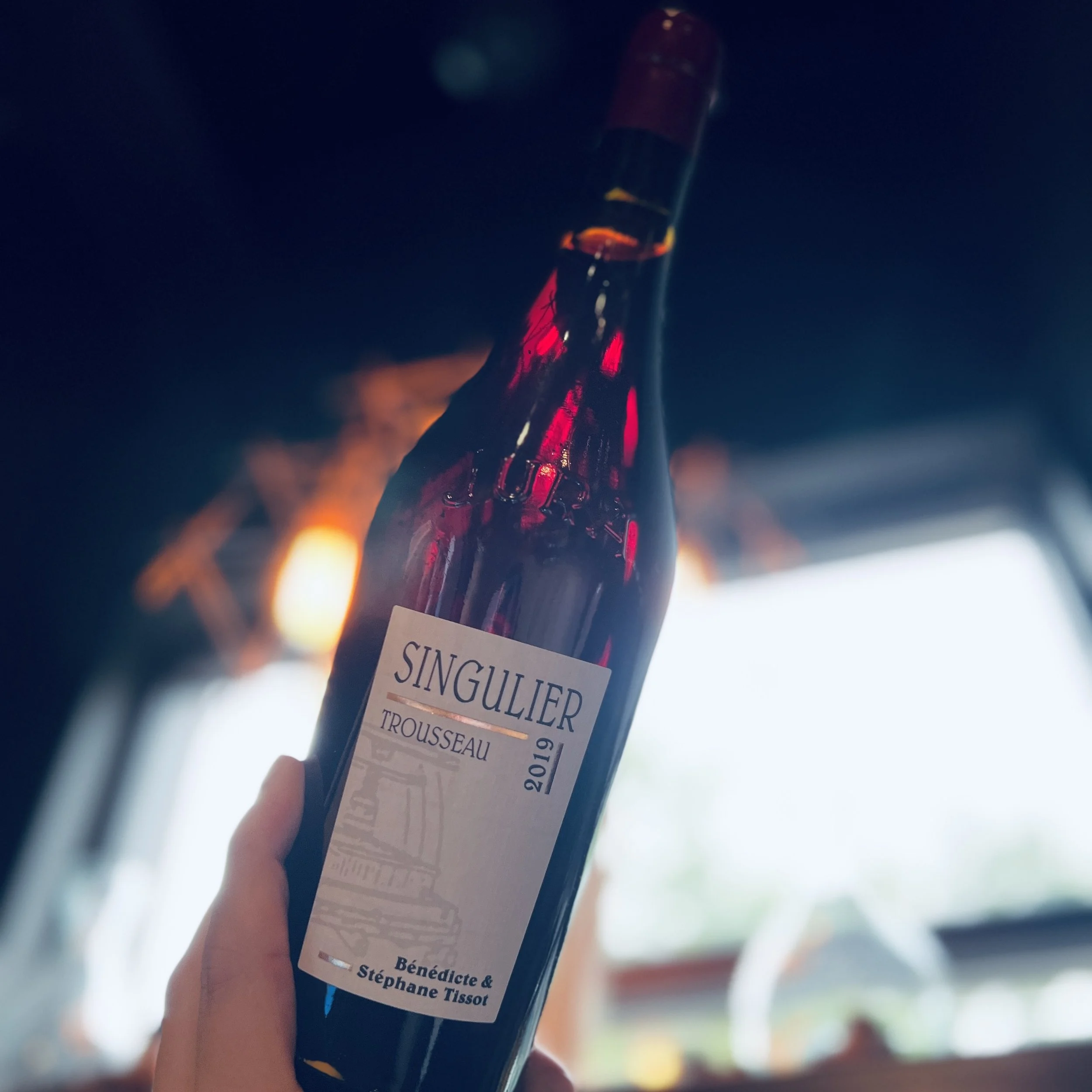
Bénédicte et Stéphane Tissot are a powerhouse winemaking couple based out of Arbois in the Jura region. Their perspective plays vital to the style of their wine. They favor natural wines as opposed to industrial ones, and wines that show off nature’s gifts versus winemaking. Their wines have been certified biodynamic by Demeter. Many of Jura’s wines go for an oxidative style; their wines are not this. They prefer a reductive style, the opposite of the local style. Their love is shown by their passion and their drive to make several different wines.
Considered by many to be restlessly innovative, Stephane takes a classic Jura variety, Trousseau, and allows the fruit to macerate for three months in amphora clay jars. Clay allows wine to oxidize more while it ages, as opposed to steel or traditional barrels. Due to the nature of these regional oxidative practices, the use of clay certainly makes sense.
Bottle: $65 | Glass: $28
Semaphore 7
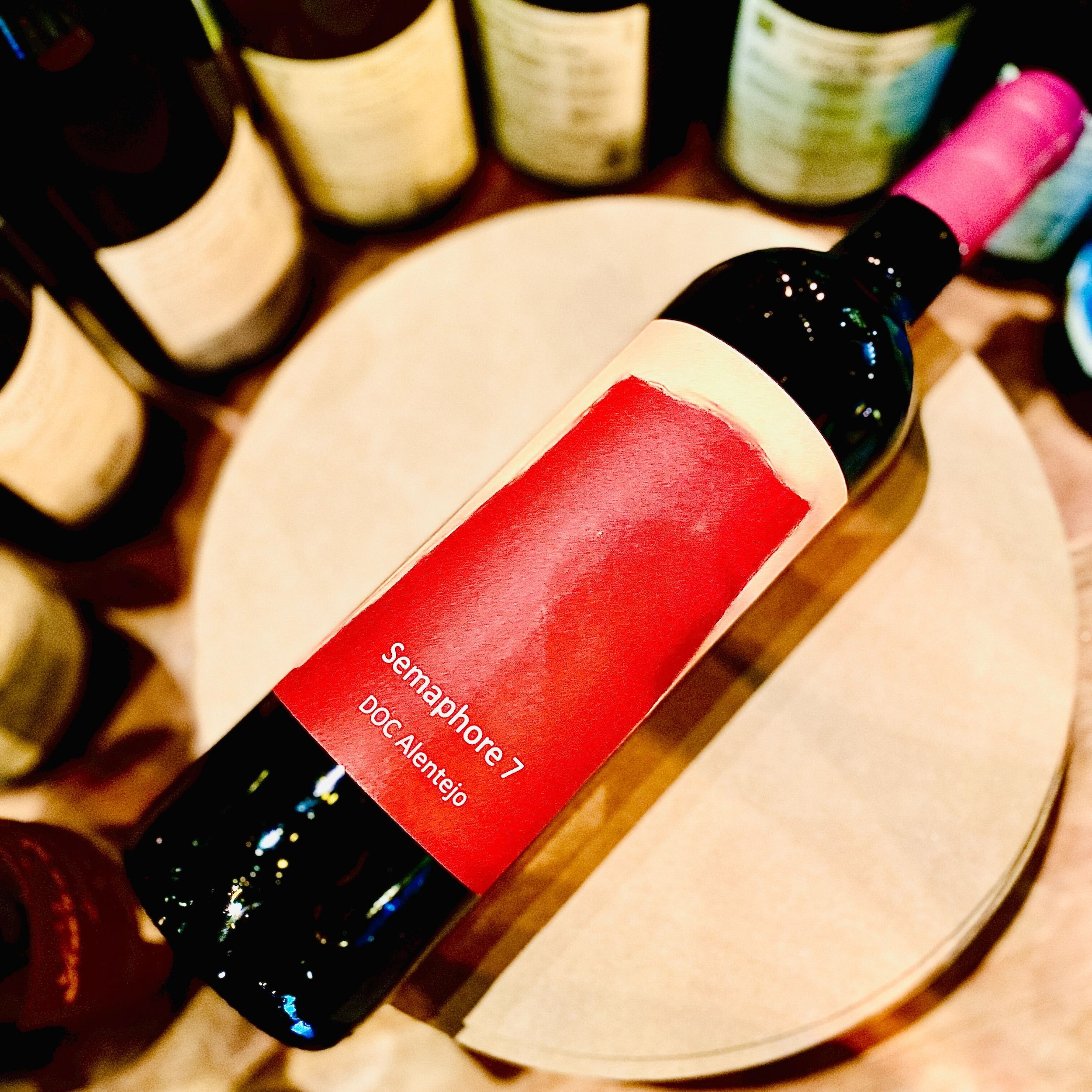
Alicante Bouschet, Tinto Aragones, Trincadeira. 100% Estate Grown. Hand Harvested. Sustainable. Aged 3 months in American oak.
Semaphore 7 is made in the Alentejo region of Portugal. South of Evora, Vidigueira marks the dividing point of the Upper (Alto) and Lower (Baixo) Alentejo. The proximity to the Atlantic Ocean and the cold air descending from the Serra de Portel allow for a longer ripening of the grapes and contributes to the reputation of the vineyards for its red indigenous blends. The soils are rich in limestone, schist and granite and the land is divided between vineyards, cork forests and areas used for the breeding and conservation of native species. Winemaker, José Piteira has been working in the region for more than 25 years. Born and raised in Alentejo, wine was always his passion.
Bottle: $15 | Glass: $7
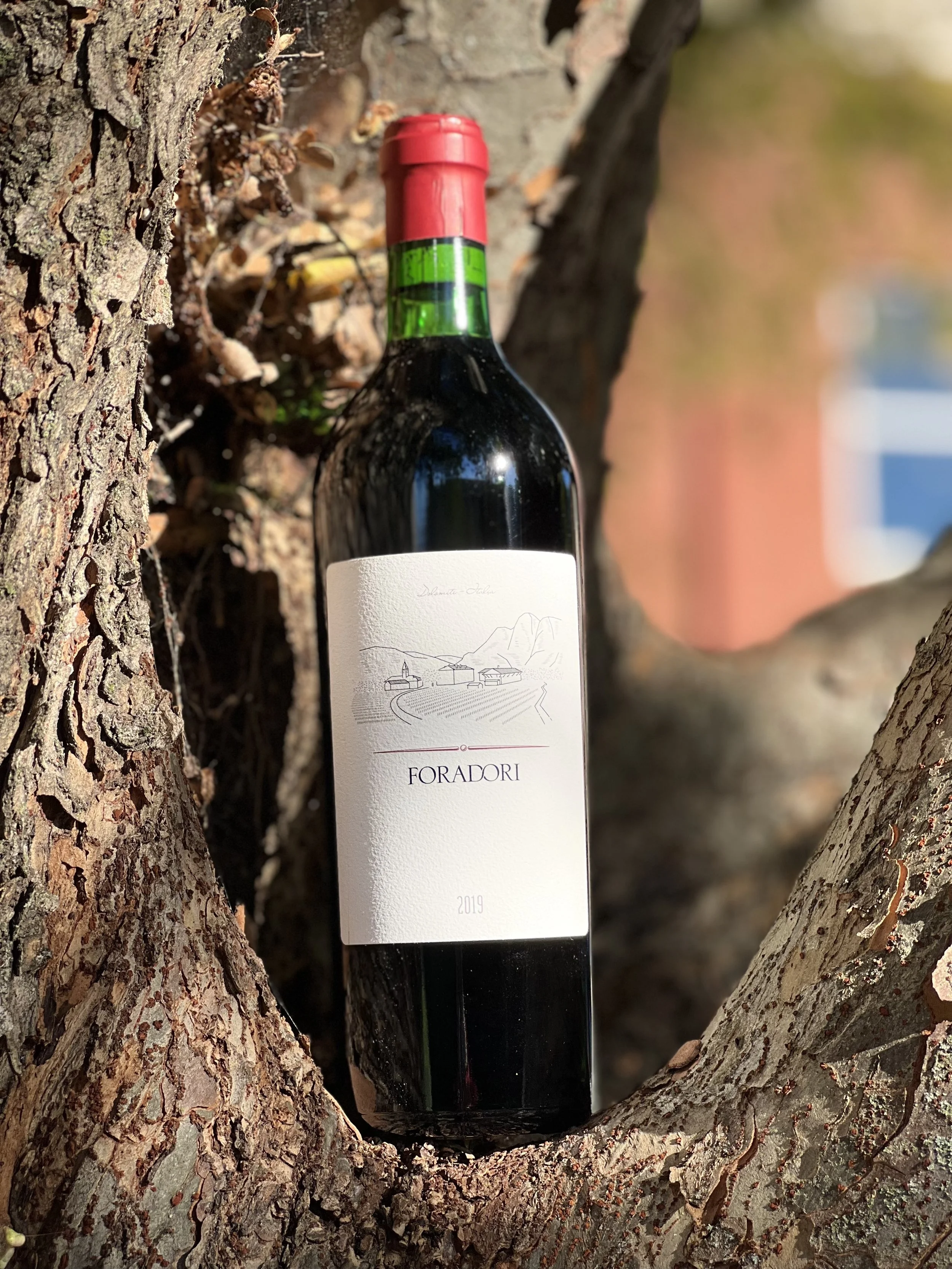
Foradori
100% Teroldego. The Campo Rotaliano (Tuscany, Italy) is a well-demarcated geographical area, a sort of indentation of the Valle dell’Adige, wedged between the mountains. Its history and formation are linked to the Noce River, which for centuries has carried limestone, granite and porphyritic debris. Within this small plain, depending on the basic soil content, it is possible to differentiate micro zones that have been given different names by the winemakers.
It is through gathering together the grapes of some of these micro zones, characterized by predominantly sandy soils and with different quality requirements that the “Foradori” is born. Fermentation and fining: Cement tanks, 12 months in barrel and cement
At the helm today, a fourth generation of winemakers run Foradori’s activities. Today their children Emilio, Theo and Myrtha Zierock continue in their footsteps to run the winery.
Bottle: $37 | Glass: $16