
HAPPY ST. PATTY’S DAY!
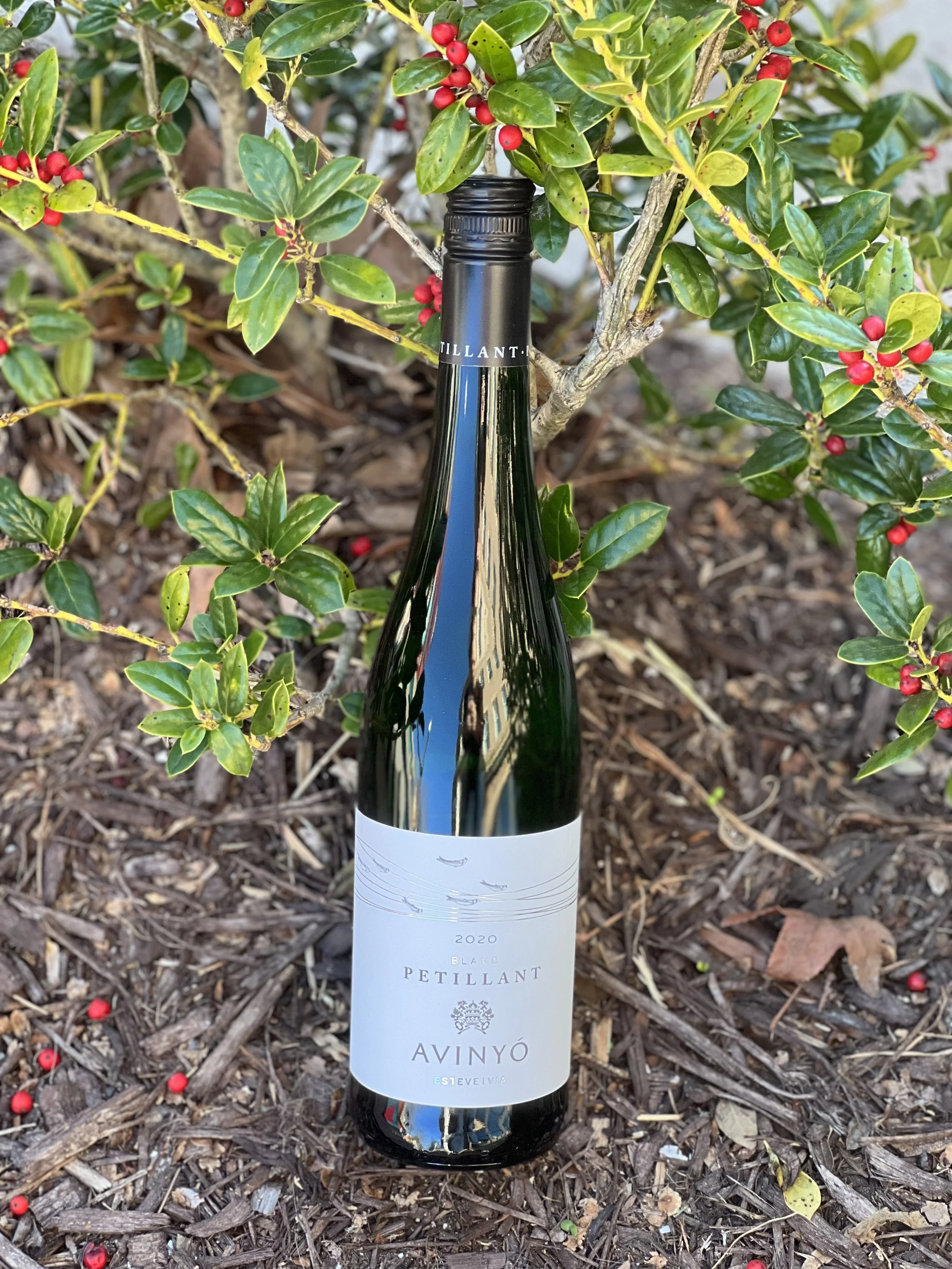
Avinyó
the place
Penedes, Spain
the grapes
70% Muscat de Frontignan / 20% Macabeo / 10% Xarel-lo
the process
After a nighttime harvest, the grapes are very gently pressed in a pneumatic press. The alcoholic fermentation occurs with indigenous yeasts in temperature-controlled stainless steel tanks between 14°C and 16°C. The wine is then cold stabilized before the beginning of secondary fermentation in stainless steel tanks with the addition of native yeast and raw cane sugar. The wine is bottled in all its freshness in January.
the price
Bottle: $18 | Glass: $8
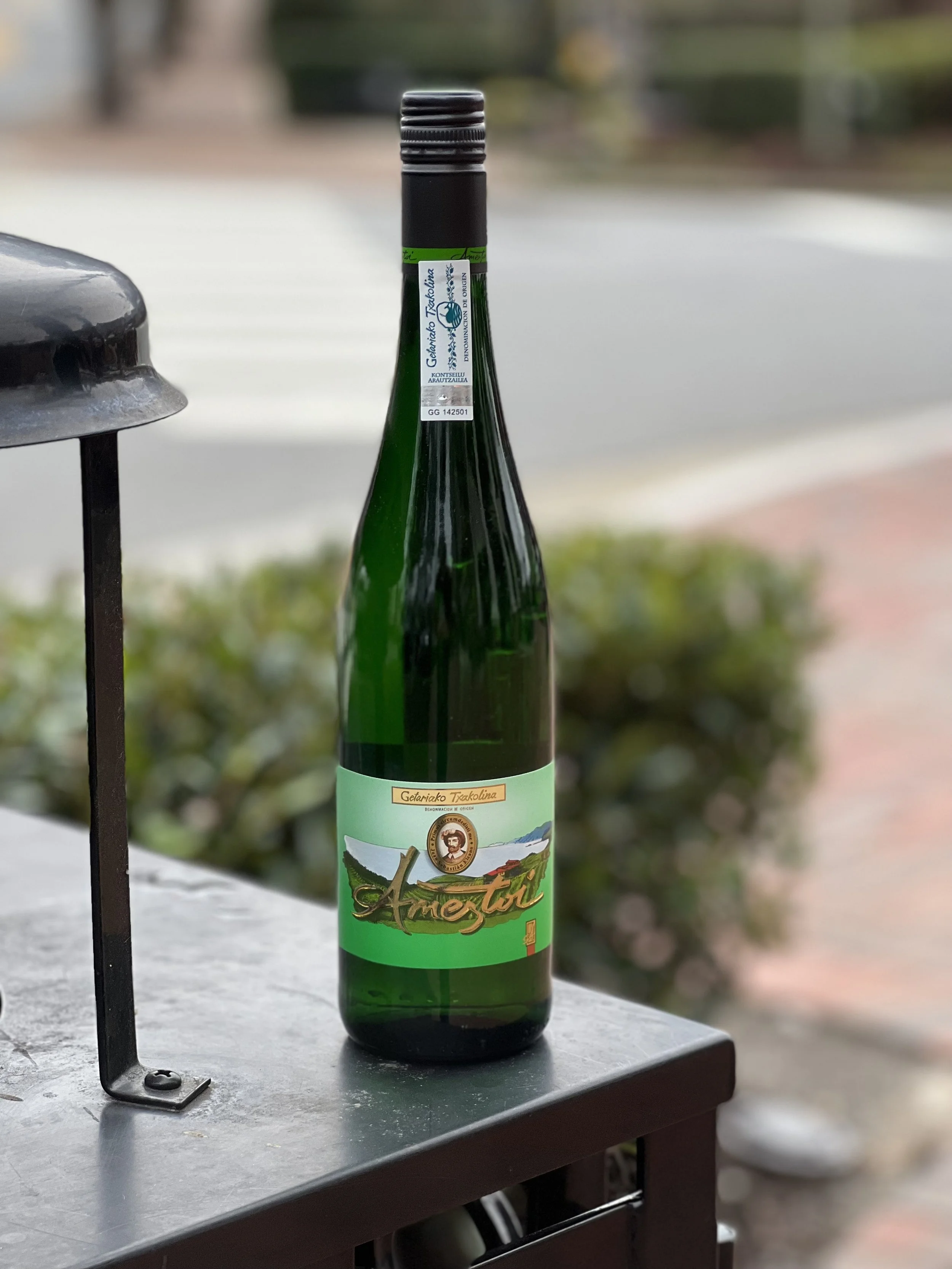
Getariako Txakolina Ameztoi
the place
Getaria, Spain
the grapes
Hondarribi Zuri
the process
Ameztoi Txakolina is traditionally crafted with high acidity and low alcohol, utilizing only the native hondarrabi zuri variety. After hand harvesting, the must ferments in refrigerated stainless steel tanks using indigenous yeasts from the vineyard. Towards the end of alcoholic fermentation, the tanks are closed to preserve the natural carbonation from fermentation, which is the preferred style of Getaria. The tanks are then kept chilled to near freezing before bottling, which preserves the wine’s delicate, effervescent character and signature mousse. These attributes are unattainable through shortcuts such as force-carbonation, which Ameztoi has never employed.
the price
Bottle: $25 | Glass: $11
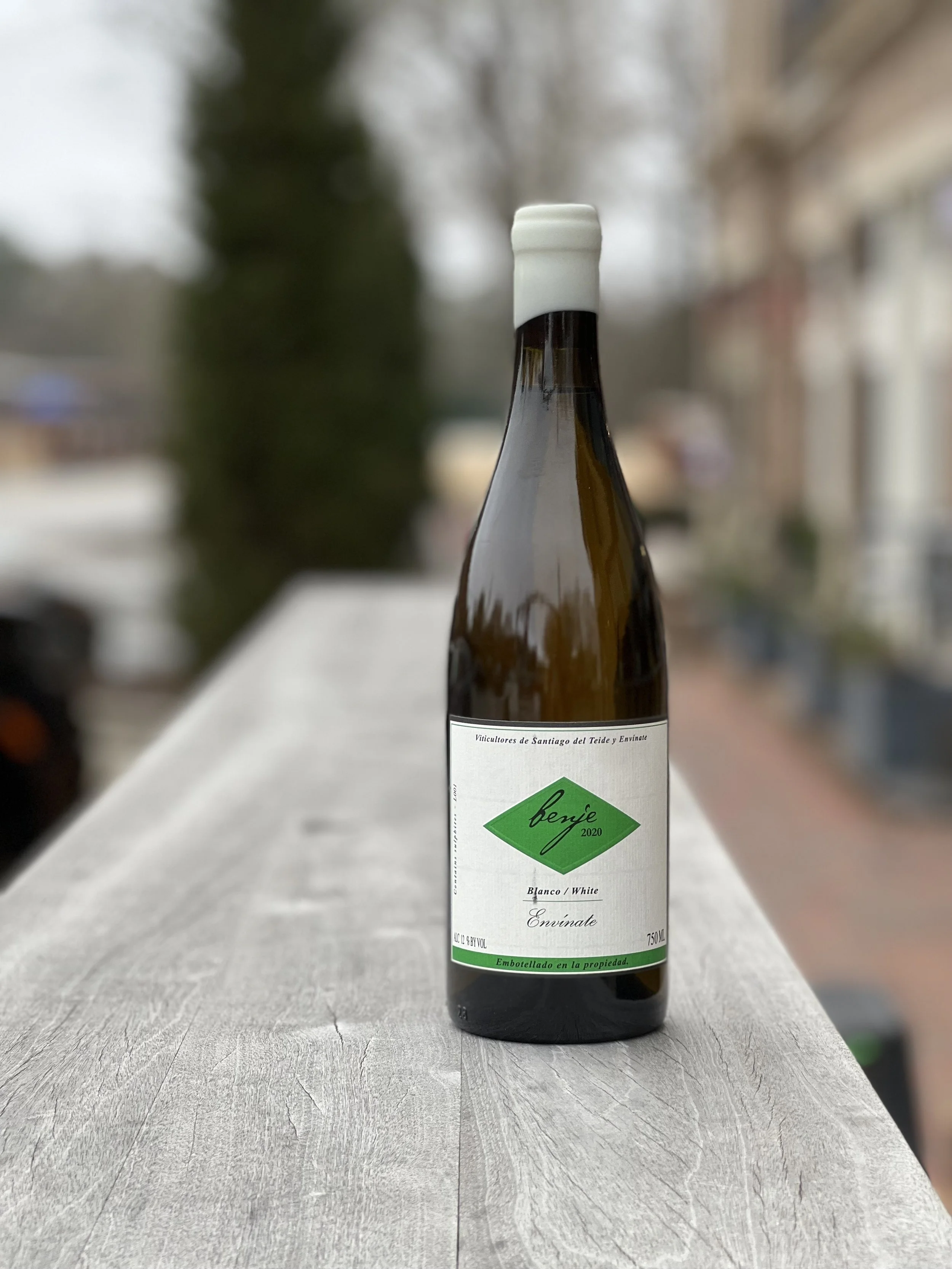
Envínate Benje Blanco
the place
Canary Islands, Spain
the grapes
Listan Blanco
about the winery
Benje Blanco is sourced from several old-vine, untrained pie franco parcels of Listan Blanco. Each parcel is hand-harvested and vinified separately in a mix of concrete tank and open tubs. 85% of the fruit is pressed directly off the skins, the other 15% is skinmacerated for 6 days below 23C. The wine is then fermented and raised 70% in concrete under flor and 30% in 228L & 600L old French barrels for 8 months on fine lees without battonage. The finished wine is blended and bottled without filtration, clarified using natural vegetable proteins, and minimal SO2 added. Benje Blanco is a high-toned white wine, showing its volcanic terruño with smoky notes wrapped around the orchard fruit core, braced by Atlantic-infused high-elevation acidity. Pair it with prawns, scallops, roasted pork or goat.
the price
Bottle: $39 | Glass: $17
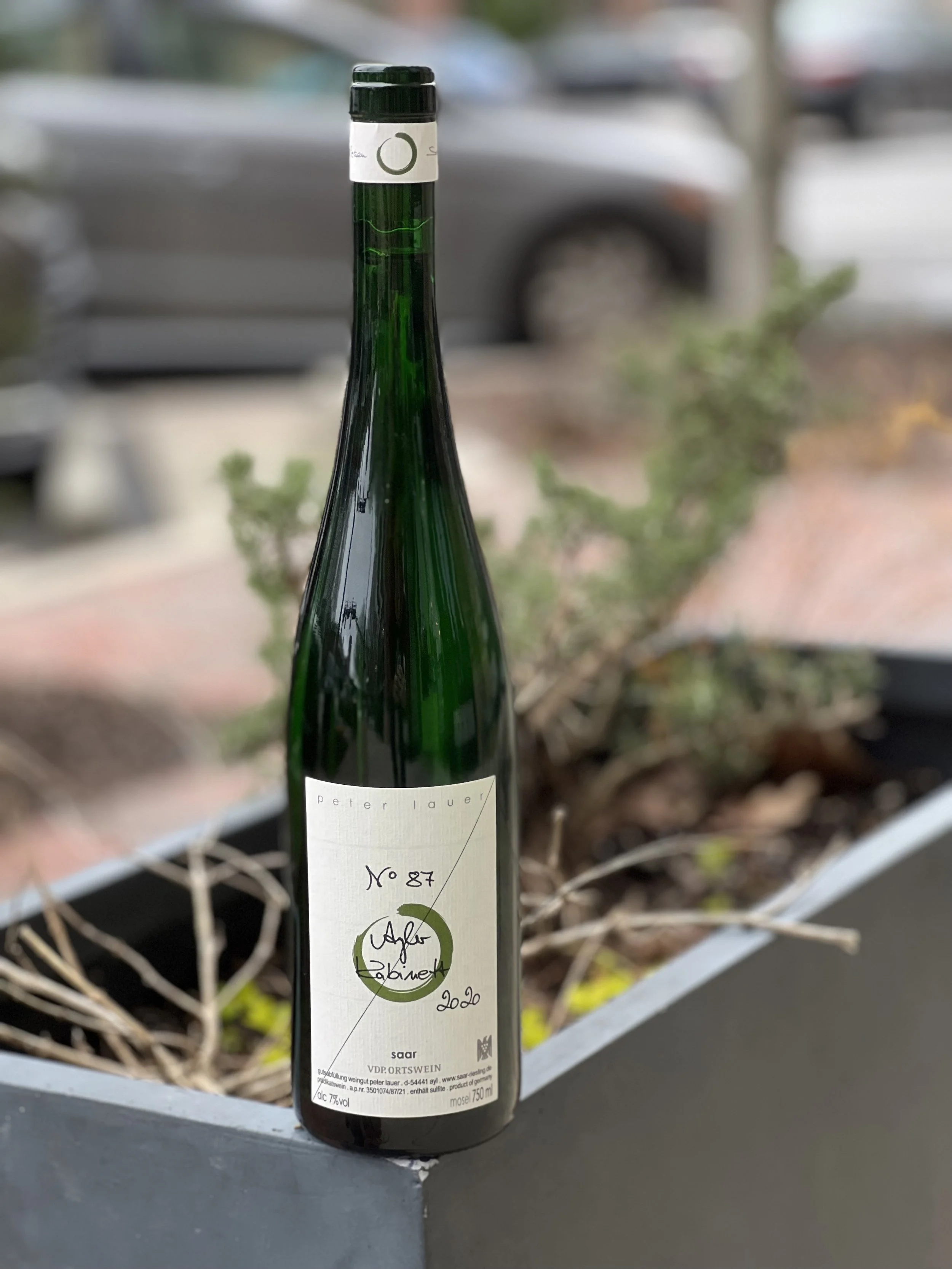
Peter Lauer Ayler Kabinett Fass No. 87
the place
Mosel, Germany
the grapes
100% Riesling
the process
The style at Lauer is 180 degrees from his famous Saar neighbors, Egon Müller and Hanno Zilliken – the focus is on dry and off-dry Rieslings as opposed to the residual sugar (Kabinett, Spätlese, Auslese) wines of the latter two. Yet the hallmarks are similar: purity, precision, rigor, mineral. While the great majority of wines are sourced from the solid hillside of the Ayler Kupp, this single mountain is really an intricate tapestry of parcels and sub-parcels. Lauer bottles based on “fass”, or cask, numbers that are often aligned with the names of pre-1971 vineyard names. However, one shouldn’t take the fass numbers too seriously; they are based on the parcels that historically went into these fass and the style of wine they most often produced. One example, “Fass 6 – Senior” is based on a selection that Florian’s grandfather made every year for his personal consumption. On this barrel, he would write “Senior.” According to Florian, nine times out of ten, his grandfather would pick Fass 6, which held wine sourced from the western-most region of the Kupp. Thus, today, the wine from this parcel is called “Fass 6 – Senior.”
the price
Bottle: $38 | Glass: $17