
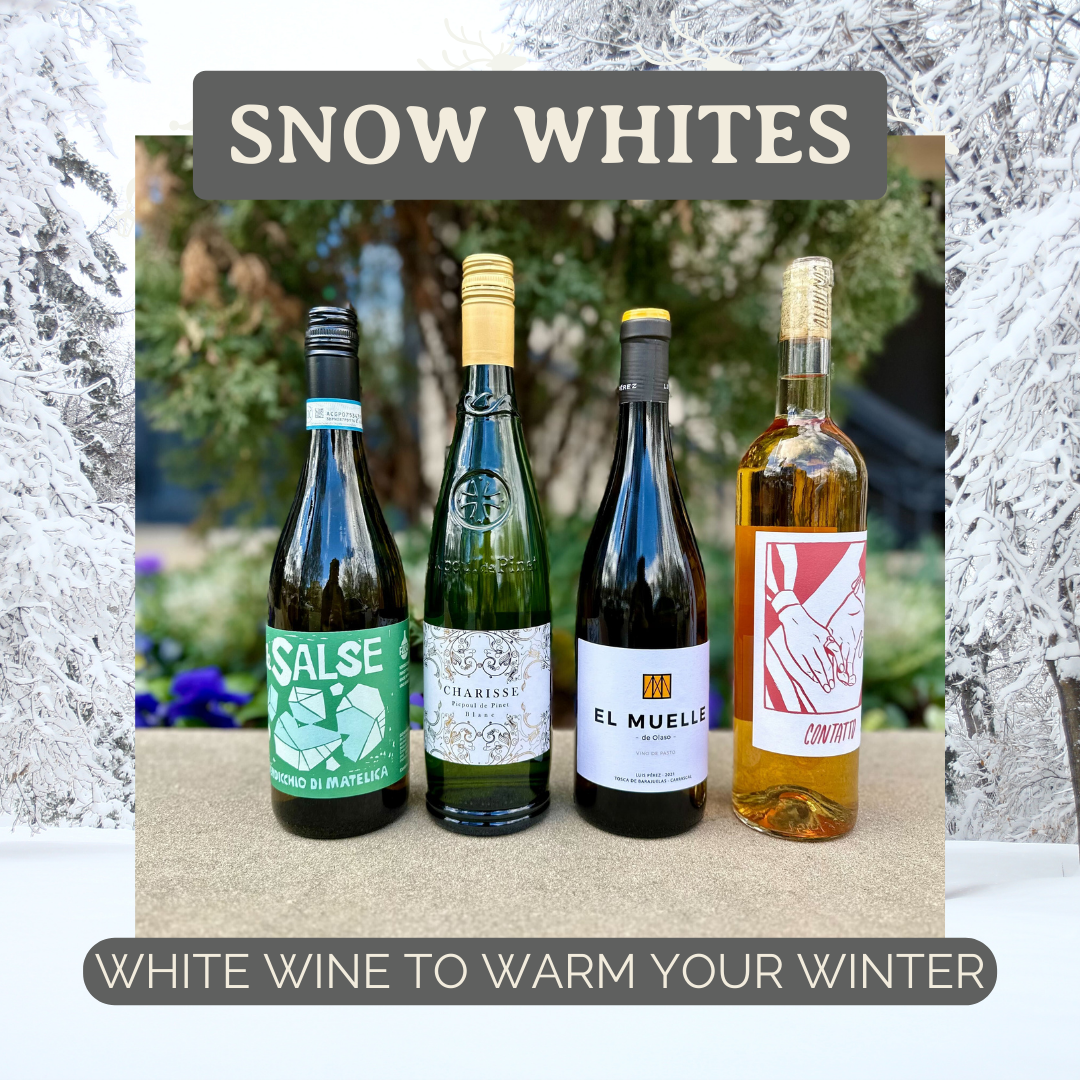
Snow Whites
White wine doesn’t have to just be for warm weather! Try two delicate yet memorable white varietals along with two orange (amber) wines that are- believe it or not- made from white grapes using extended skin-contact.
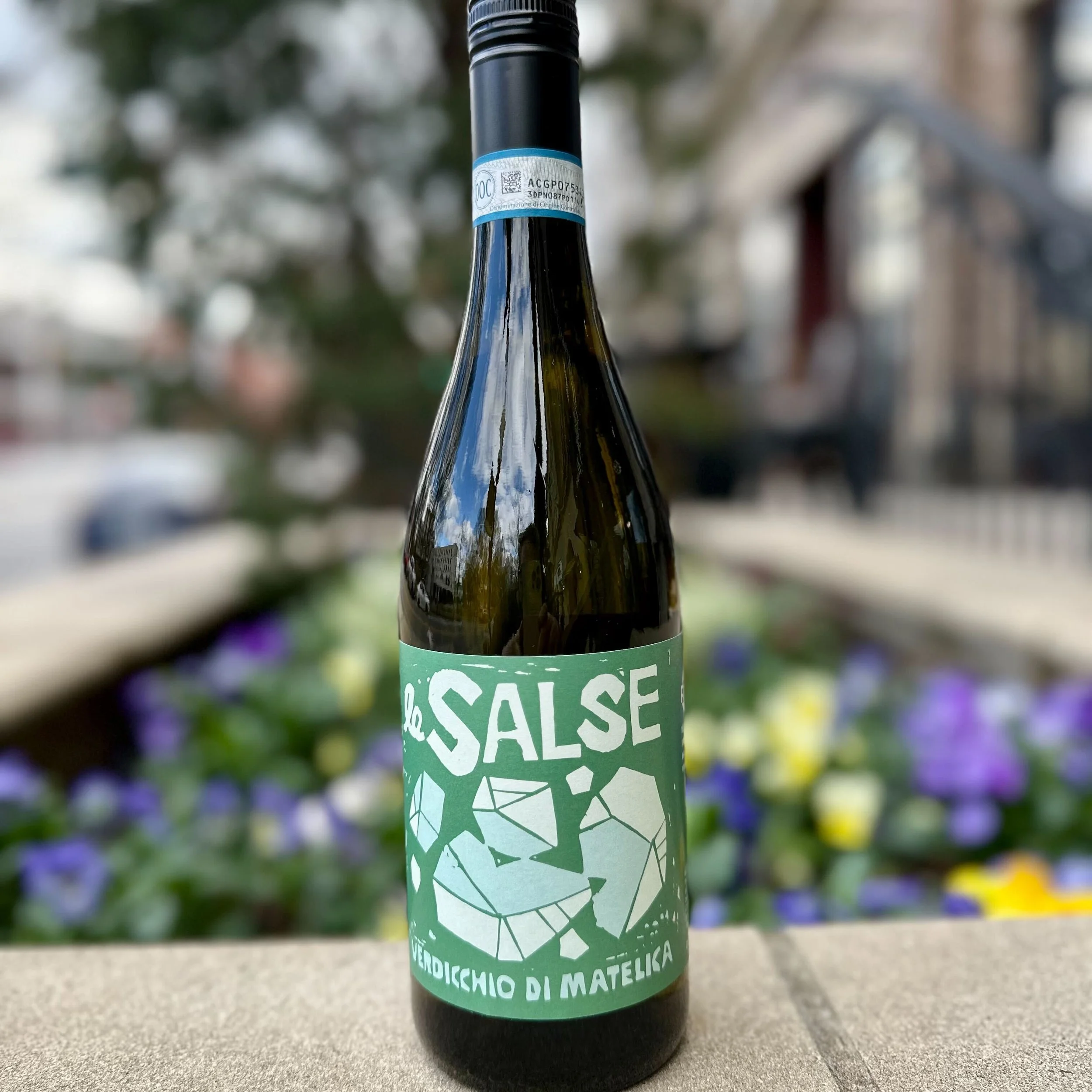
Le Salse ‘Di Matelica’
Grape: 100% Verdicchio
Place: Le Marche - Italy
Process: These grapes are organically grown in loose soil composed of limestone and clay. The vines sit at 28 years old atop an elevation of 450m (1,475ft). Fermentation takes place with native yeasts selected from the vineyard and cellar with a pied du cuve starter. The wine takes 20 days of fermentation and then extended elevage in stainless steel tanks.
Family: Le Salse or ‘salt springs’ are found underground throughout the town of Matelica in the central-Italian region of Le Marche. It’s a great name for a wine that combines salt and mineral elements with the brisk acidity of tangerine, lemon zest and green apple.
Our friends at the high quality cooperative Belisario make this certified organic bottling for us from their high altitude vineyards in the Alta Elsina valley at 450 meters.
This is a thirst-quenching wine with terroir that we’re super happy to have in FUSO portfolio. It expresses the Verdicchio variety, with a tweak more of acidity from the inland high valley of the Matelica growing area.
It’s probably one of the most versatile white wines not only in the FUSO lineup but in the whole PortoVino portfolio!
Bottle: $21 | Glass: $9
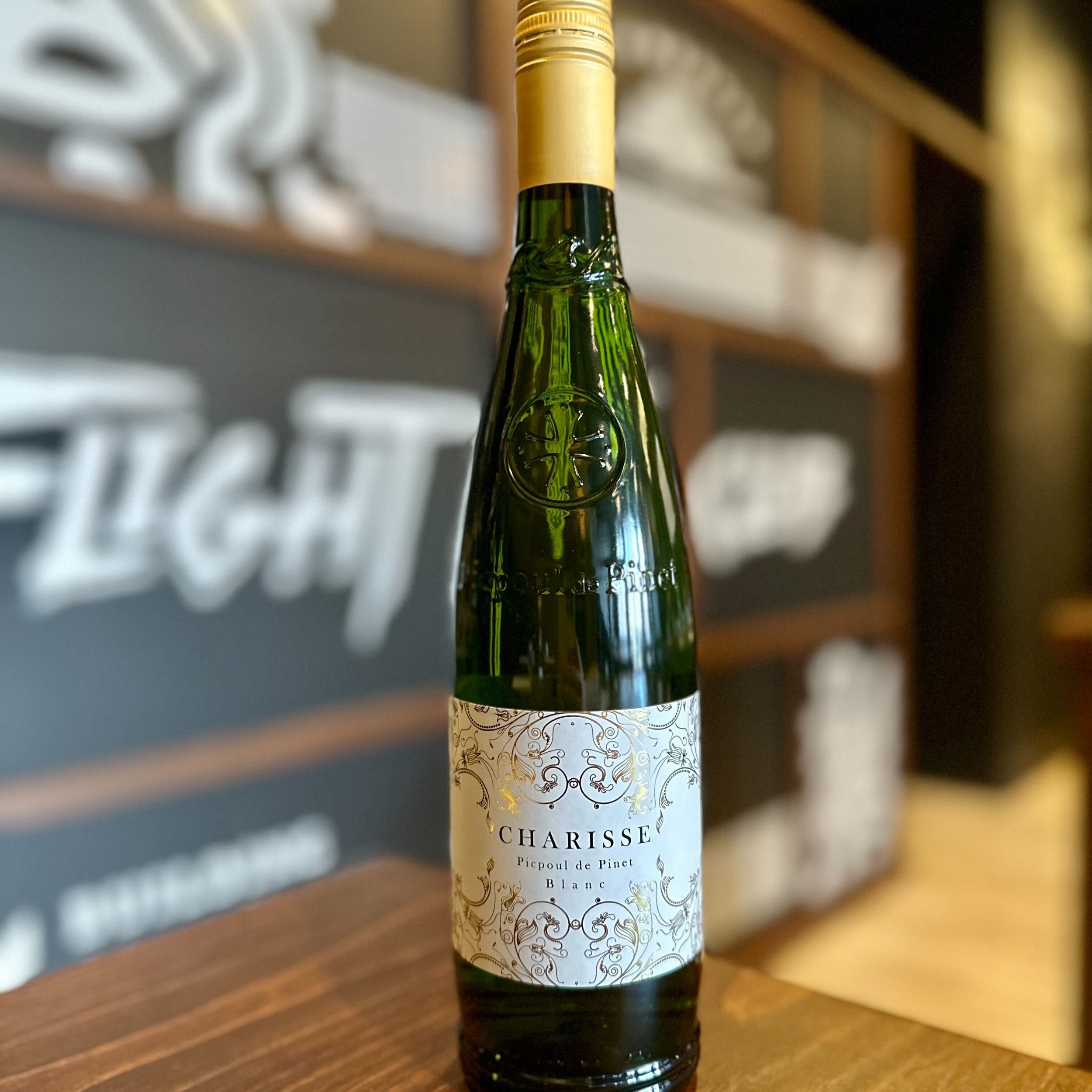
Charisse “Picpoul de pinot Blanc”
Grapes: 100% Picpoul
Place: Languedoc-Rousillon, Pinet - France
Process: While the Languedoc is generally one of the warmer regions in France, the Picpoul de Pinet appellation benefits from a variety of cooling effects that make the resulting wines so wonderfully crisp and high-acid. It is right on the border of a saltwater lake, the Étang de Thau, which feeds right into the Mediterranean sea beyond. The grapes benefit from cooling breezes throughout the year and while they do get quite a lot of sunshine, the proximity to the water helps to cool the ground and keep the wines fresh. This wine is unbaked and fermented in stainless steel.
Family: The Allies family has grown vines for several generations in Pomerols, along the northern edge of the Bassin de Thau.
This large inland sea, on the southern part of the Pinet appellation, has a microclimate significantly influenced by cooling sea breezes, which accounts for the particular expression of freshness in these whites.
The soils are composed of clay and limestone.
Bottle: $21 | Glass: $9
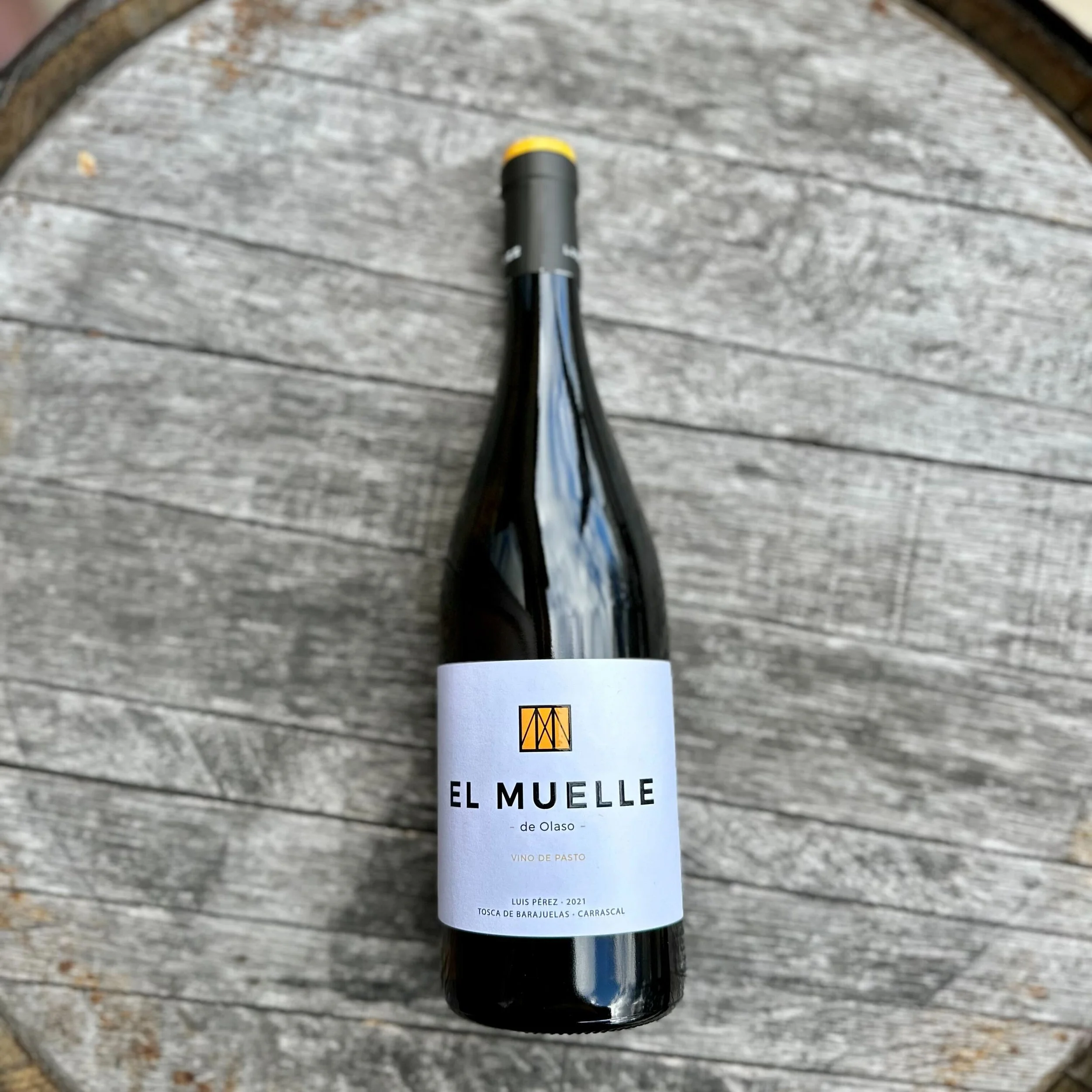
El Muelle “de Olaso”
Grape: Palomino Fino, Pedro Ximenez, Mantuo, Vijiriega
Place: Cádiz - Spain
Process: This unique soil is composed of Albariza (Barajuela). The vines are placed at an altitude of 60-110m. All of the grapes are harvested by hand and fermentation uses native yeasts. After fermentation the wine spends 3-4 months under flor in tank and a few older Fino Botas, vegan.
Family: El Muella de Olaso comes from the El Corregidor estate vineyard, where Palomino Fino, Pedro Ximénez, Mantuo & Vijiriega are harvested at night to preserve freshness and prevent oxidation. It is made in the traditional 19th century Vino de Pasto style and sees only a few months of aging under flor. The claim that Palomino and PX are neutral-flavor grapes is proven wrong with El Muelle – a wine with citrussy and tropical fruit flavors, lively chalky minerality, and a touch of herbal tanginess from its short contact with flor. Perhaps Palomino’s reputation could be re-evaluated if more growers in the region were trying as hard as Willy Peréz. Luckily, there’s a growing movement to rescue Vino de Pasto from the history books and re-enshrine it back into the DO.
Bottle: $27 | Glass: $12
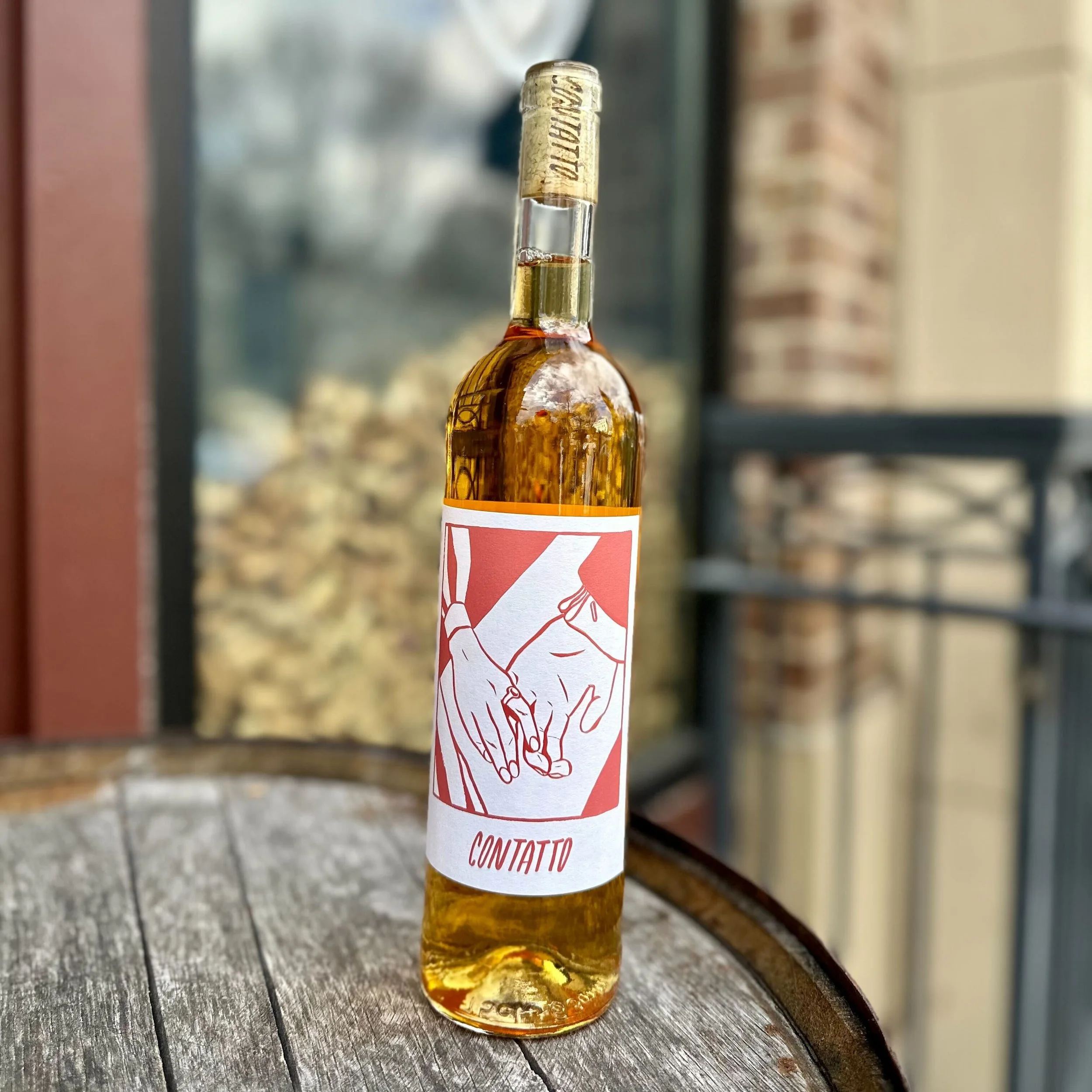
Casal de Ventozela ‘Contatto’
Grapes: 100% Avesso
Place: Vihno Verde - Portugal
Process: Hand picked, de-stemmed, fermentation in 5,000L tanks, on the skins, for about 2 weeks. Left to settle for another 2 weeks then pressed into tank for 3 months on lees, with occasional battonage. Lightly fined and filtered. Minimal SO2.
Family: Casal de Ventozela consists of 45 hectares of sustainably farmed vineyards in the heart of the Vinho Verde region. The vines are located in two sub-regions: Vale do Ave and Vale do Covado. The estate is a family run business, with a strong focus on the environment and a genuine passion for wine and nature. Ventozela has a noble history dating back to 1874. A century later, it was acquired by the current director of the company, Jose Ferrera Cortinhas, who was responsible for resurrecting the estate following the April 25 revolution in 1974. The winery first started selling its grapes and in 2008, its first wines were bottled.
Bottle: $23 | Glass: $10