
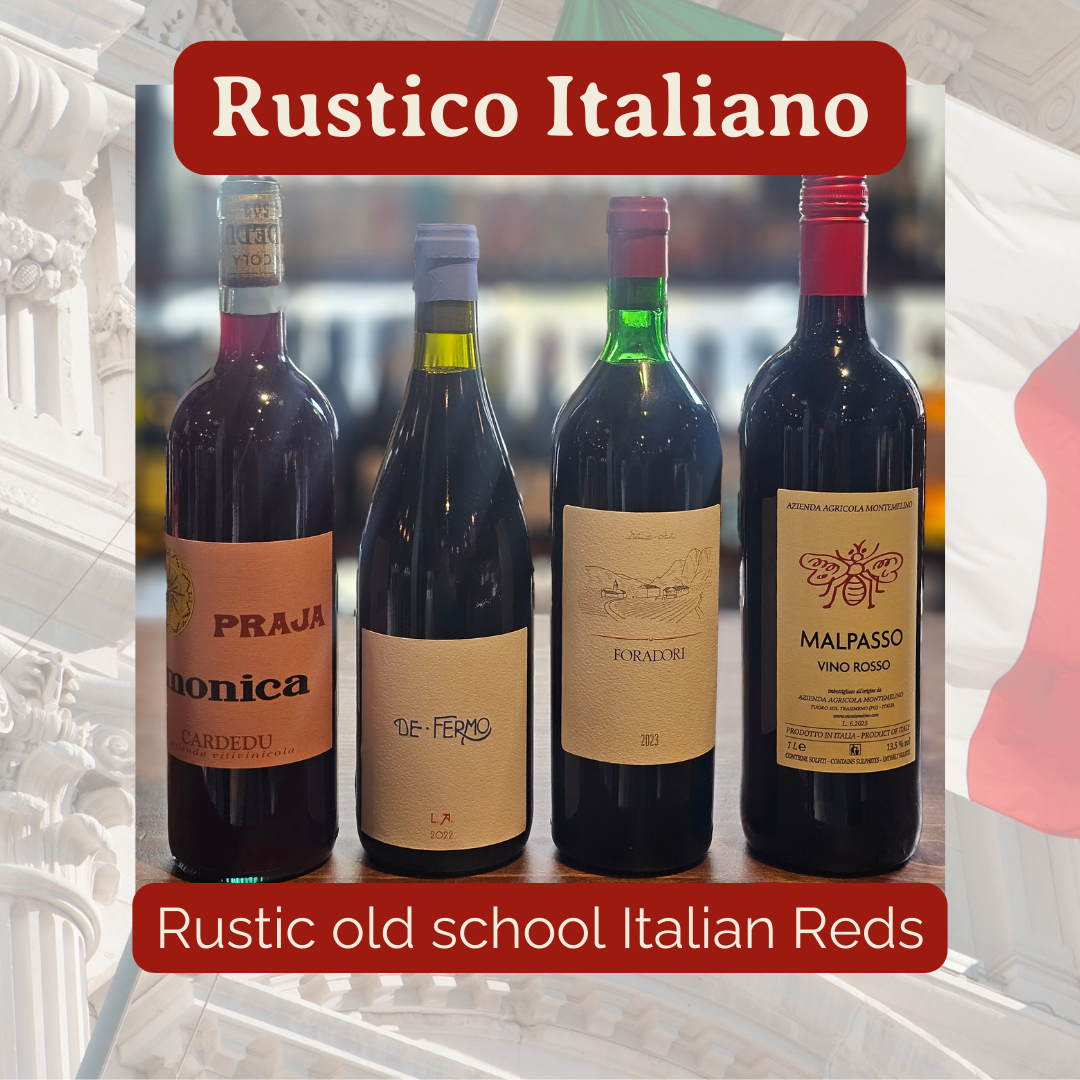
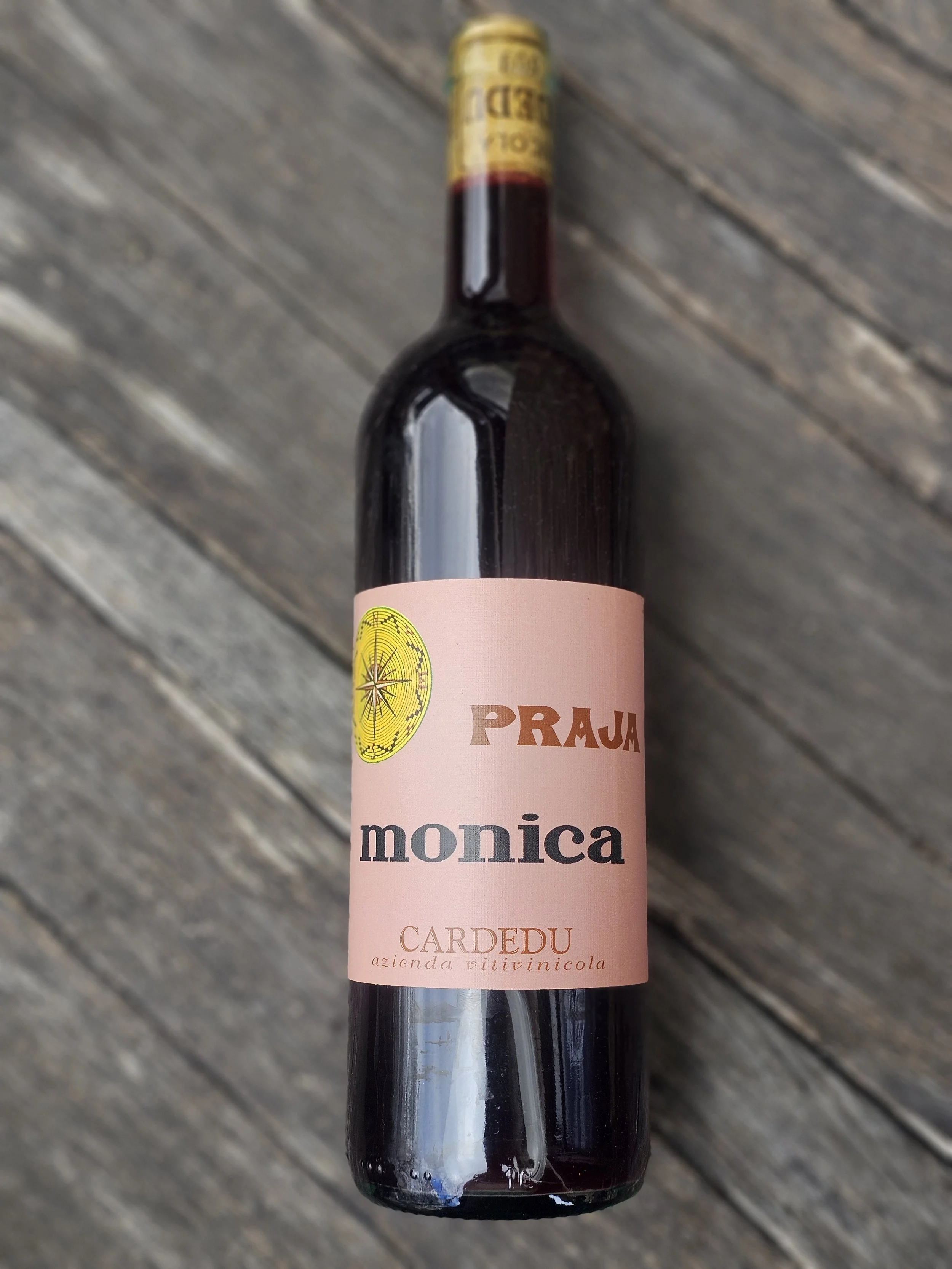
Cardedu ‘Praja‘
Grapes: 100% Monica
Place: Sardegna, Italy
Process: The grapes are hand-picked in small red baskets. They reproduce the ancient foot-pressing system: only half the grapes are pressed, while the rest are simply separated from the stems, leaving the berries intact. This allows allows for the fragrance of the ancient flavors, with less aggressive tannins. This wine is obtained from spontaneous fermentation using only indigenous yeasts, unclarified and unfiltered, and aged in cement.
Family: Fausto and Cinzia Cellario are 3rd generation winemakers in the village of Carru` on the western outskirts of the Langhe. The family believes in only working with local, indigenous Piemontese grape varieties and fiercely defends local winemaking traditions both in the vineyard work and the cellar practices. The Cellario vineyard holdings cover some 30 ha between 5 different vineyard sites covering the southern Langhe. With holdings in Novello and Monforte, the Dogliani plot is arguably the family’s most prestigious land and I would consider them Dolcetto specialists. Vineyard work is organic (soon to be certified) and all the fermentation take place with indigenous yeasts. Sulfur is only added in tiny quantities at bottling if necessary (a practice not common with a winery in this mid-size range).
Bottle: $27 | Glass: $12
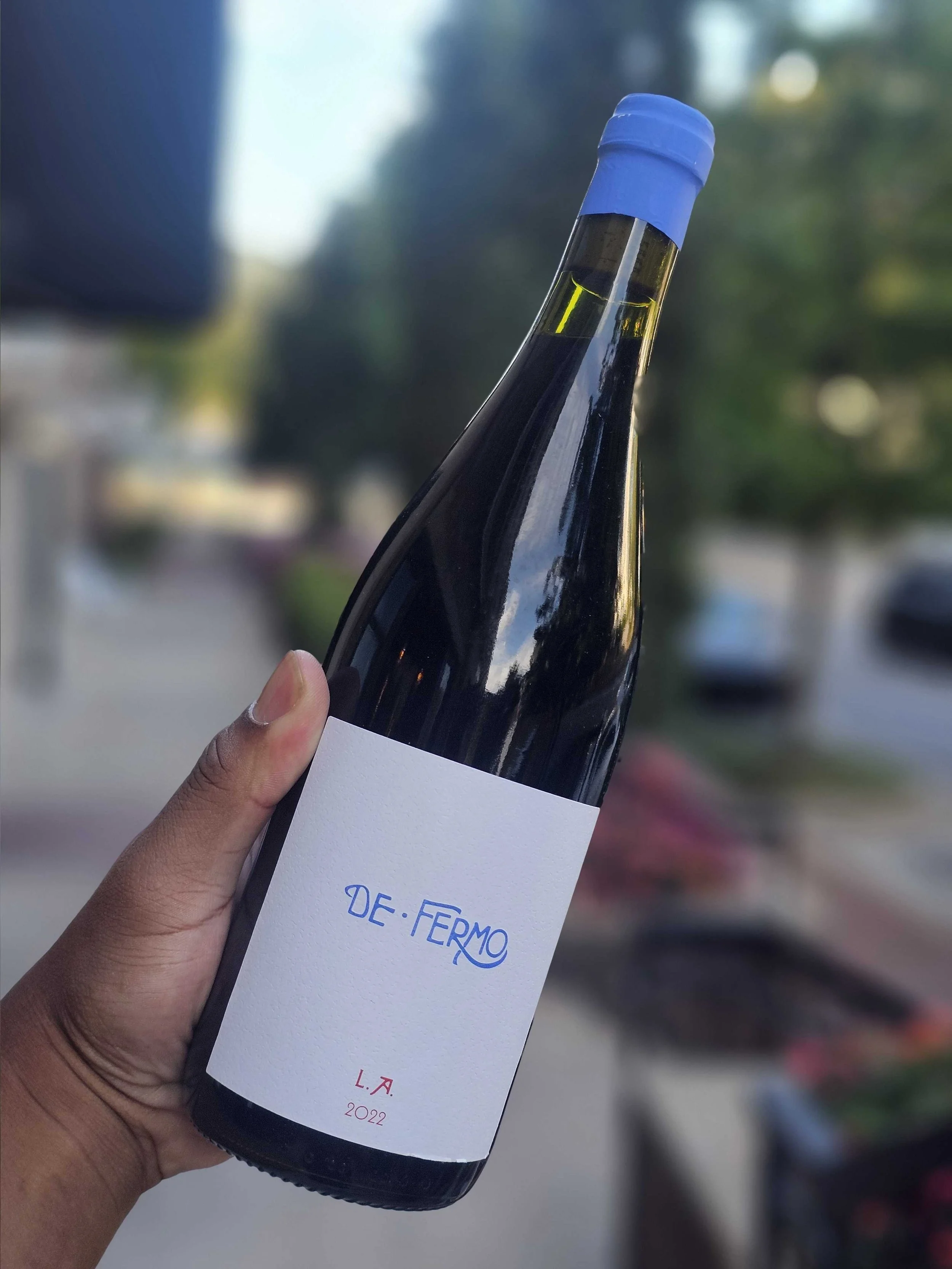
De Fermo ‘Concrete‘
Vino Rosso
Grapes: 100% Montepulciano
Place: Abruzzo, Italy
Process: Natural winemaking techniques with VERY minimal intervention. Their fruit is spontaneously fermented, and sulfur dioxide usage is kept to a minimum. Various aging vessels are used — Stockinger botti, Garbelotto tonneaux, and concrete — all in order to provide textural harmony in the wine. Afterwards, their wine is bottled gently without filteration.
Family: A wine obsessive since childhood, Stefano Papetti Ceroni met his future wife Eloisa de Fermo at law school in Bologna. They bonded over a shared passion for wine, but it wasn’t until almost a decade after they fell in love that Eloisa took Stefano to her family’s farm in Abruzzo’s Pescara hills—a farm that had been in her family for 250 years but to which she had never paid much mind up to that point in her life.
Stunned by the property’s rich history—church documents show the existence of viticulture there as early as the 9th century—Stefano felt drawn to the land, spending many weekends there absorbing knowledge from the team who ran the farm and its vineyards. A seed began to germinate in Stefano’s and Eloisa’s minds, and, feeling the siren song of this remarkable Apennine terroir, they dedicated themselves to transforming De Fermo into a bona fide winery, bottling their first vintage in 2010.
The couple immediately set out to return to pre-chemical methods in De Fermo’s vineyards, adopting biodynamics in 2008 and becoming certified a few years later. The farm itself encompasses nearly 200 hectares, with 17 hectares of grapevines, 20 hectares of olive trees, and large swaths dedicated to vegetables, legumes, herbs, and grazing land for cows; Stefano and Eloisa understand that this biodiversity is a key ingredient in the quality of their wines and work always to nurture it.
Bottle: $35 | Glass: $15
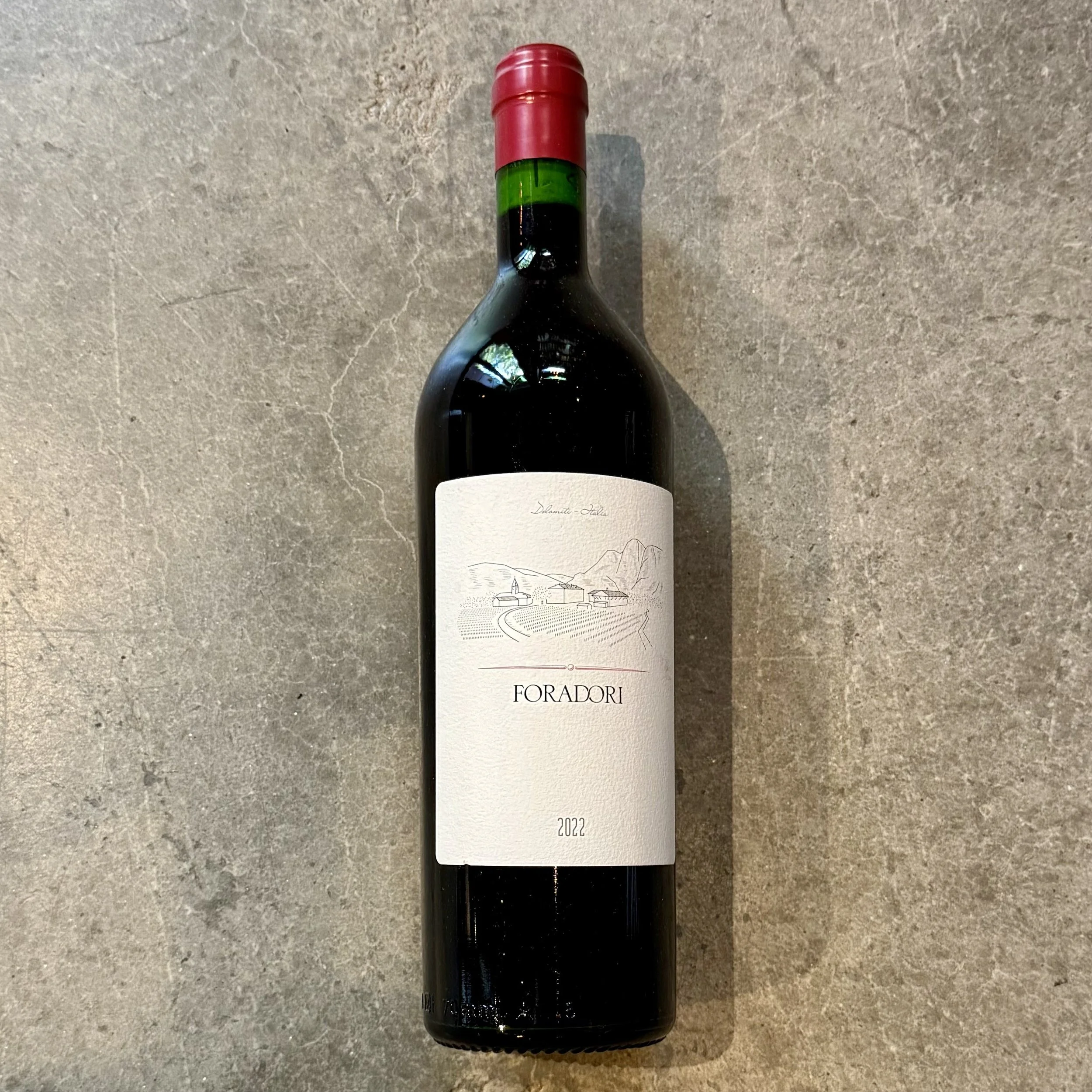
Elisabetta Foradori
Grapes: 100% Teraldego
Place: Trentino-Alto Adige, Italy
Process: The fruit is fermented spontaneously with indigenous yeasts. Aging takes place in cement tanks and used foudres of 20 to 40 hectoliters for about a year. S02 is usually added only at bottling, between 40-50mg/l. In warm vintages with low PH, it may be added after malolactic fermentation.
Family: Elisabetta’s journey in her “wine life” starts with the early death of her father unexpectedly hurtling her to the management of the family estate. Though “born among the vines” as she says, she took the helm at first more from a sense of duty than one of passion or vocation. Eventually, however, that passion and vocation came through the work itself, both in the vines and in the cellar.
Despite her star rising as "the queen of Teroldego" throughout the 1990's, by 2000 Elisabetta had lost all personal connection to her work. A path of questioning, experimentation and intuition (including everything from biodynamics, massale selection and the use of amphorae) eventually led her to give up any sense of chasing market trends of the “wine industry” to develop the estate towards the goal of making wines respectful of the soil and the local grapes she wants to honor, and using the techniques she found more interesting, less invasive, and more wine “holistic”.
Even with a proven track record, starting from scratch does not always guarantee success. Decisions like progressively replanting the majority of the land from pergola to guyot, radically changing vinifications, producing single vineyard expressions of Teroldego (in amphora no less!); there was no way to know if this would resonate with established or new customers. Still, Elisabetta stayed true to her instincts and, as we now know, kept her proverbial throne.
Elisabetta is still very much a daily presence and "the face" for most of the winery's fans. But if you've been following the estate over the last decade it's likely you've met and interacted with her three children Emilio, Theo and Myrtha. All three are lovely and very much evolving the winery into its next phase of existence.
Bottle: $43 | Glass: $19
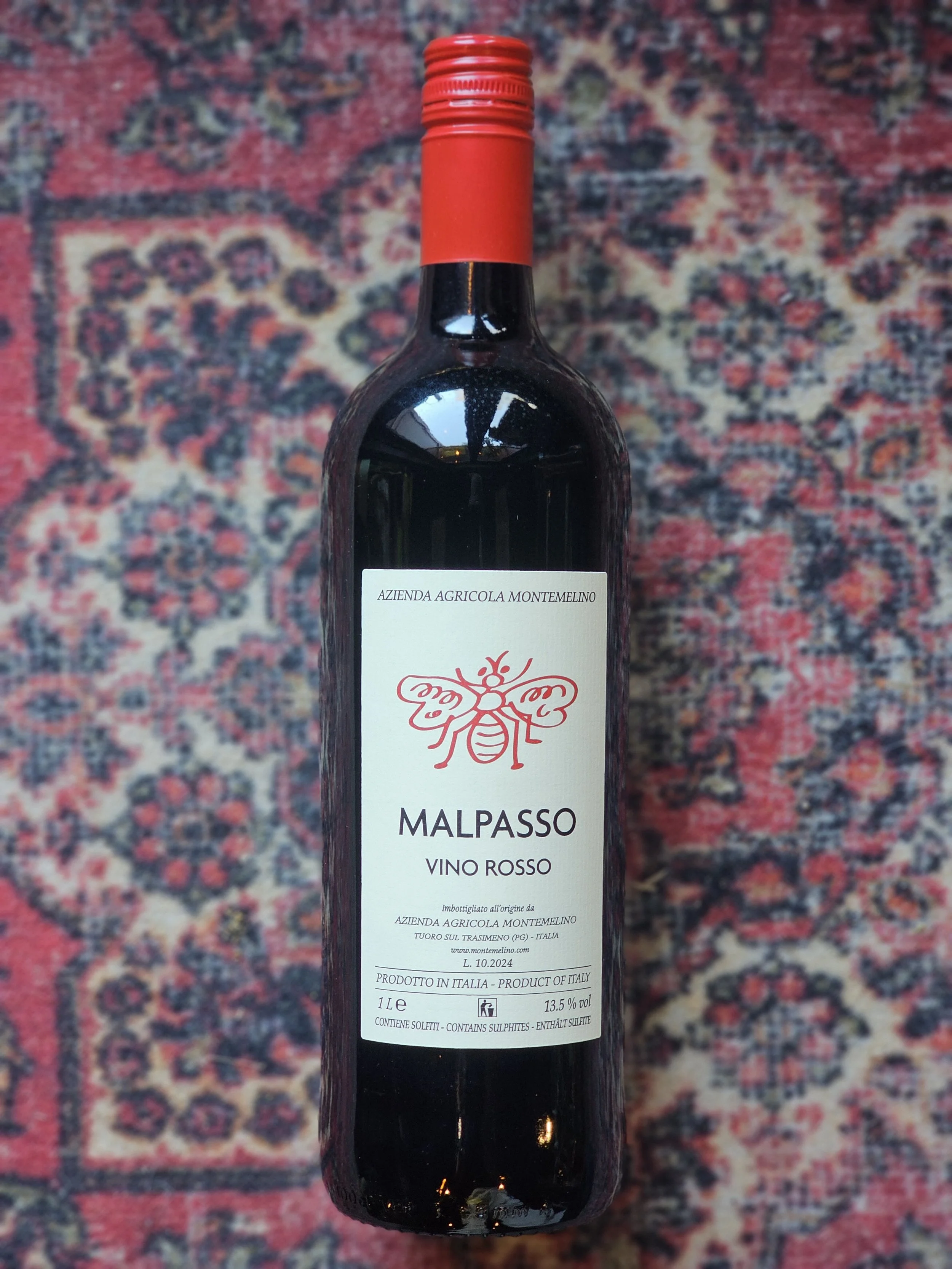
Montemelino ‘Malpasso‘ Vino Rosso
Grapes: 100% Sangiovese
Place: Umbria, Italy
Process: Wild yeast fermentation. Aged in cement tanks for a year before bottling. Minimal added sulfur and no filtering or fining
Family: Overlooking Lake Trasimeno, on the northern cusp of Umbria, lies the Cantarelli family farm of Montemelino. In 1961 Margret Etten Cantarelli made her first vintage of wine, inspired by her passion for the land and a drive to create a fully-functioning, independent farm and winery. Living in Umbria as a German ex-pat for much of her adult life, she'd found her heart in Umbria and a desire to be connected to its land...thus was borne, Montemelino.
Margret, with her husband Guido by her side, worked the land and made the wines for over 50 years, having only recently passed the torch to her daughter Sabina to carry the farm into the next generation. Today the farm has 8 hectares of vineyards, all worked organically, as they have been since Margret began. They grow the native grapes of the tiny Colli del Trasimeno DOC, which include Grechetto, Malvasia and Trebbiano for the white wines and Sangiovese, Ciliegiolo and Gamay del Trasimeno (aka Grenache) for the red wines.
Also on the property are sprawling olive groves holding a combination of the traditional central Italian/Tuscan cultivars (Frantoio, Moraiolo, Leccino), as well as the local Dolce Agogia, native to this tiny regional sub-zone.
Bottle: $31 | Glass: $14