
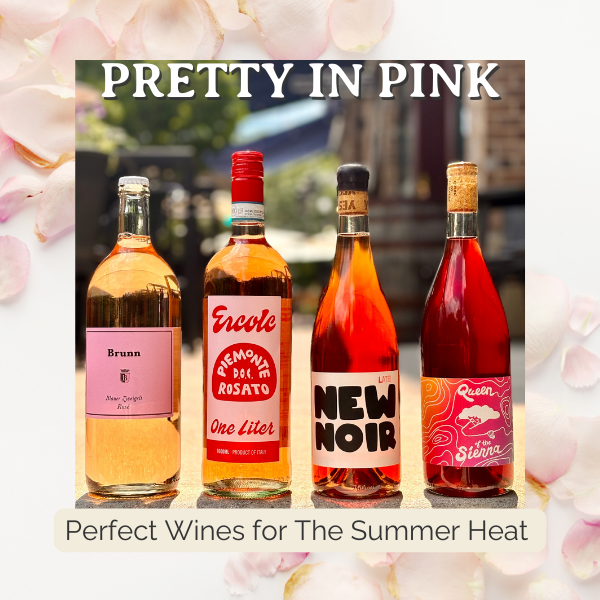
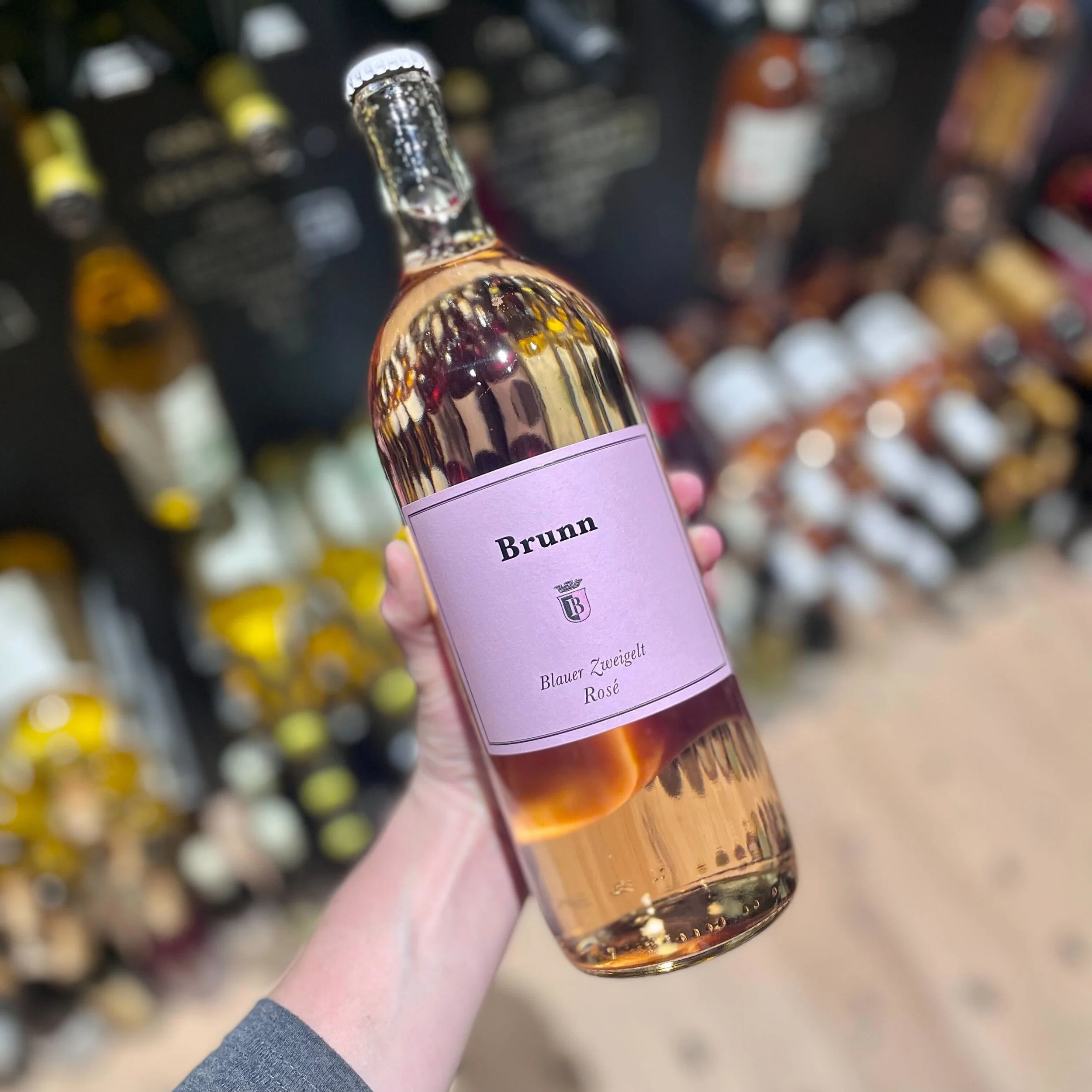
Brunn Rose
Grapes 100% Blauer Zweigelt
Place Niederösterreich - Austria
Process Winemaker Karl Steinschaden and his family are dedicated to traditional practices, completing the harvest 100% by hand in small cases. The old estate vines produce low yield with very high quality grapes. The character of the wine is defined by the soil of the vineyard and the climate of the region. An optimal climate leads to wines of elegance while preserving the unique flavors of the grapes.
Family Just north of the Danube, in Kamptal, resides the small family owned and run winery producing Brunn. The winery owns the oldest traditional basket press in this part of Europe, dating back to 1564 A.D and originally used by the Benedictine Abby of Gottweig near Krems.
Karl and Godfried Steinschaden’s family has lived and farmed the land in Engabrunn for 6 generations. The family is dedicated to traditional practices and the farming is being converted to organic.
Bottle: $21 | Glass: $8
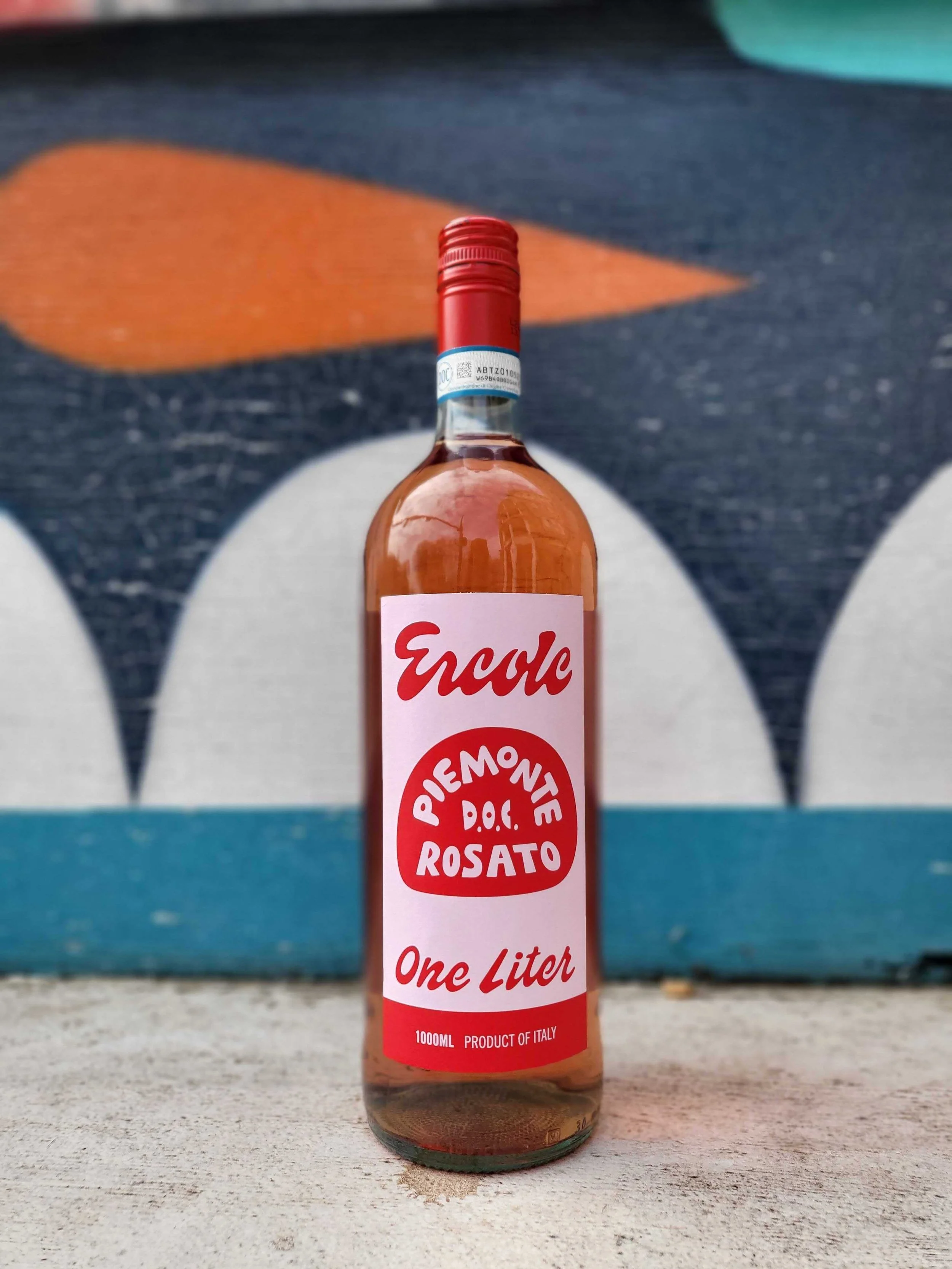
Ercole Rosato
Grapes Barbera - Dolcetto
Place Piedmont - Italy
Process Hand Harvested and Fermented Naturally in Stainless Steel.
Family With a singular concentration on the Piedmont region of Italy, The Piedmont Guy has championed a select group of passionate winemaking families for nearly a decade. Ercole is our line of everyday wines upholding our commitment to honoring the work of the unsung heroes of Italy—the grape growers themselves.
Ercole, whose English translation is Hercules, is only made possible by a generations-old cooperative of local growers in the Monferrato area. Every fall, these men and women cultivate pristine and sustainably farmed fruit, allowing us to make authentic wines that are transmitters of time and place. Small, independent cooperative wineries like this are not only the lifeblood of thousands of small growers across Italy but also repositories safeguarding the native grape varieties and winemaking traditions of their respective regions.
The cooperative behind Ercole works predominantly with old vines ranging from 30 to 50 years old. All participating growers adhere to the European Union rule for sustainable farming known as lotta integrata, or lutte raisonnée, though many are now certified organic. None of these growers use systemic treatments or chemicals, employing only minimal copper and sulfur. Both vinification and bottling are certified vegan.
The place, Monferrato, ranks among the most historic grape-growing areas of Piedmont and is the confirmed birthplace of the Barbera grape. For these reasons, we work primarily with Monferrato’s indigenous grape varieties. The fruit from this increasingly popular area gives us Ercole, a family of wines offering remarkable value.
Enjoy these easy-drinking, value-driven bottlings unconditionally. Salute!
Bottle: $20 | Glass: $8
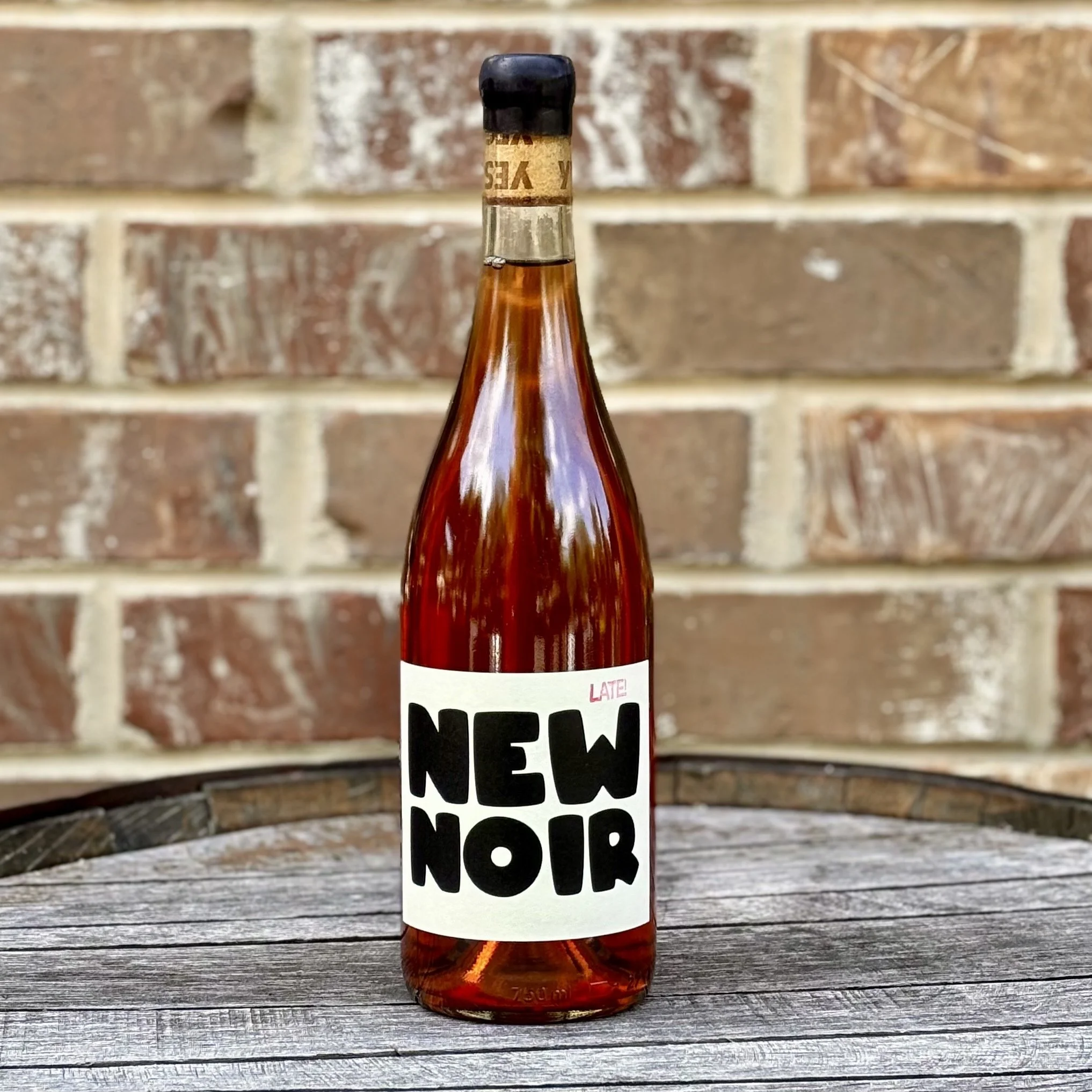
Maison Noir ‘New Noir’
Grapes 50% Gewurztraminer, 28% Pinot Gris, 12% Riesling, 5% Muscat, and 5% Pinot Blanc
Place Willamette Valley - Oregon
Process A skin contact “Northwest Edelzwicker” of sorts, a diabolical blend of 50% Gewurztraminer, 28% Pinot Gris, 12% Riesling, 5% Muscat, and 5% Pinot Blanc: Stone fruit potpourri, racy acidity with a sprinkle of molten salt!
With Pinot Gris with extended skin contact, the 2022 vintage has a dark pink hue akin to an Italian Rosato.
Family Maison Noir is a two-fold lifestyle project producing both a T-Shirt line and Oregon wines. Founded by sommelier André Hueston Mack in 2007, both ends of Maison Noir incorporate a trademark attitude and personal perspective on wine subculture. The wines are unique and distinctive garage wines, initially created for some of the New York's best restaurants for whom Mack was a sommelier and now available nationwide. Maison Noir apparel is inspired by WINE LIFESTYLE/STREET CULTURE of the punk and hip-hop scenes while reminiscent of independent skateboard company apparel of the 1990s
Bottle: $35 | Glass: $15
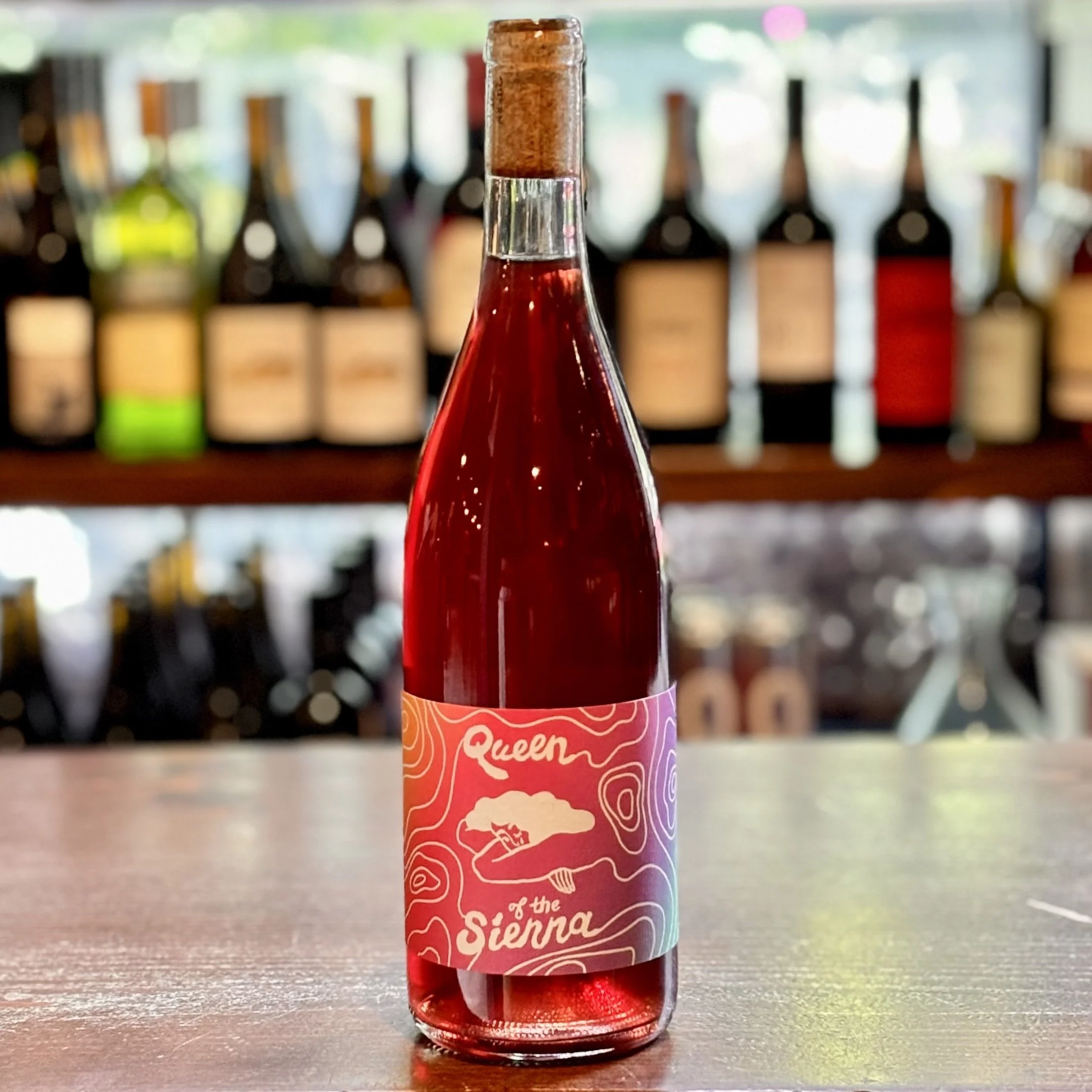
Forlorn Hope ‘Queen of Sierra’ Co-Ferment
Grapes Albariño - Tempranillo - Barbera -Vermentino - Chenin blanc - Pineau d’Aunis -Trousseau - Chardonnay - Zinfandel - Verdelho.
Place Calaveras County - Sierra Foothills - California
Process What’s the big idea with a co-ferment? At RHV, we love the aromatic exuberance we find in our white varieties, and the reds can bring a bounty of bright fruit flavors to the wines they produce. So why not put those things together?? You end up with the best of both worlds – the co-ferment stands in the ground between red, white, and rosé. It’s eminently chillable because it has lighter tannins than a regular red, it’s got more flavor and aroma than a rosé by virtue of its longer skin contact, and it has all the savory tang of the limestone soils and cold nights here at RHV. So how did we do it? We picked reds, we picked whites, and we put them in the fermenter together to get the party started. As it happened, varieties from similar historical regions paired up for picking time: Albariño and Tempranillo hit it together, as did Barbera and Vermentino, Chenin blanc and Pineau d’Aunis, Trousseau and Chardonnay, and (let’s hear it for 1880s California!) Zinfandel and Verdelho.
Family At Forlorn Hope Wines, we love the longshots. We love the outsiders, the lost causes, the people/projects/ideas abandoned as not having a chance in the world.
We love the little guy because we’re all about tenacity, we relish a challenge, and – we admit it – we love us a good tussle. Taken from the Dutch ‘verloren hoop’, meaning ‘lost troop’, Forlorn Hope was the name given to the band of soldiers who volunteered to lead the charge directly into enemy defenses. The chance of success for the Forlorn Hope was always slim, but the glory and rewards granted to survivors ensured no shortage of applicants. These bottles are our headlong rush into the breach. Rare creatures from the limestone slopes of Rorick Heritage Vineyard, these wines are our brave advance party, our pride and joy – our Forlorn Hope.
Bottle: $33| Glass: $14