
Fermented’s Natural Wine Festival 2022
Scroll Below to Find More Information on Your Wines!
Table One: Italy
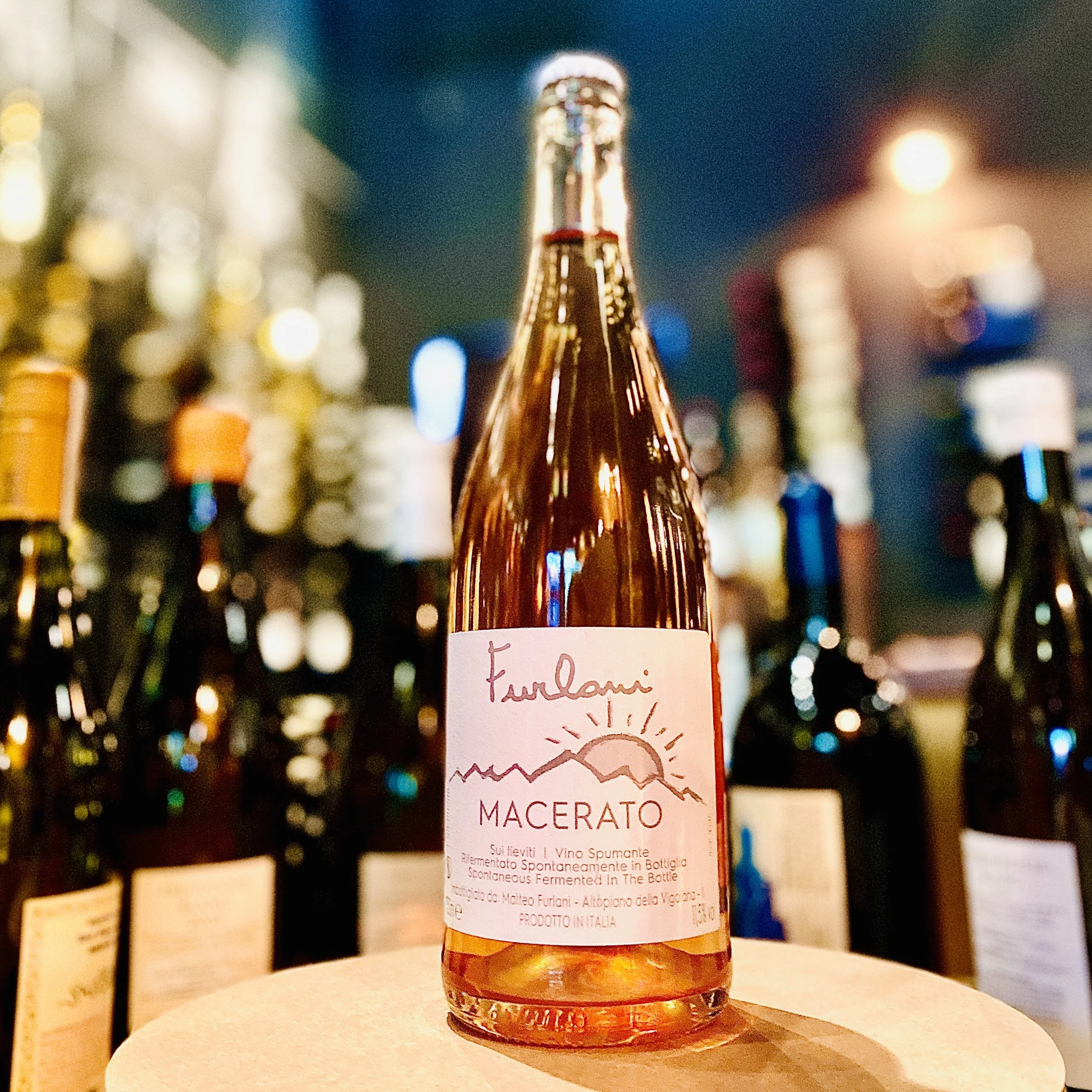
Furlani “Macerato”
100% Pinot Grigio
10 days skin contact with spontaneous fermentation in stainless steel. Frozen must added before re-fermentation in bottle during Spring. Minimal added sulfur (if needed) and no disgorgement.
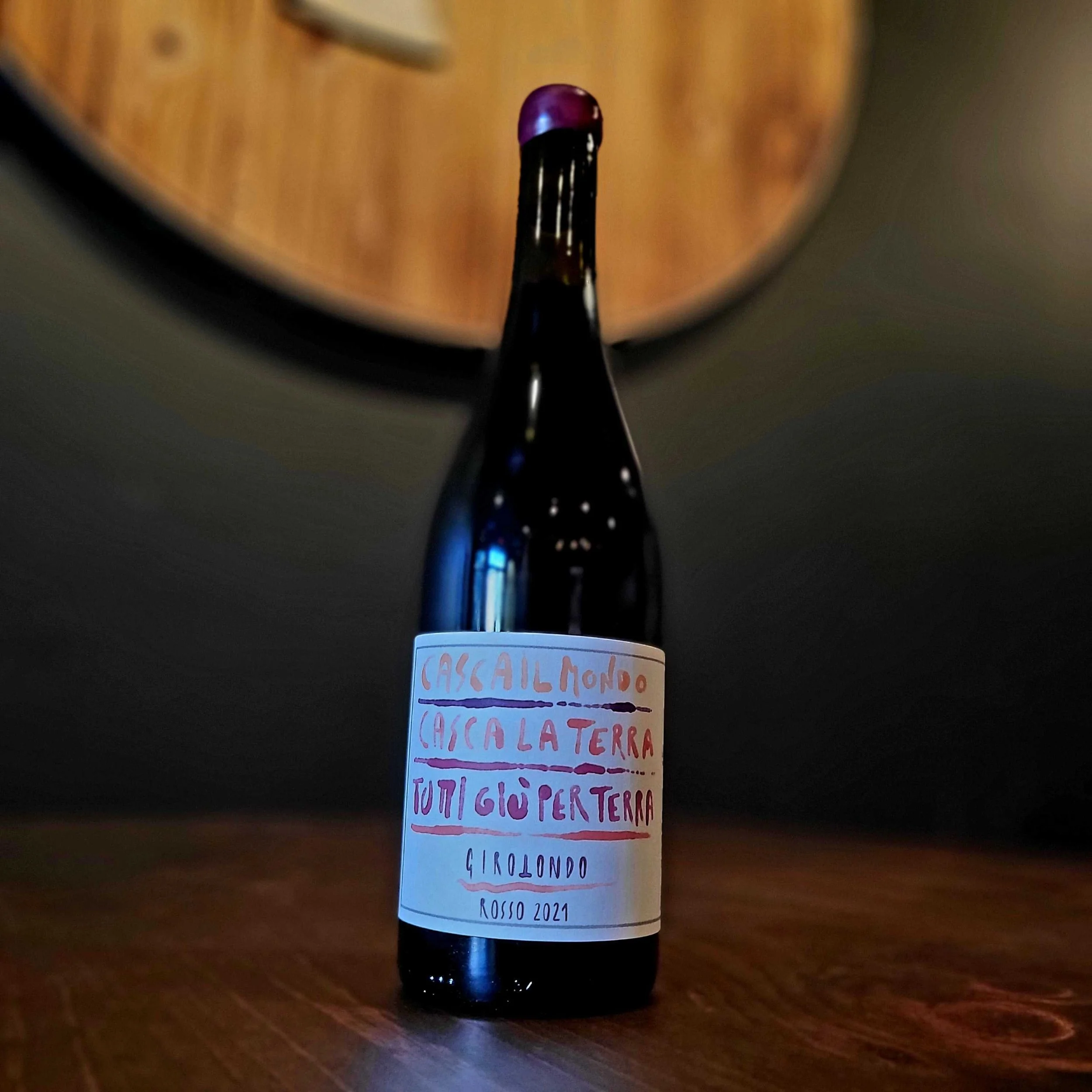
I Forestieri “Girotondo”
“It is our daring tour in pursuit of the grapes with greater acidity and freshness. Mainly Sangiovese, it comes from co-fermentation with a small amount of white grapes. Short macerations and aging in concrete. A wine without unnecessary frills from this mountain Maremma.”
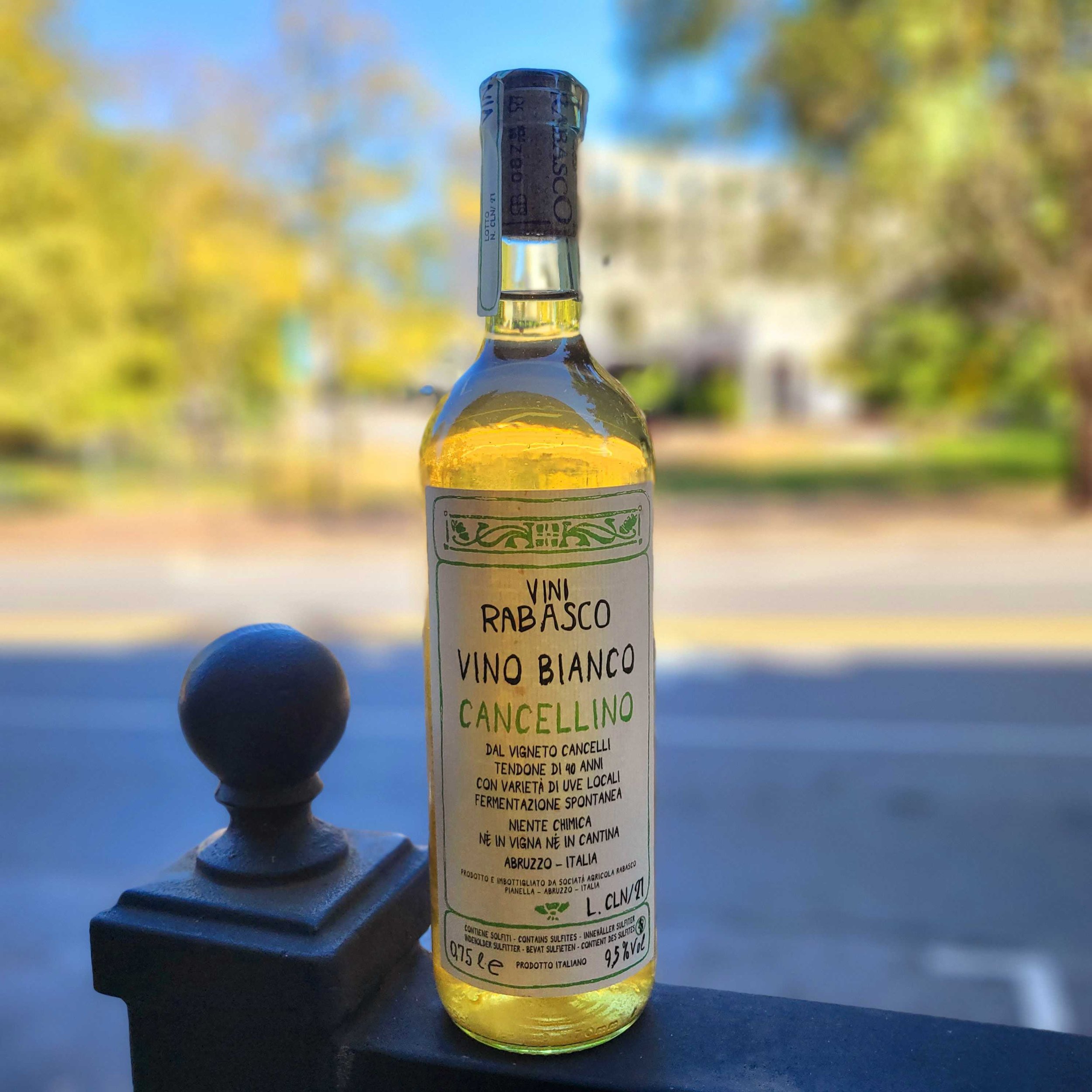
Rabasco “Cancellino Bianco”
Trebbiano d’Abruzzo picked at the first-pass of harvest. Overnight skind maceration, spontaneous fermentation. Aged in stainless steel. Zero added sulfur and no filtering or fining.
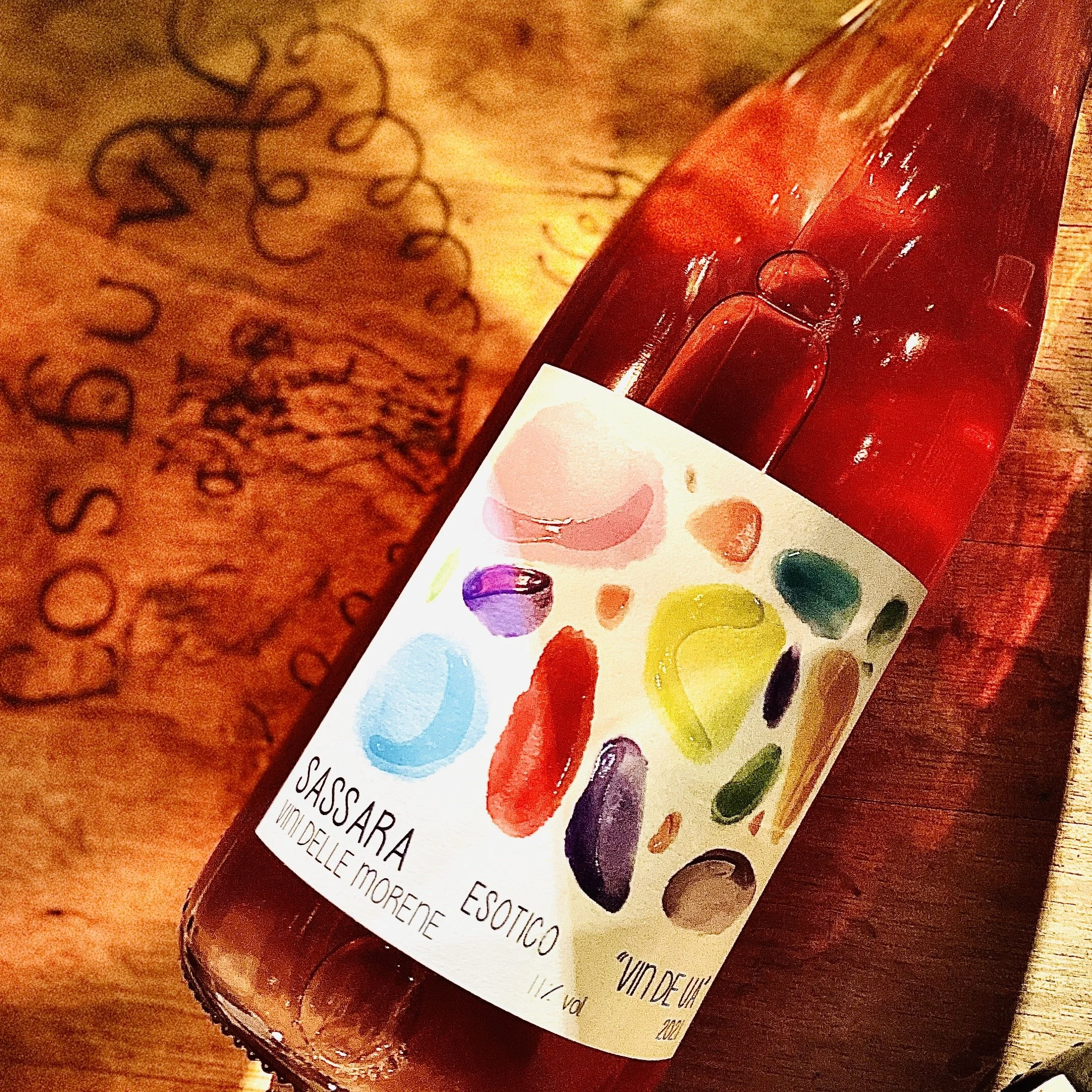
Sassara “Esotico”
Is it red? Is it pink? Is it orange? Who cares?! 30% red grapes (Corvina, Rossanella, Rondinella, Molinara) and 70% white grapes (Fernanda, Moscato, Trebbianello, Trebbiano, Garganega, Tocai), all from old vines. Hand harvested and spontaneously co-fermented with 10 days of skin maceration and without temperature control. Aged in stainless steel. No filtering or fining and minimal added sulfur as necessary.
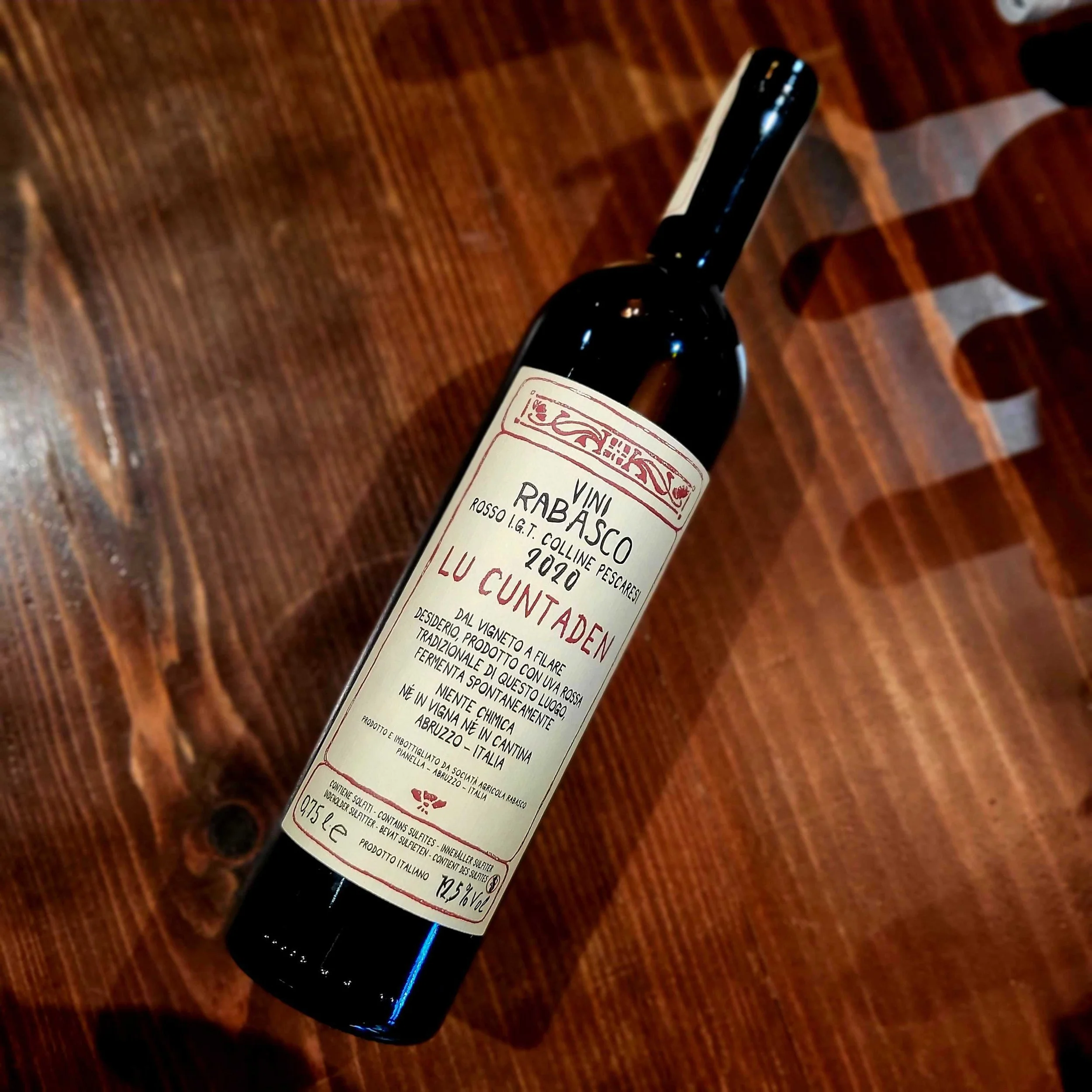
Rabasco “La Cuntaden”
100% Montepulciano d’Abruzzo from San Desiderio vineyard (lower elevation and closer proximity to the Adriatic results in richer, riper fruit). Spontaneous fermentation without temperature control. Aged in tank. No filtering or fining.
Table Two: France
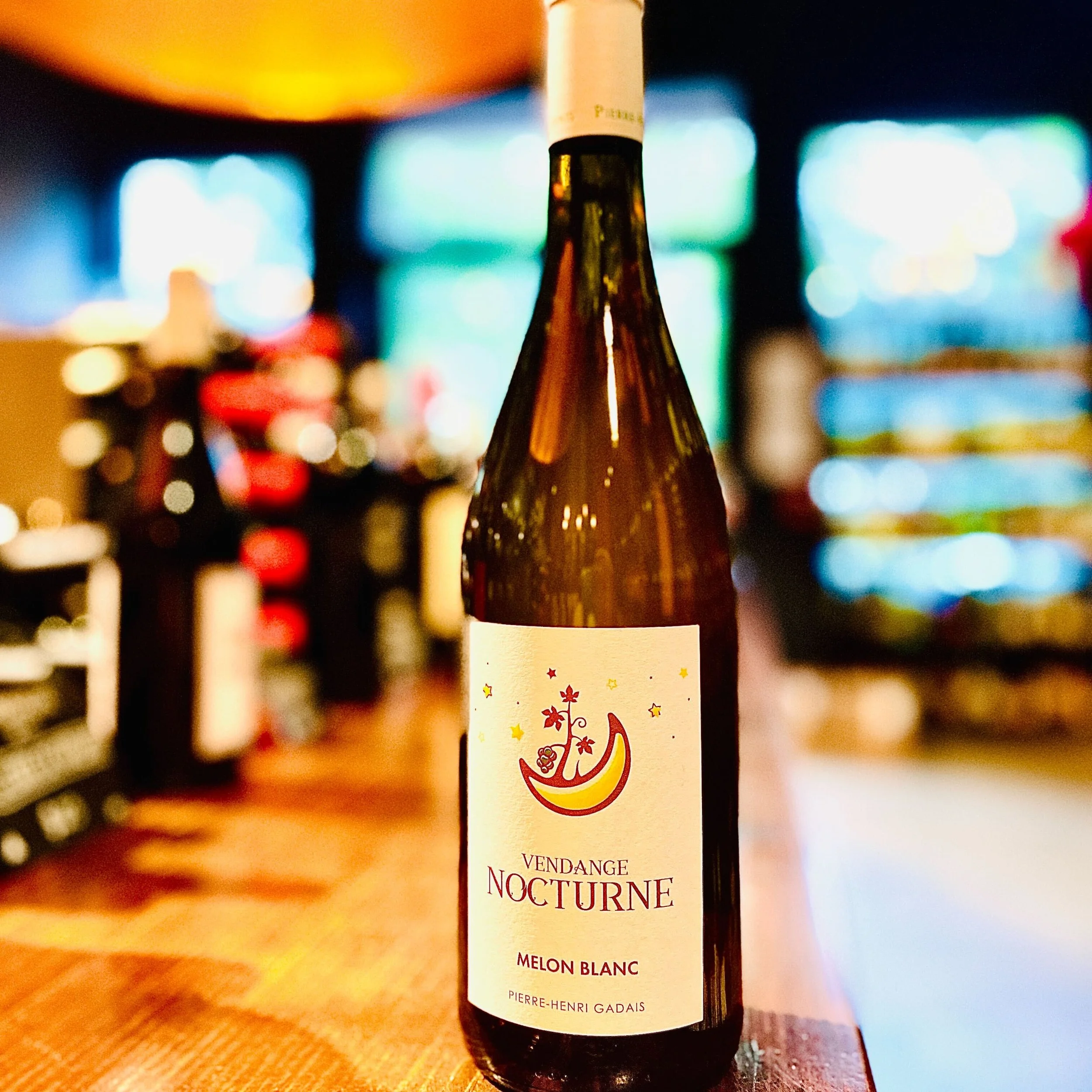
Dom. de la Combe “Vendage Nocturne”
The Melon de Bourgogne grapes were harvested on the night of September 8th and crushed upon arrival in the cellar. After a short 12-hour maceration on the skins the grapes are pressed and transferred to stainless-steel tanks for fermentation. Spontaneous fermentation using only the naturally occurring indigenous yeasts. A low dose of sulphur is added at the end of alcoholic fermentation. The wine does not undergo malolactic fermentation.
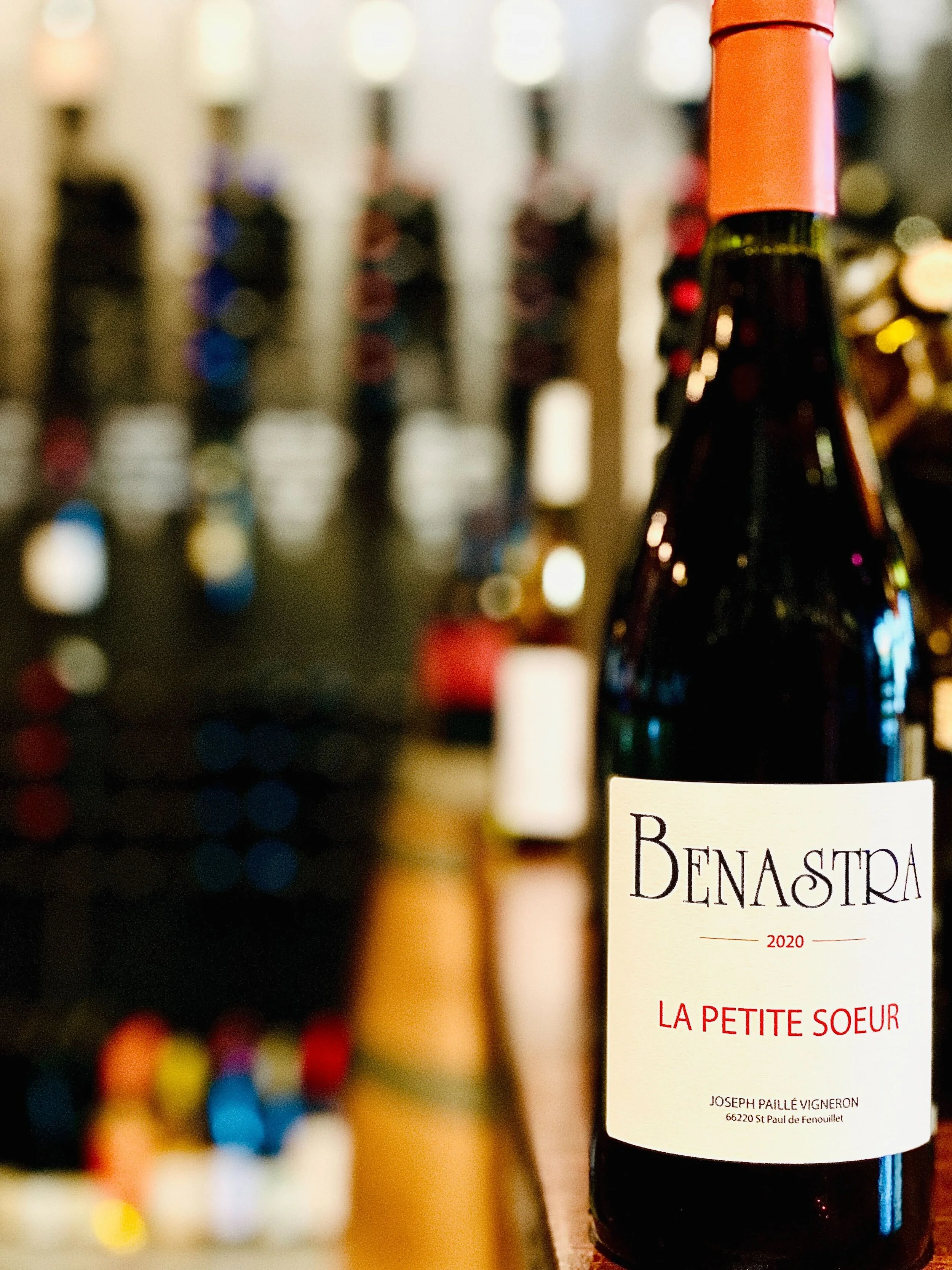
Benastra “La Petite Sœur” Rouge
40% Lledoner Pelut, 20% Carignan Noir, 20% Syrah, 20% Grenache Noir. Blend of whole cluster and whole berry fermentation in stainless steel, except for the Carignan which is fermented 100% whole cluster in concrete tanks. Only naturally occurring indigenous yeasts are used in the fermentation.
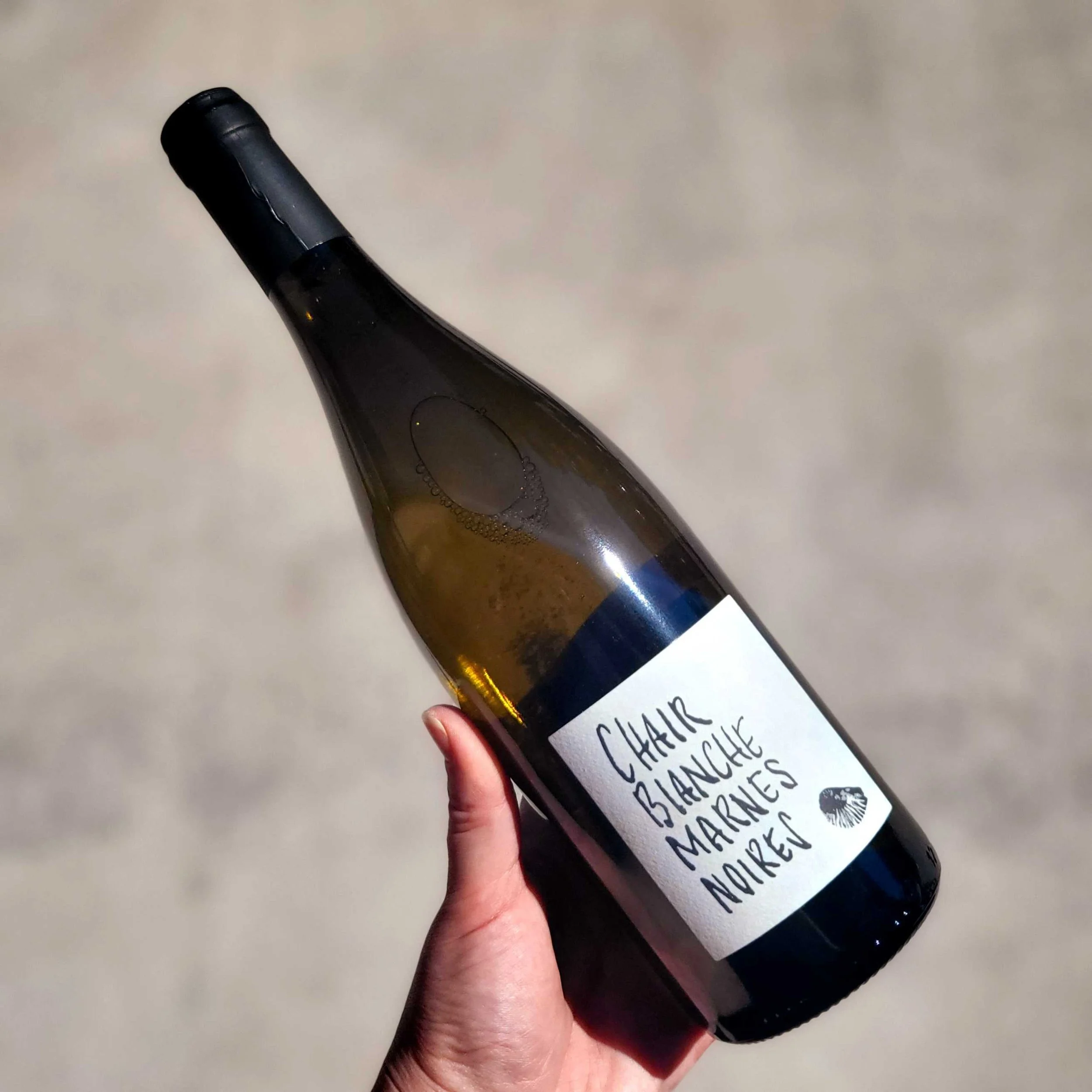
La Bancale “Chair Blanche Marnes Noires”
The grapes (50% Grenache Gris, 50% Macabeu) were harvested on the mornings of August 30th and September 1st and direct pressed upon arrival in the cellar. The juice undergoes one-night of cold settling in stainless-steel tanks, then is racked off the heavy lees. Alcoholic fermentation begins naturally using only indigenous yeasts. Fermentation lasted 14 days for the vat containing the juice from the August 30th harvest (70-year-old Grenache Gris & a portion of the young vine Grenache Gris), and 12 days for the vat containing the juice from the September 1st harvest (12-year-old Grenache Gris & 42-year-old Macabeu). No stirring of the fine lees and both vats completed malolactic fermentation. Both vats were racked off the lees on September 19th and a small dose of sulfur added. The two vats were blended on September 22nd in a 30hl stainless-steel tank.

Le Mas de Mon Père “Tu M’Intéresses”
The grapes (60% Merlot, 22% Cabernet Franc, 8% Malbec, 8% Grenache Noir, 2% Cinsault) are hand harvested, and each variety is fermented separately in stainless-steel tanks. For the Cabernet Franc, Malbec, Grenache Noir, and Cinsualt the grapes are whole cluster fermented for 10-14 days and then pressed. The juice is transferred back to stainless-steel tanks to finish fermentation. For the Merlot, a first passage is done in the vineyard and approximately 35% of the ripest clusters are harvested. The grapes are de-stemmed and fermented whole berry with 1 pump over a day in stainless-steel vats. De-vatting on the 5th day with only the free run juice retained. A second passage is done, 4 to 6 days after the first passage, to harvest the remaining Merlot. The whole clusters are put into the same stainless-steel tanks with the fermenting free run juice from the first passage. The whole clusters and free run juice ferment together for 10 to 14 days, after which the whole clusters are de-vatted and pressed, and the press wine is blended with the free run wine. All fermentations begin spontaneously, utilizing only the naturally occurring indigenous yeasts. Blending of the 5 varieties occurs after the completion of malolactic fermentation.
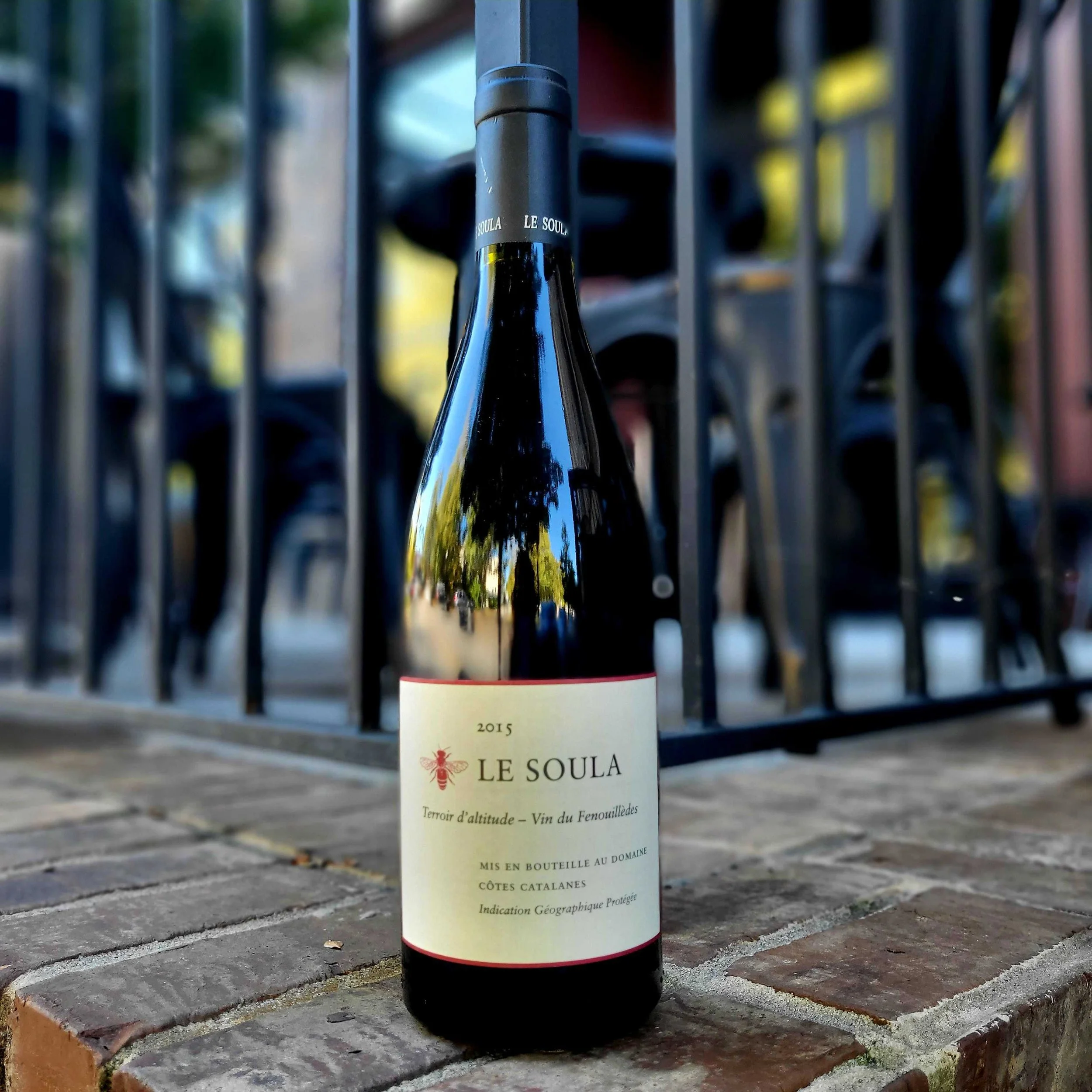
Le Soula Rouge
53% Carignan, 37% Syrah, 10% Grenache Noir. Each variety and parcel were hand harvested between September 11 and October 2 and vinified separately in a combination of stainless-steel tanks and large used oak barrels. 9–14-day whole cluster fermentation using only indigenous yeasts, after which each tank and barrel are pressed separately and transferred to large used oak barrels to complete fermentation. Aged 36% in used large oak vats, 55% in used 500L Stockinger demi-muids & 228L barriques, and 9% in stainless-steel tanks. Each variety is matured separately for 13-15 months before the blend is established. After blending, the wine is transferred back to used oak barrels of various sizes and stainless-steel tanks for an additional 7-9 months of aging. Prior to bottling the wine undergoes a light filtration and a low dose of sulfur is added. In total, the wine is matured 22 months before going to bottle. The wines are only released when the Domaine feels they are ready to drink.
Table Three: Austria & Chile
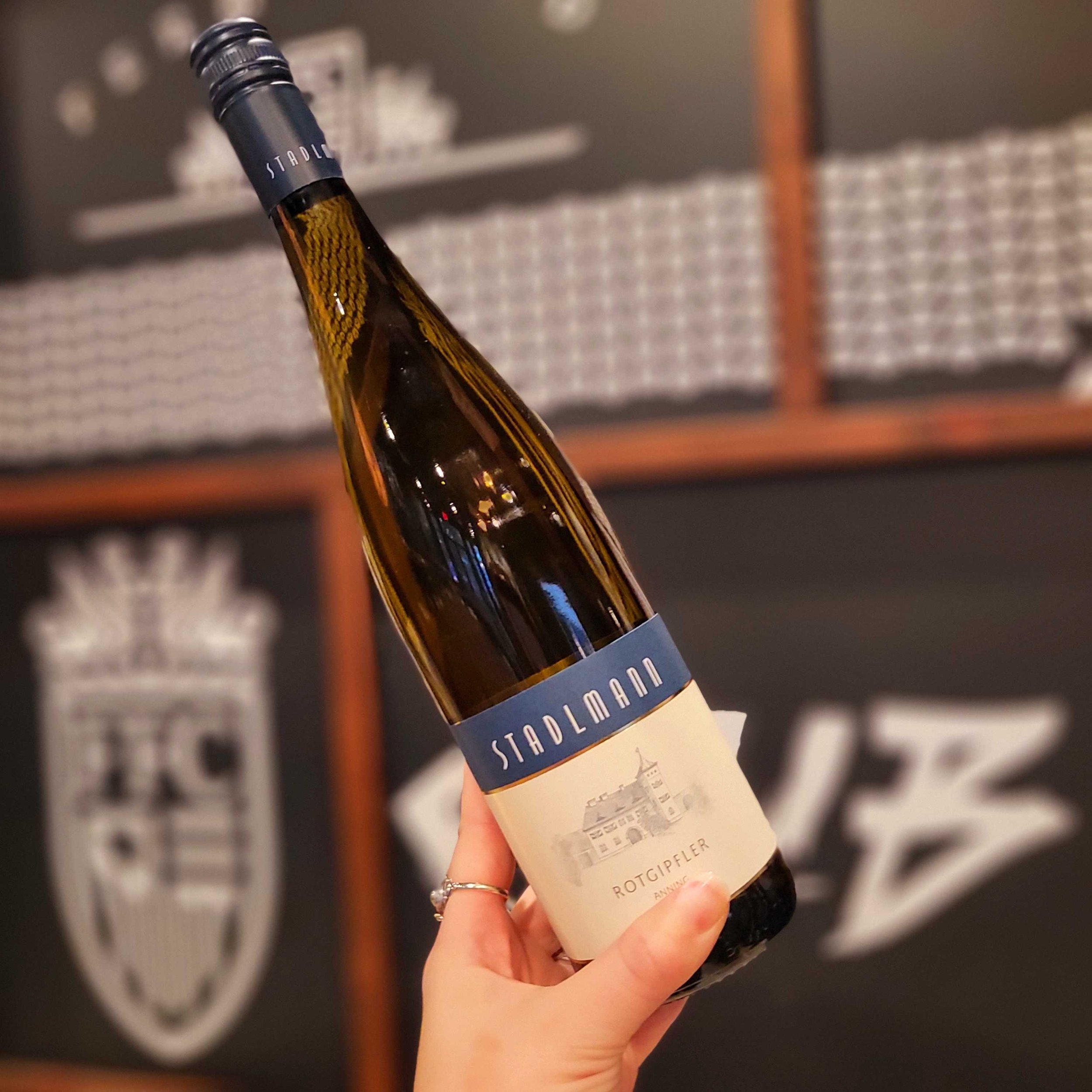
Stadlmann Rotgipfler “Anning”
Analogous to Burgundy’s regional wines, Stadlmann’s basic Rotgipfler is named after the Anning hills which characterize the northern part of the Thermenregion. Produced in large part from younger vines planted in the lower, flatter parts of these hillside vineyards, the Rotgipfler Anning ferments with naturally occurring yeasts in large, neutral Viennese oak, and rests on its fine lees until it is bottled the May after harvest. Its core of round, broad, melon-like fruit is given ample definition by a blatantly saline sense of minerality, and it possesses exceptional cling and concentration given its modest level of alcohol.
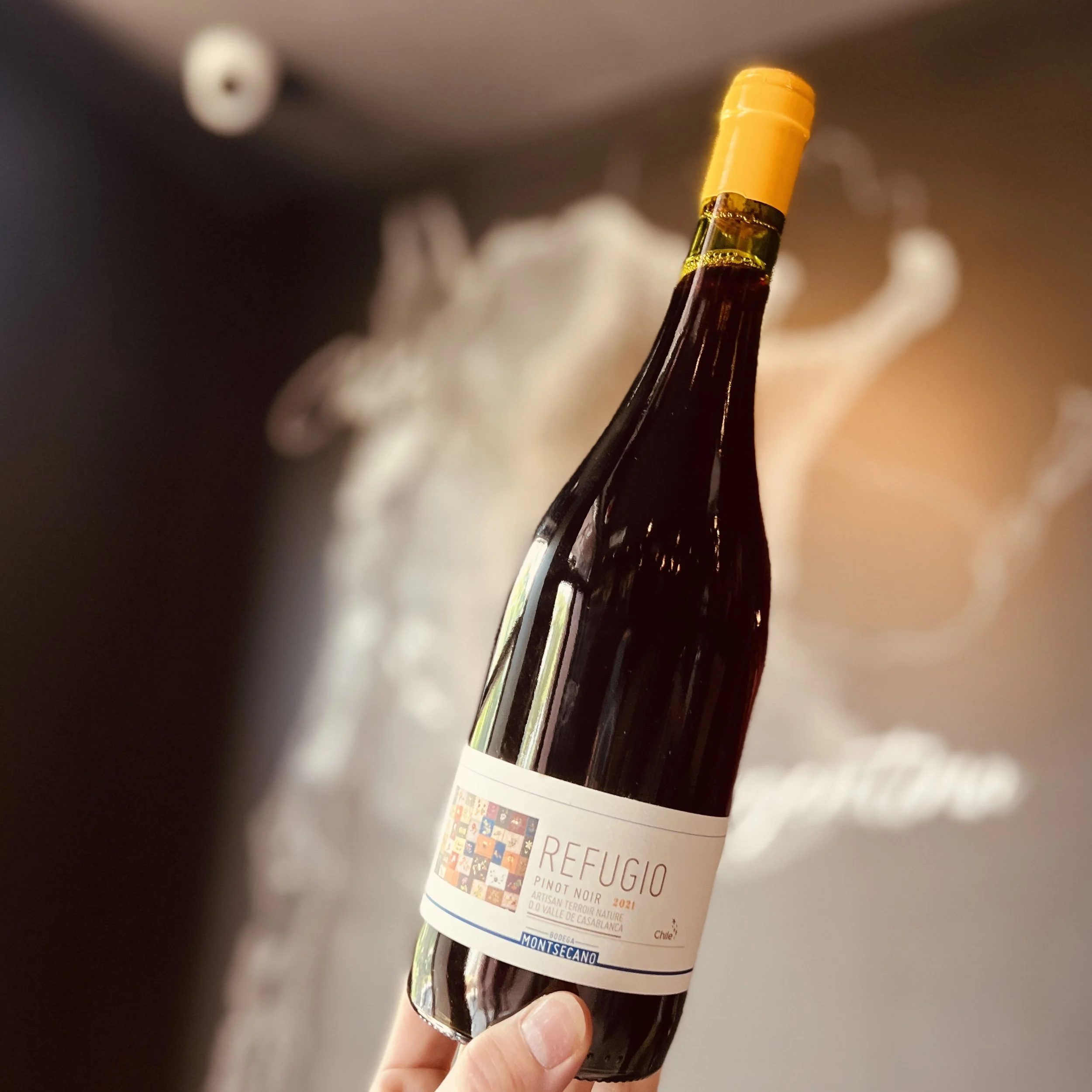
Montesecano “Refugio”
This 100% bio-dynamic hand harvested, single vineyard Pinot Noir is fermented in concrete egg. Julio Donoso and Andre Ostertag started Montsecano in 2005. They planted 4 hectares of Pinot Noir in las Dichas, Casablanca and built a small winery and cellar on the property. The vineyard is biodynamically farmed and is plowed by horse. The subterranean, geothermal winery is shaped like an egg, and they vinify exclusively with concrete egg and stainless steel. Many believe that they produce two of the most highly regarded expressions of Pinot Noir in all of Chile. Julio and Andre incorporate a philosophical aspect that goes deeper than the vine and the energy is manifested on the property and in the bottle.
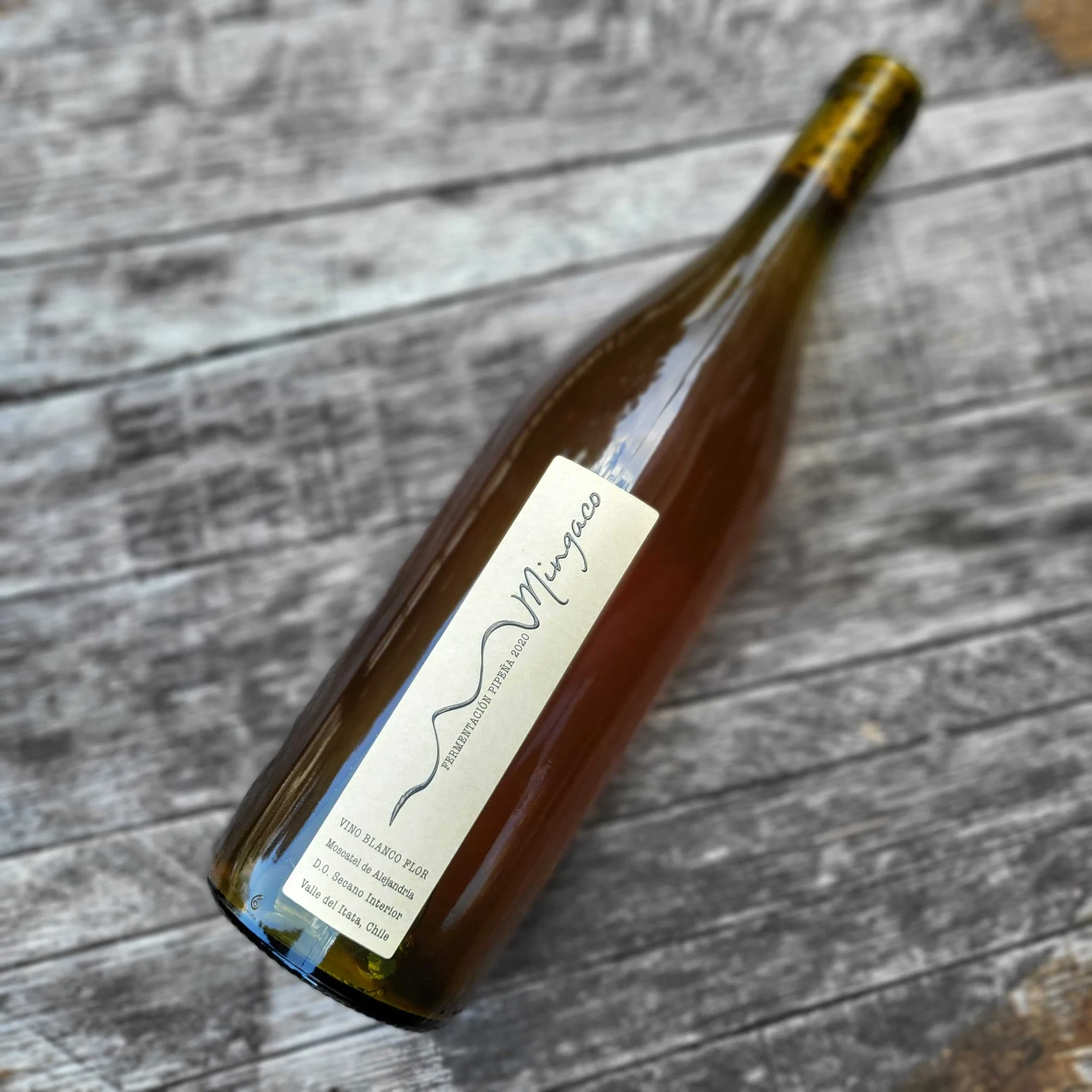
Mingaco Moscatel
100% Moscatel of Alexandria from own-rooted bush vines that are more than 30 years old, planted on clay-granite soils that are rich with quartz. The site is at 300 meters altitude and faces south. The grapes were harvested by hand and destemmed, then fermented outside under an oak tree in an open-top fiberglass tank without temperature control. Maceration on the skins for 12 days: the duration of fermentation. After fermentation completed, the wine was pressed into 6-year-old American oak barrels in their adobe cellar to rest on its lees for 11 months. Bottled without fining or filtering.
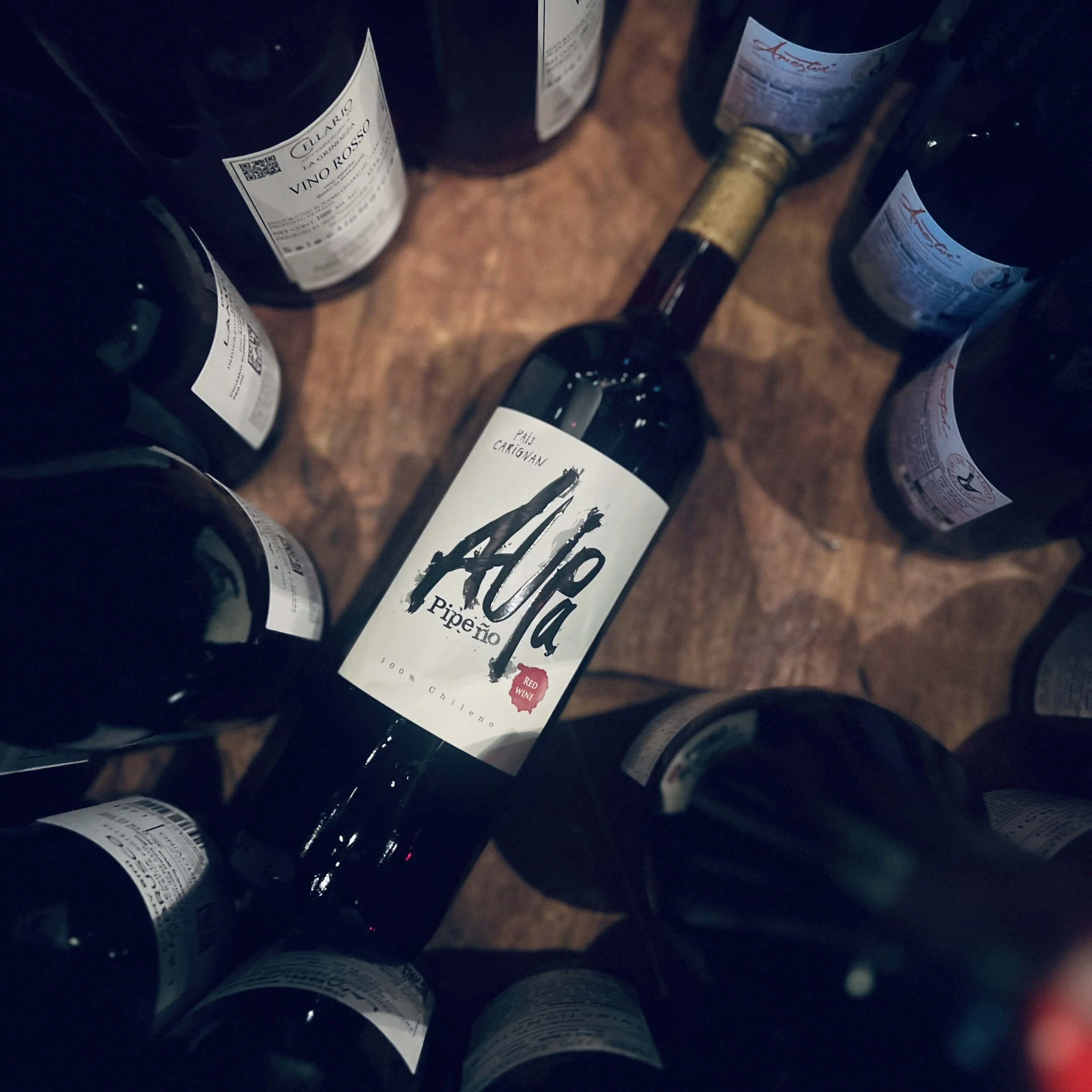
Viña Maitia “Aupa Pipeño”
Pipeño is the traditional method of winemaking in Chile, which dates back to the late 16th century. The Aupa Pipeño from Viña Maitia is an old school blend of 80% País (aka Mission/Listan Negro/Criolla Grande) and 20% Carignan from a 10 hectare, 120-year-old, dry farmed vineyard in the Maule Valley of Chile. This valley benefits from a Mediterranean-like climate where high temperatures in the summer are cooled by the breeze from the Humboldt Current in the Pacific Ocean. Pipeño is a very rustic wine, especially when produced with País, a sacramental grape which was the first grape planted in the Americas, brought here by the Spanish. The País grapes are removed from the clusters manually by being hit over a zaranda, a metal grid that acts as destemmer and press, to a traditional concrete vat, where a natural yeast fermentation takes place. The Carignan is fermented with whole clusters, and then the blend is aged briefly in concrete before bottling into flint glass at a 12.9% ABV with small amounts of sulfur.
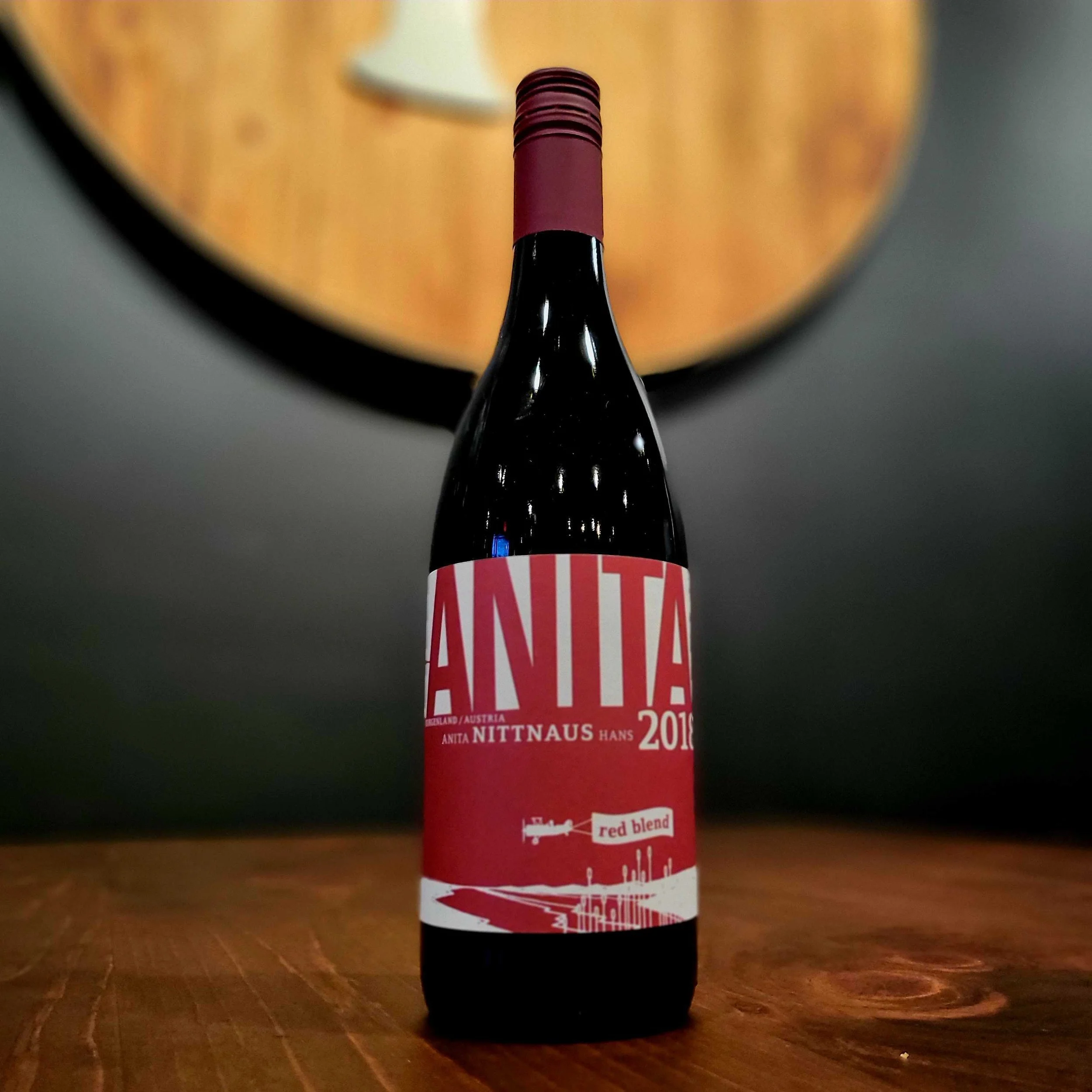
Anita and Hans Nittnaus “Anita” Red Blend
Mostly Zweigelt with splashes of Blaufränkisch and Sankt Laurent, “Anita” shows off Nittnaus’ knack for producing lip-smackingly delicious reds. Soaring acidity lets the spice-drenched red and black fruits dance on the palate, and the wine—with only 15 milligrams per liter of added sulfur—bristles with energy. There is just enough structure here to keep the wine from feeling simple, but it stays out of the way of the fruit-and-spice main event.
Table Four: Spain
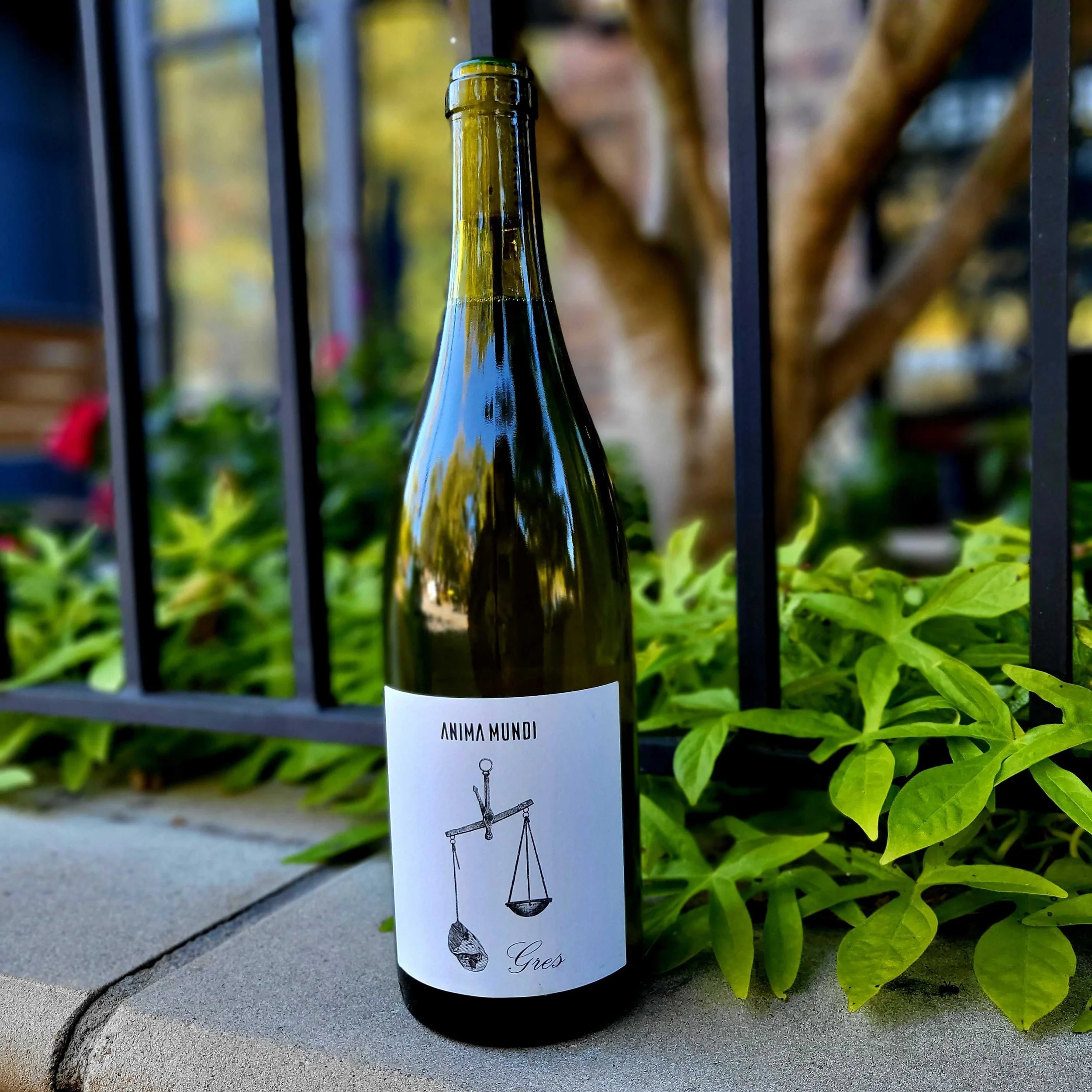
Anima Mundi “Gres”
From vineyards of Xarel-lo planted between 1956 and 1974 in Sant Sebastià dels Gorgs in the Alt Penedès. The soils are highly calcareous, but feature a remarkable amount of sandstone as well, and are cultivated according to organic and biodynamic principles. The grapes are hand harvested, then 1/3 are direct pressed and fermented and aged in 500L used French oak barrels; 1/3 are direct pressed into clay amphorae; and 1/3 ferment on the skins for 14 days and are aged in stainless steel. All three parts rest for 6 months on their lees before blending and bottling. No sulfur is used during the process, and there is no fining or filtration.
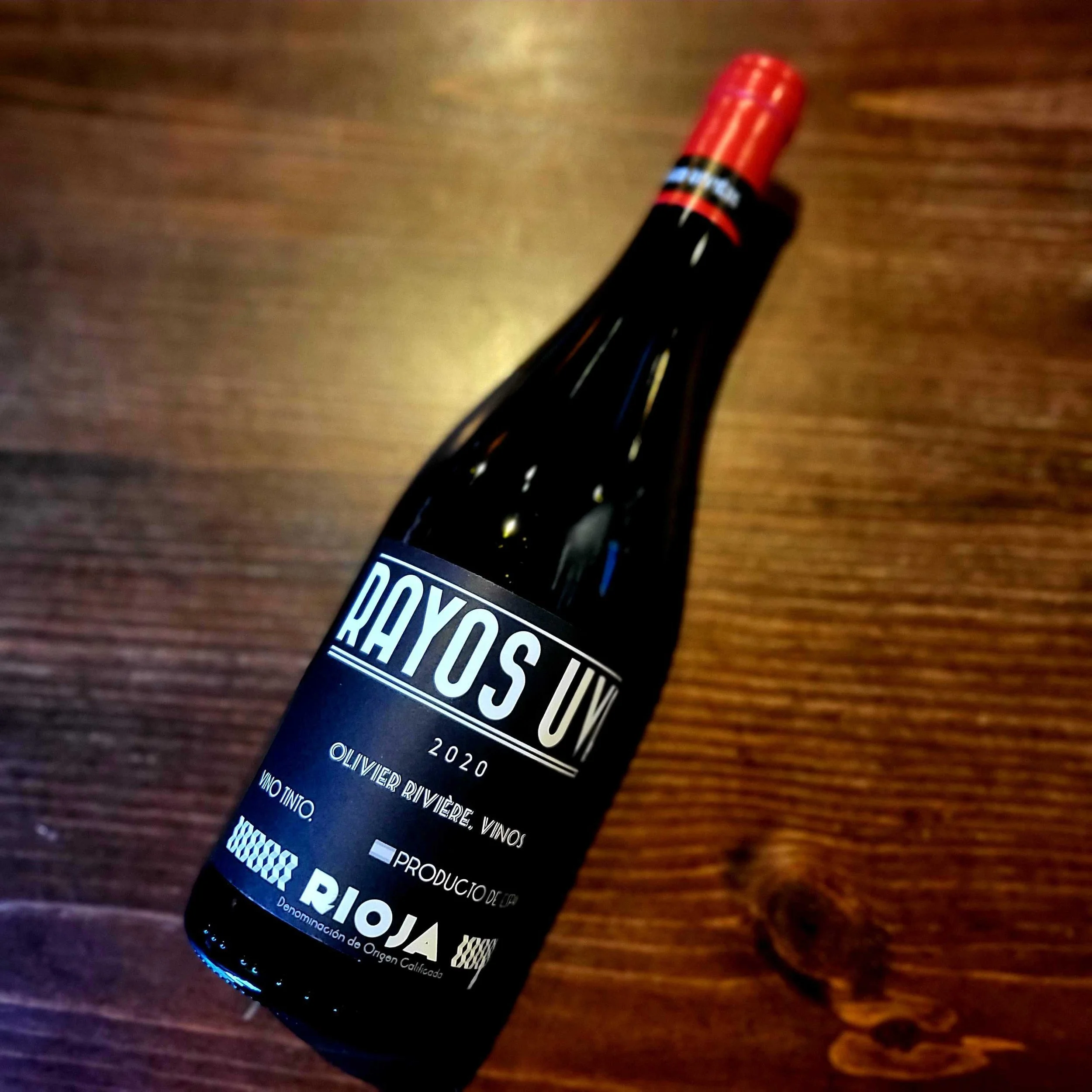
Rayos Uva is Olivier’s version of a Bourgogne Rouge sourced from fruit grown in the sandy, gravelly and alluvial soils of Rioja Baja. The blend is dependent on the vintage but usually includes Tempranillo, Garnacha, and Graciano – percentages change each year to create a brightly fruity version of Rioja unmarked by oak.
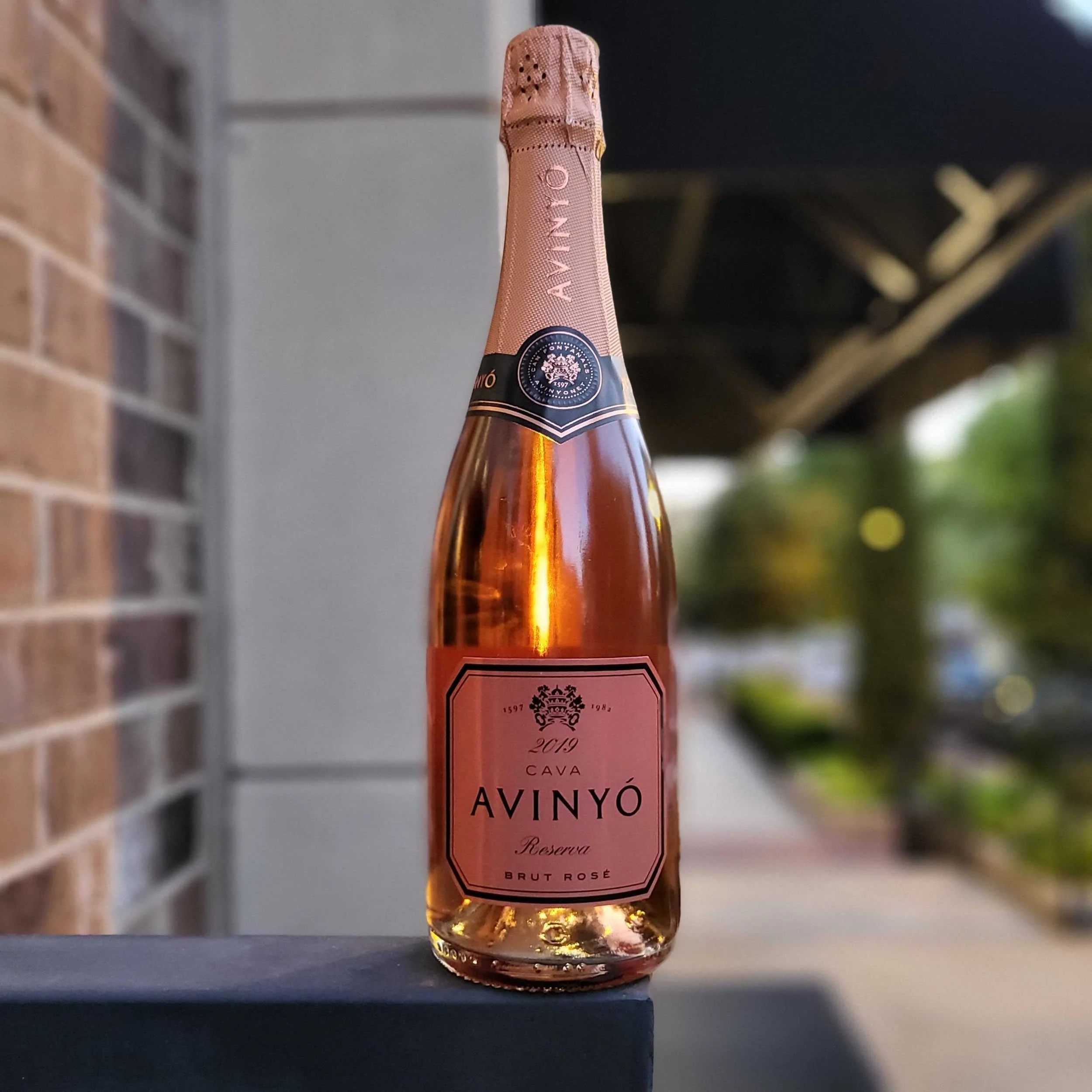
Avinyó Rosé Reserva
The Pinot Noir grapes are harvested at night to avoid oxidation and for optimal temperature. The free run juice then macerates for eight hours with the skins. The base wine ferments in temperature-controlled stainless steel between 16°C and 18°C. After cold stabilization, the wine begins its secondary fermentation in bottle with the addition of yeasts and sugar early the following year. It then ages for a minimum of 18 months on the lees before being disgorged on demand.
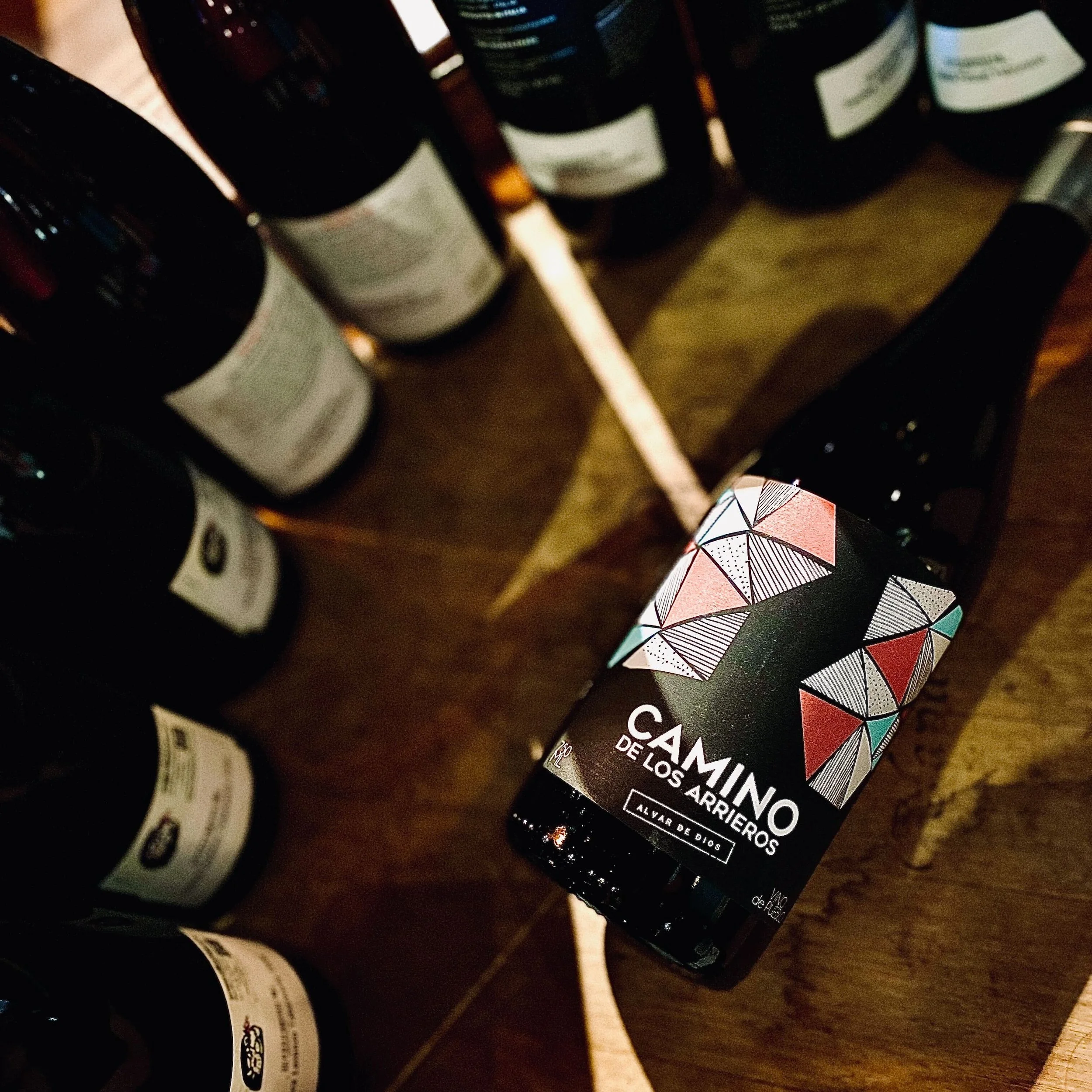
Alvar De Dios “Camino de Los Arrieros”
DO Arribes is a little-known appellation located on the extreme western edge of Spain along its border with Portugal. Here, Alvar de Dios 36 small parcels of vines totaling 5 hectares, most of which are used to create Camino de los Arrieros. A blend of Rufete, Juan García, Trincadeira Preta, Merenzao, and some other stray varieties mixed in the vineyards all planted on sandy red slate soils, Camino is harvested by hand, fermented whole cluster by indigenous yeasts in 1000L French oak vats with pigeage by foot.
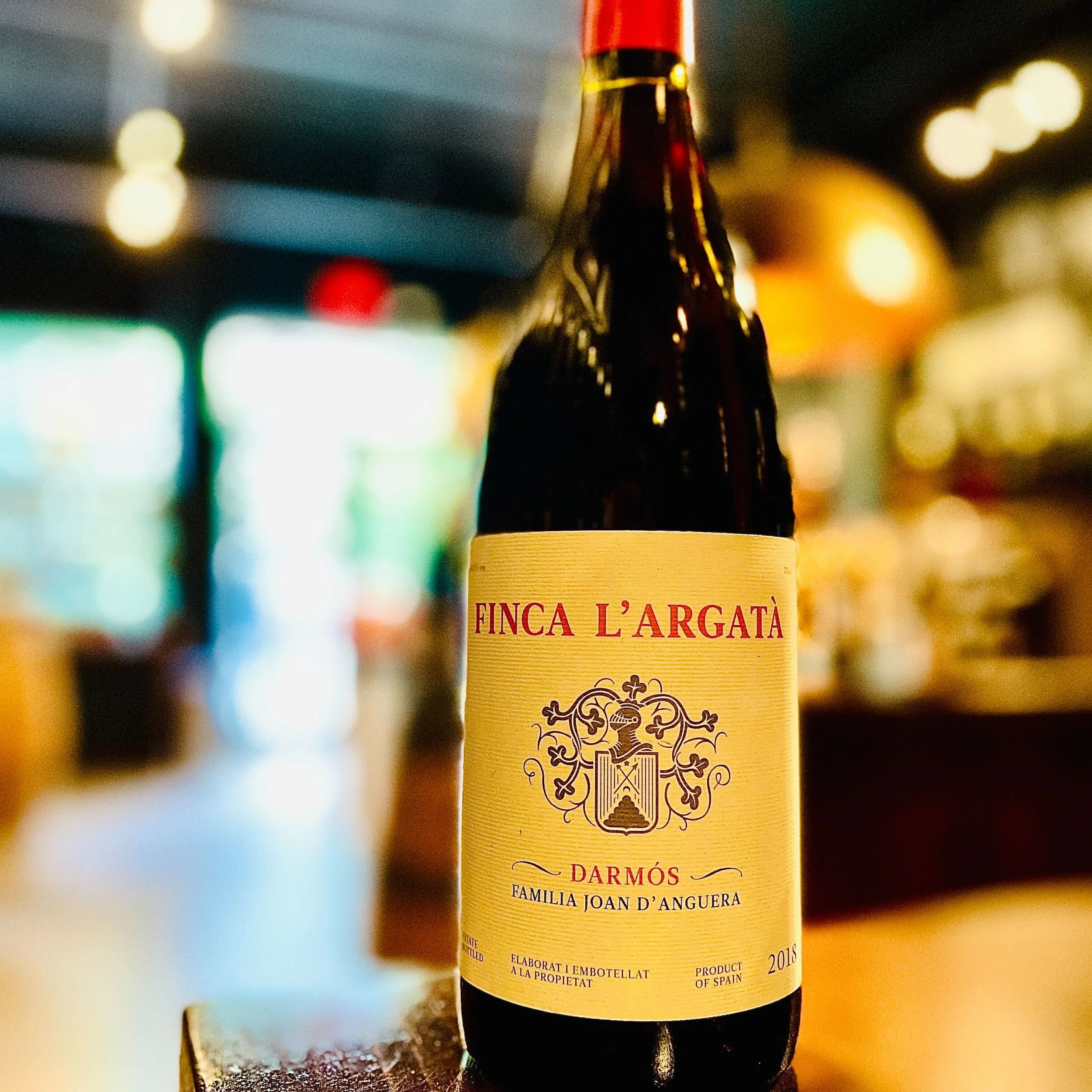
Joan d'Anguera “Finca l'Argatà”
If you haven’t tasted Finca l’Argata for a few years you might find yourself surprised how this cuvée has evolved to reflect the new minimalist style at Joan d’Anguera. Once a blend of Garnatxa, Syrah and Cabernet Sauvignon and aged in new wood, Finca l’Argata is now pure Garnatxa sourced from sandy clay and limestone soils from head-pruned vines ranging in age from 40-60 years old. It is fermented whole cluster in concrete and aged well-seasoned French oak barrels.
Table Five: America
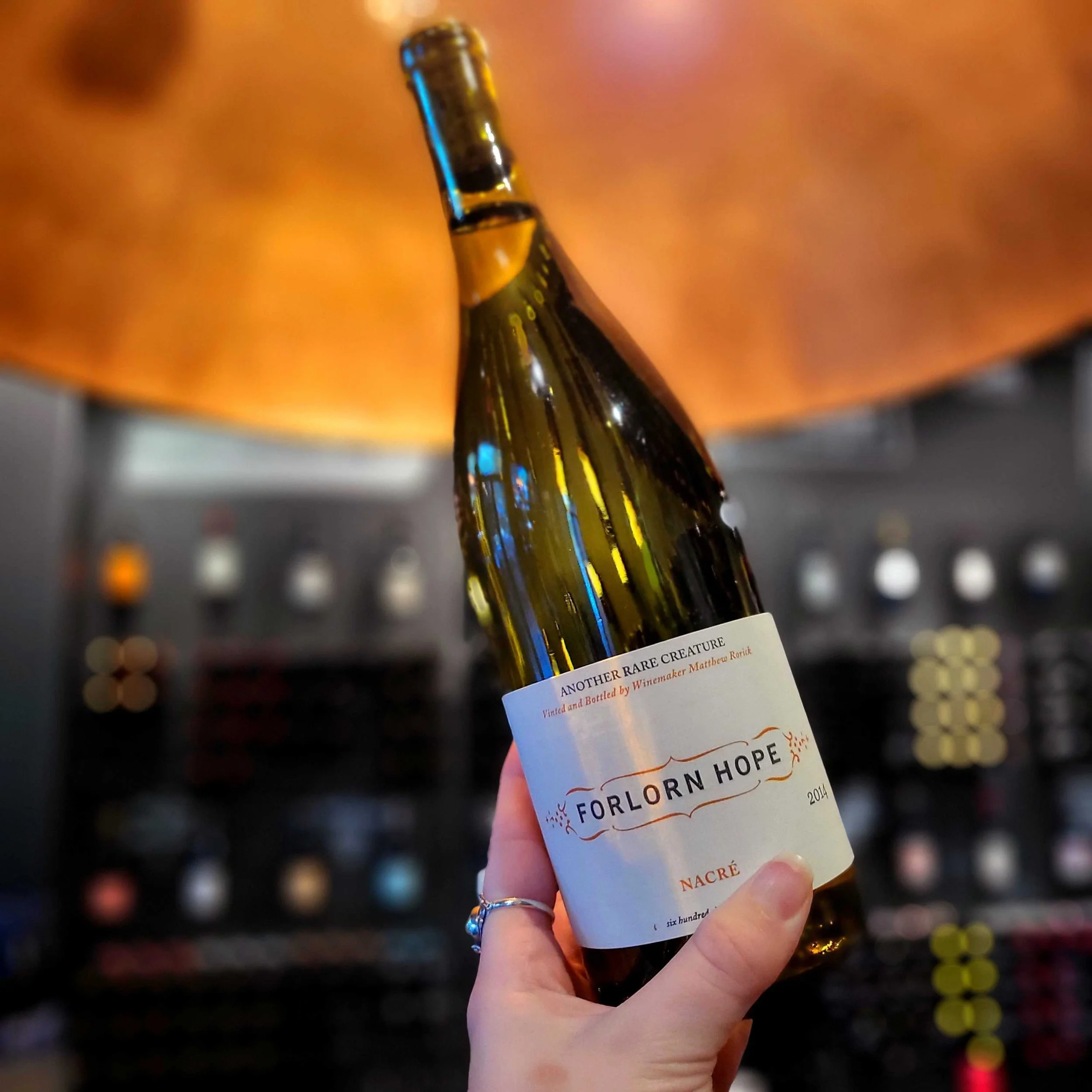
Forlorn Hope “Nacre”
The Nacré is produced in the same fashion as the Sémillons of Australia’s Hunter Valley and is capable of decades of aging. The wine bears the name Nacré -- meaning mother-of-pearl -- as a testament to its affinity for pairing with oysters. The fruit for the 2014 Nacré was hand-picked and pressed whole cluster, and underwent spontaneous/native fermentation in stainless steel. Racked off lees at the completion of ferment, the wine was bottled in June of 2015 in order to allow the significant portion of the wine’s aging and development to occur under cork. To this end, it was aged six+ years in bottle prior to its release.
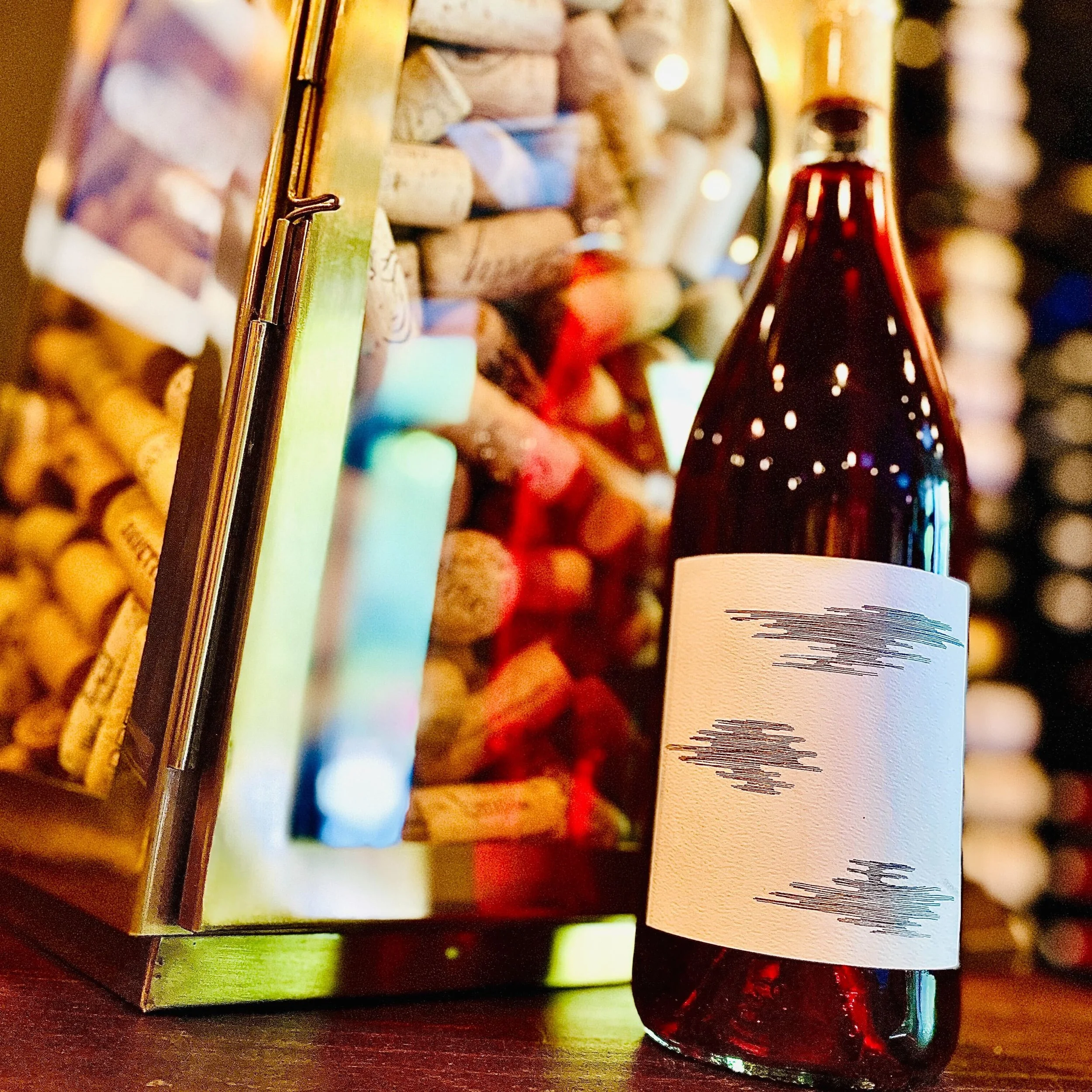
Broc Cellars “Amore Blendo”
“We picked the Sangiovese, Dolcetto and Sauvignon Blanc all on the same day. The three varieties fermented together whole cluster, layered alternating each variety until we reached the top of our stainless steel tank and sealed it. The next week we picked the Montepulciano and Trebbiano together. The grapes were layered whole cluster then we sealed the stainless tank where true carbonic fermentation occurred! We pressed the wine to age in concrete tank. Amore Blendo walks the line between a dark rosé and a fresh light red. We recommend chilling it down to enjoy.”
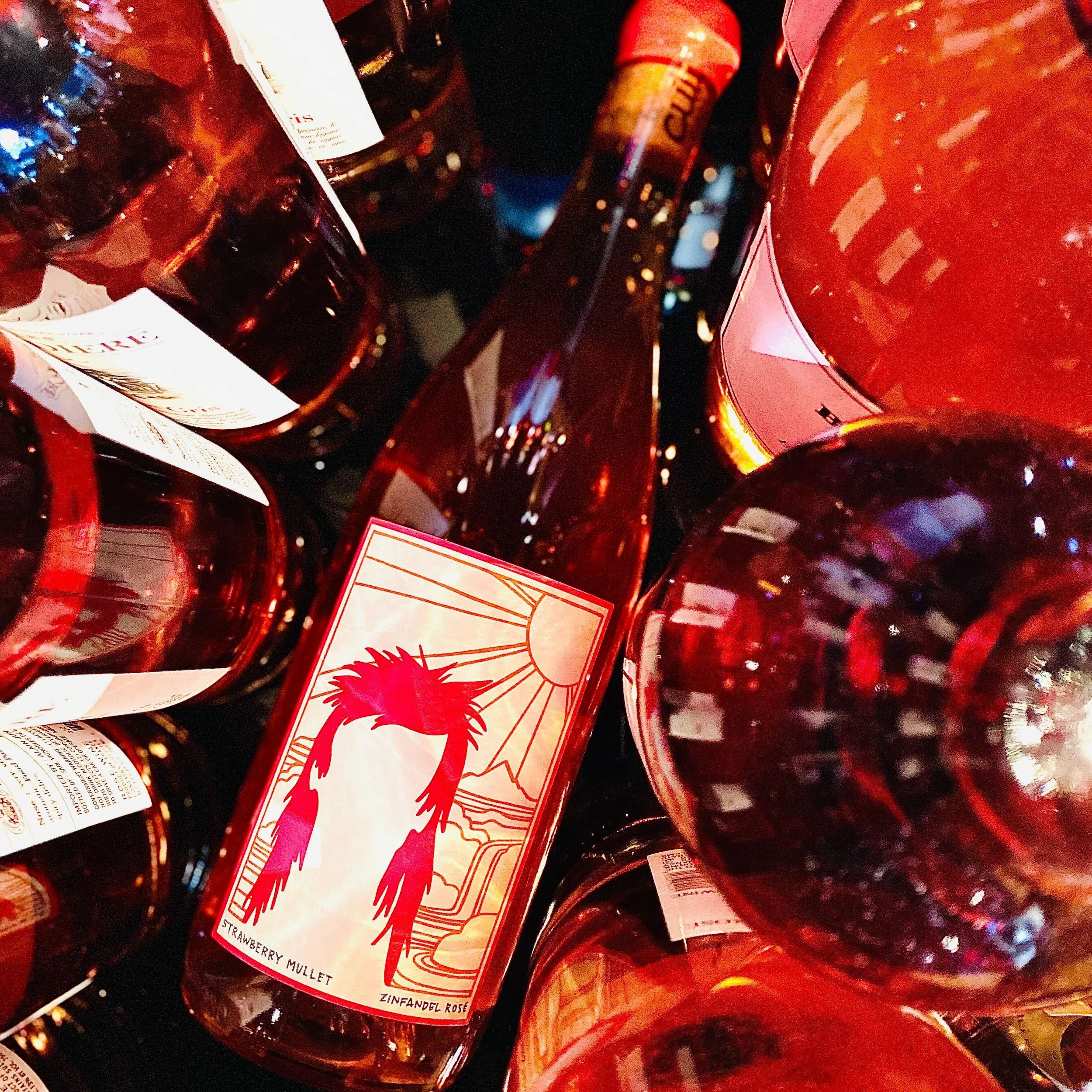
Cutter Cascadia “Strawberry Rosé”
The Zinfandel in 2021 was stressed from early in the season with frost all the way to the historic heat wave during bloom, both of which drastically affected yields. It was the earliest vintage for Zinfandel to date coming in on September 6th, and last year, for example, it came in on September 27th for the same pick and with ultimately similar results from a wine chemistry standpoint (get used to this narrative while talking about the 2021’s in the Gorge). We dodged the fires though this year and what fruit we had was clean and delicious. At the winery, we pressed the fruit whole cluster direct press and allowed the juice to settle in tank for two days before racking to barrel for fermentation. Once in barrel on its fine lees it remained until spring and was bottled on April 27 & 28th without fining or filtration.
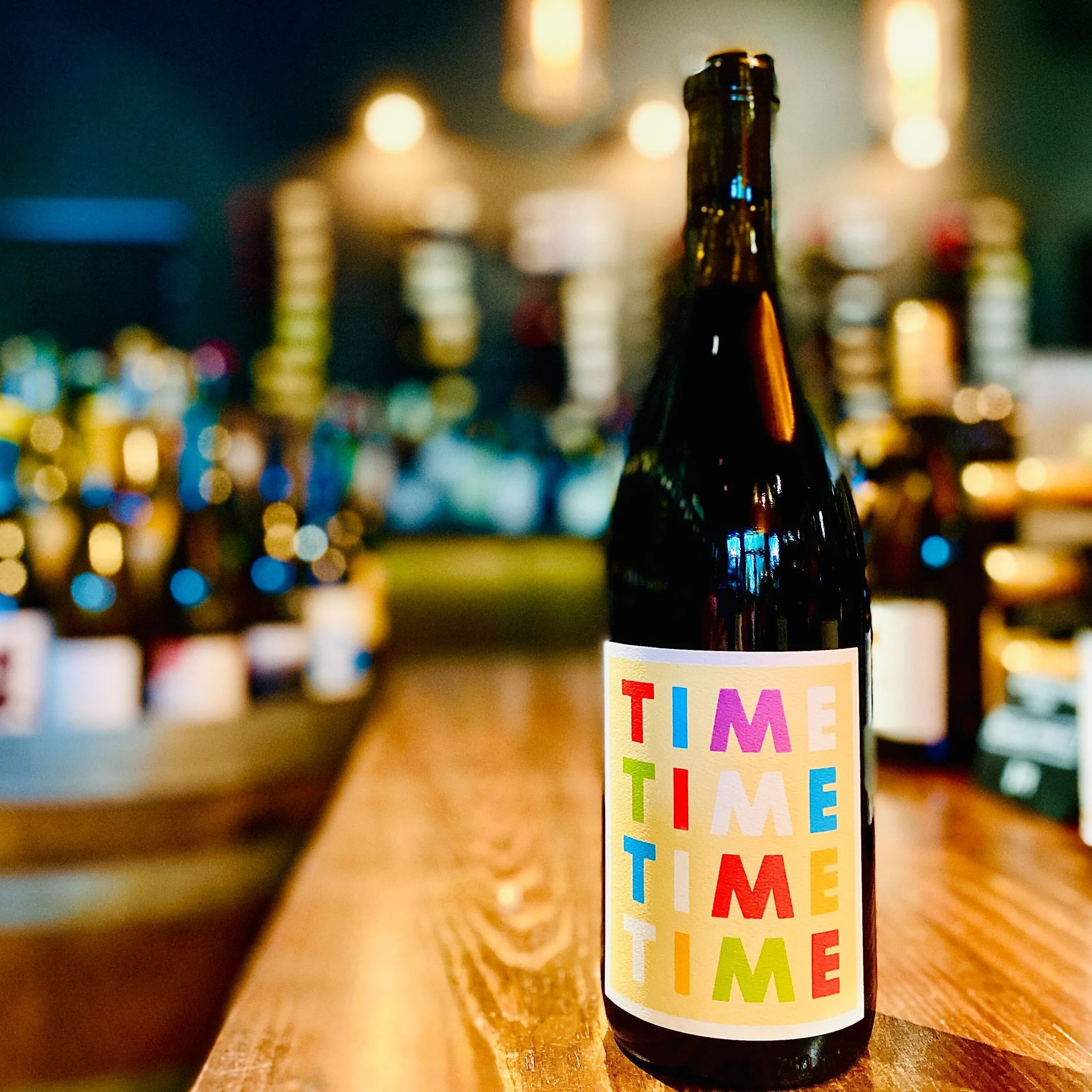
Bow & Arrow “Time Machine”
Our cellar’s non vintage, daily drinker. This years rendition features a blend of Pinot Noir, Gamay and Cab Franc, that has spent time in a combination of stainless steel and neutral oak. “Bow & Arrow uses a different template to explore this different, simpler side of the Willamette Valley. Instead of Burgundy, we pay homage to the refreshing and decidedly working class wines of France’s Loire Valley.”
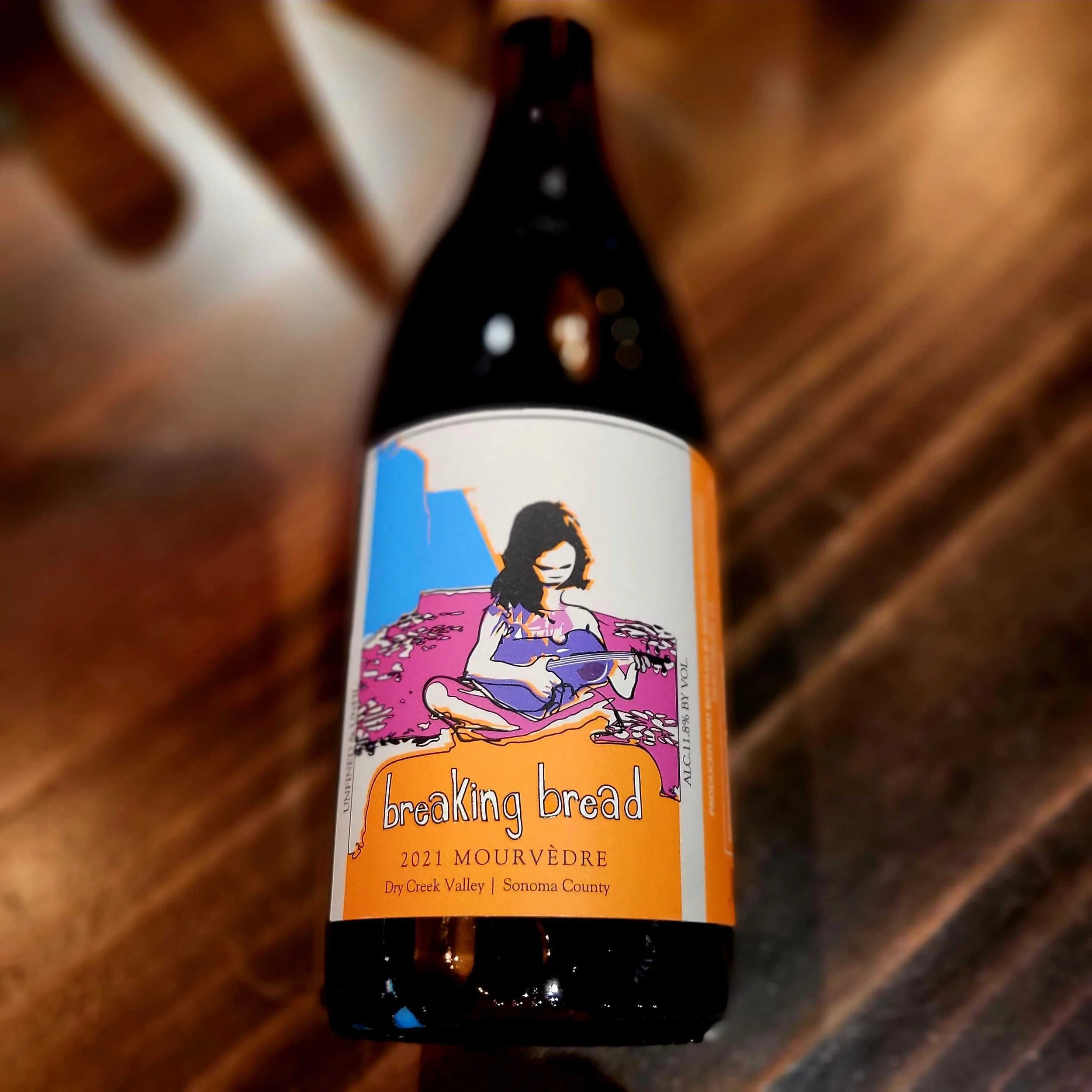
Breaking Bread
Mizany Vineyard is a 16-acre estate vineyard planted in the famous Cortina Gravel of Dry Creek Valley.. It is farmed organically and is currently going through the certification process. The Mourvèdre comes from a 4-acre block, planted to two different clones. “The style of our red wines is defined by a flavor profile that is synonymous with carbonic maceration, or whole cluster fermentation. In part this is because by keeping the grapes in their complete natural form as they come off the vine, with no destemming, the stem becomes part of the fermentation process and final product. As it turns out, the stem adds a piece of chemistry that is needed for balance in these wines because we pick the fruit less ripe, with lower sugar, so it has lower alcohol but higher acidity. The stems help balance out that acidity by bringing potassium (which is a base) into the mix.”