
Gimme Some Skin
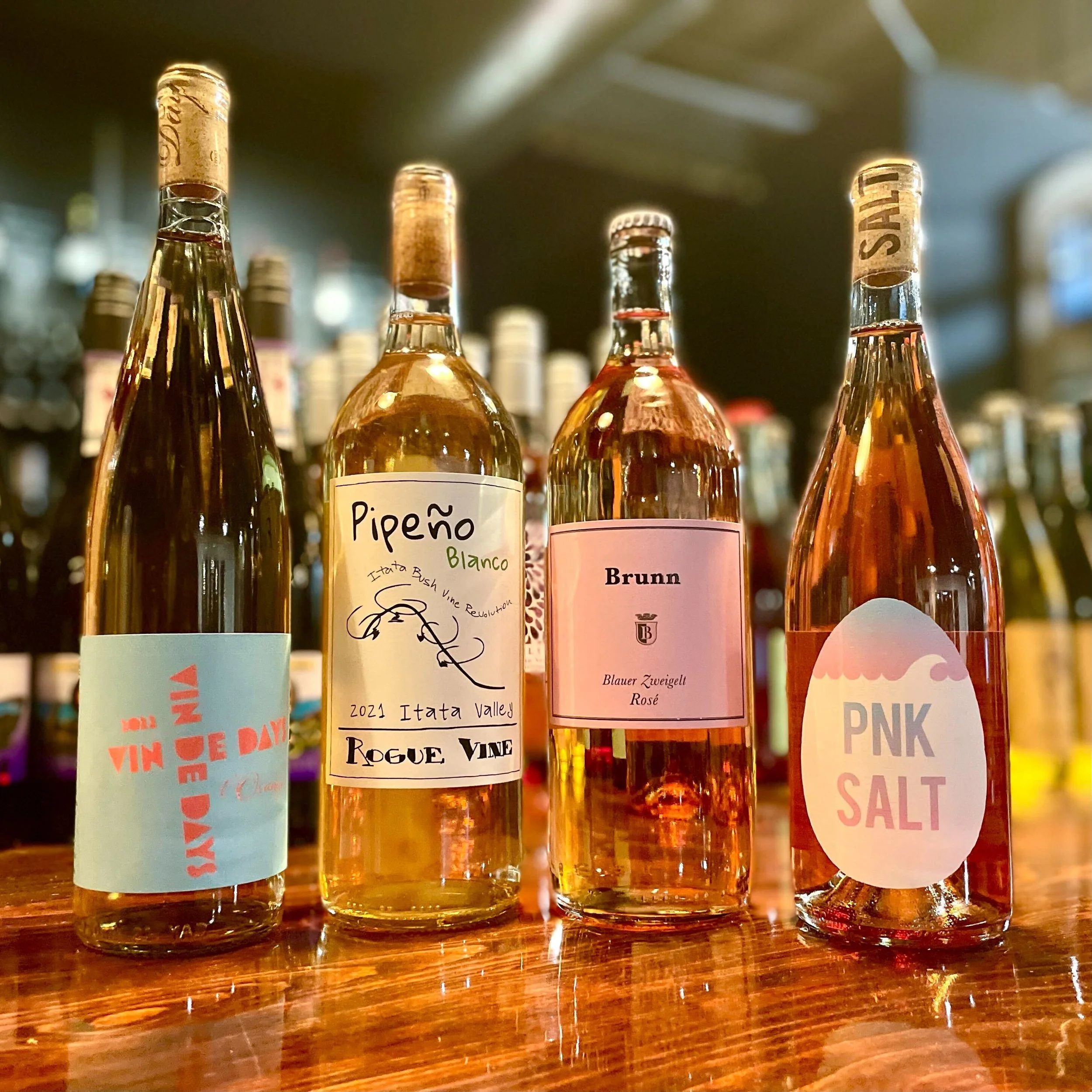
From Orange Wine to Rosé, experimenting with skin contact has been a part of the winemaking process for centuries. Whether it is leaving the skin on white grapes longer to make the hue orange, or removing the skins of red grapes early, to make that beautiful pink wine, it is always fun to explore the wonderful iterations of skin-contact wine.
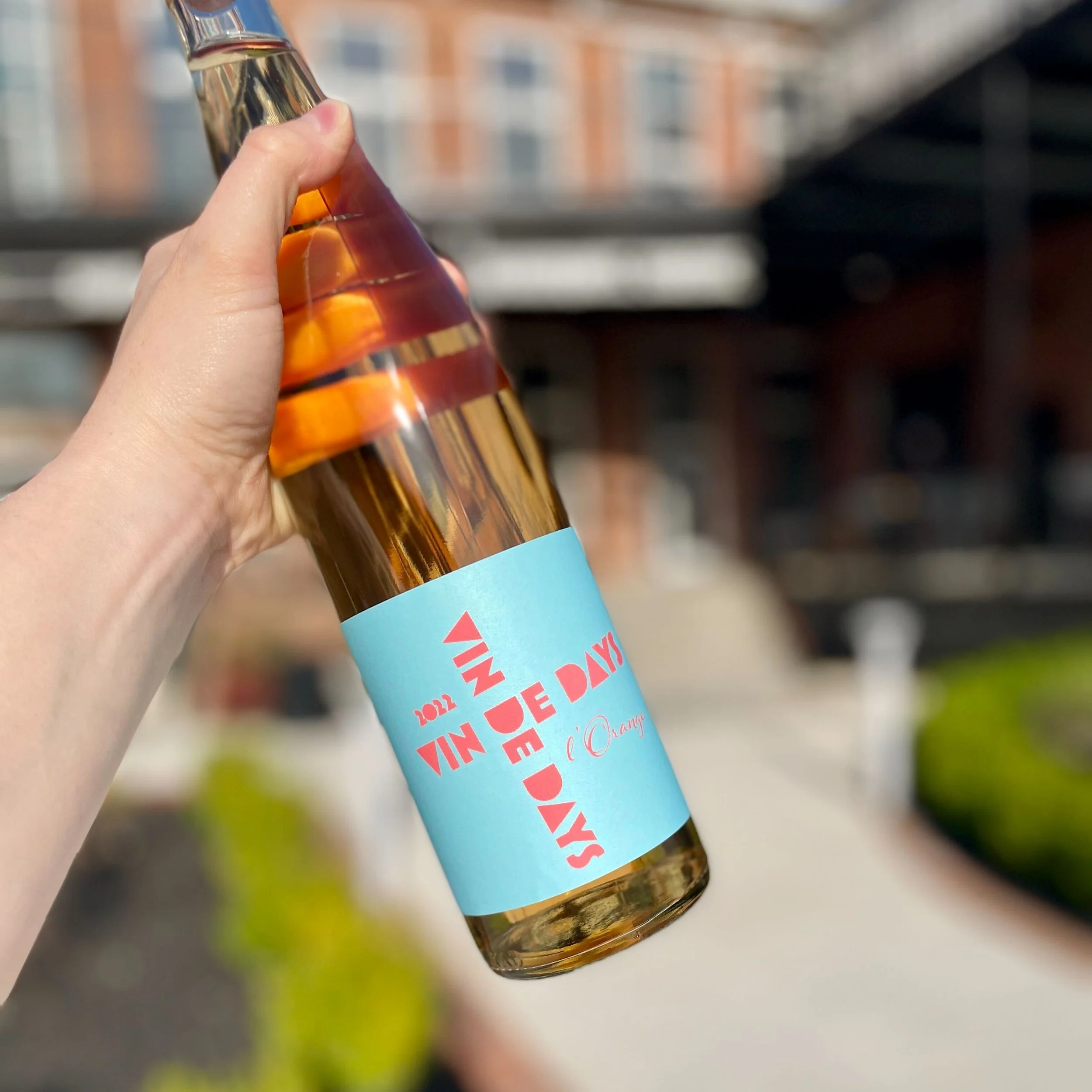
Day Wines l’Orange
Grapes: 36% Müller-Thurgau, 33% Gewürztraminer, 24% Reisling, and 7% Pinot Gris
Place: Willamette Valley, Oregon
Process: Grapes are destemmed with all varietals co-fermented from the outset. Fermentation kicks off spontaneously. They keep the wine fermenting on grape skins throughout primary fermentation, until dry—about three weeks of skin-contact time—which builds structure and enhances the depth of the wine’s eventual aromatic and flavor profiles. When dry, the wine is racked and pressed into neutral oak barrels to age for four months, where it completes malolactic fermentation. This wine is unfined and unfiltered, and only a minimal amount of sulfur is used just before bottling.
Family: In 2006 Brianne Day sold everything she owned and began traveling through wine regions all over the world. Over the following eight years she visited around 80 different regions, working at wineries in Burgundy, Argentina, Australia, and New Zealand. During this time, she re-established her home base in Oregon and worked at a number of wineries including The Eyrie Vineyards and Brooks.
In 2012 Brianne started her own winery with some Pinot Noir grapes from the 15-acre, dry-farmed Crowley Station Vineyard in the Eola Amity Hills. The inaugural vintage was only 125 cases and sold out quickly. On the strength of that single bottling she was invited to the RAW fair in London and was one of only seven American wineries mentioned in Isabelle Legeron’s recent book, Natural Wine, alongside Edmunds St. John and Arnot Roberts.
Day Wines believe the character of Oregon wine is defined by the incredible diversity found in the various growing regions spread across the state. From Applegate Valley in the south to Yamhill-Carlton in the north and numerous AVAs in between, we seek and work with growers who are committed to stewardship of the soil and the vine through biodynamic and organic practices. These people are the backbone of our business, and we are proud to call them partners and friends.
Bottle: $29 | Glass: $13
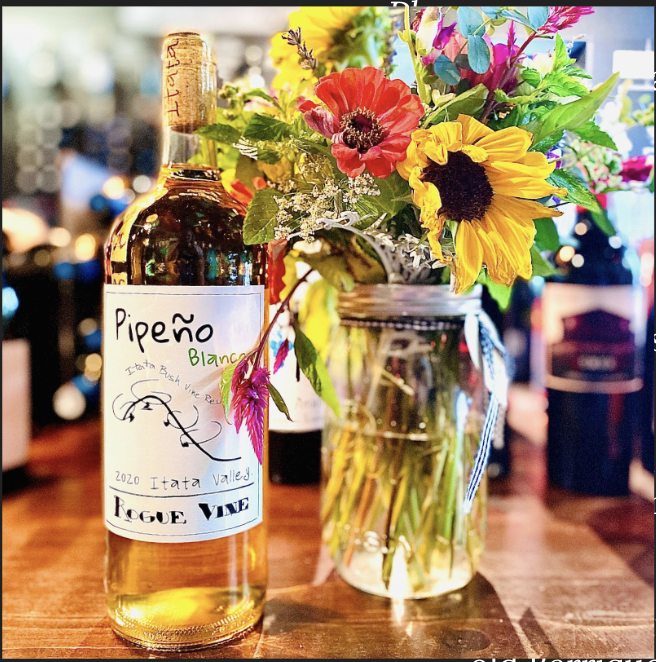
Rogue Vine Pipeño Blanco
Grapes: 50% Semillon, 45% Chasselas, 5% Moscatel
Place: Guaralihue, Itata, Chile
Process: Fermented with skin contact for 18 days in concrete and old barrels. Aged for 8 months in Concrete Spheres and old Barrique. Bottles unfiltered and unfined,
Family: Leo Erazo and Justin Decker started Rogue Vine in 2011 in a one-car garage in Concepcion, Chile. This duo met while teaching at the University of Concepcion. At Rogue Vine, they make wines from the Nipas and Guarilihue subregions of the Itata Valley. All the vineyards are composed of hillside, dryfarmed bush-vines that are a minimum of 60 years old, with some over 100 years old. The soils are primarily comprised of decomposed granite with a mix of clay and quartz. The winemaking is simple and employs native yeast, concrete globes, old barrels, no corrections, with minimal or no sulfur prior tobottling. Itata Valley’s viticulture is primarily practiced through horse plowing and hand farming. Part of Rogue Vine’s focus is to promote the rich culture and history of this long neglected and rural farming community. Leo is also the winemaker for Altos Las Hormigas in Mendoza, Argentina and Justin is an expat from Indiana who got bit by the wine bug and started a family in Chile.
Bottle: $23 | Glass: $10
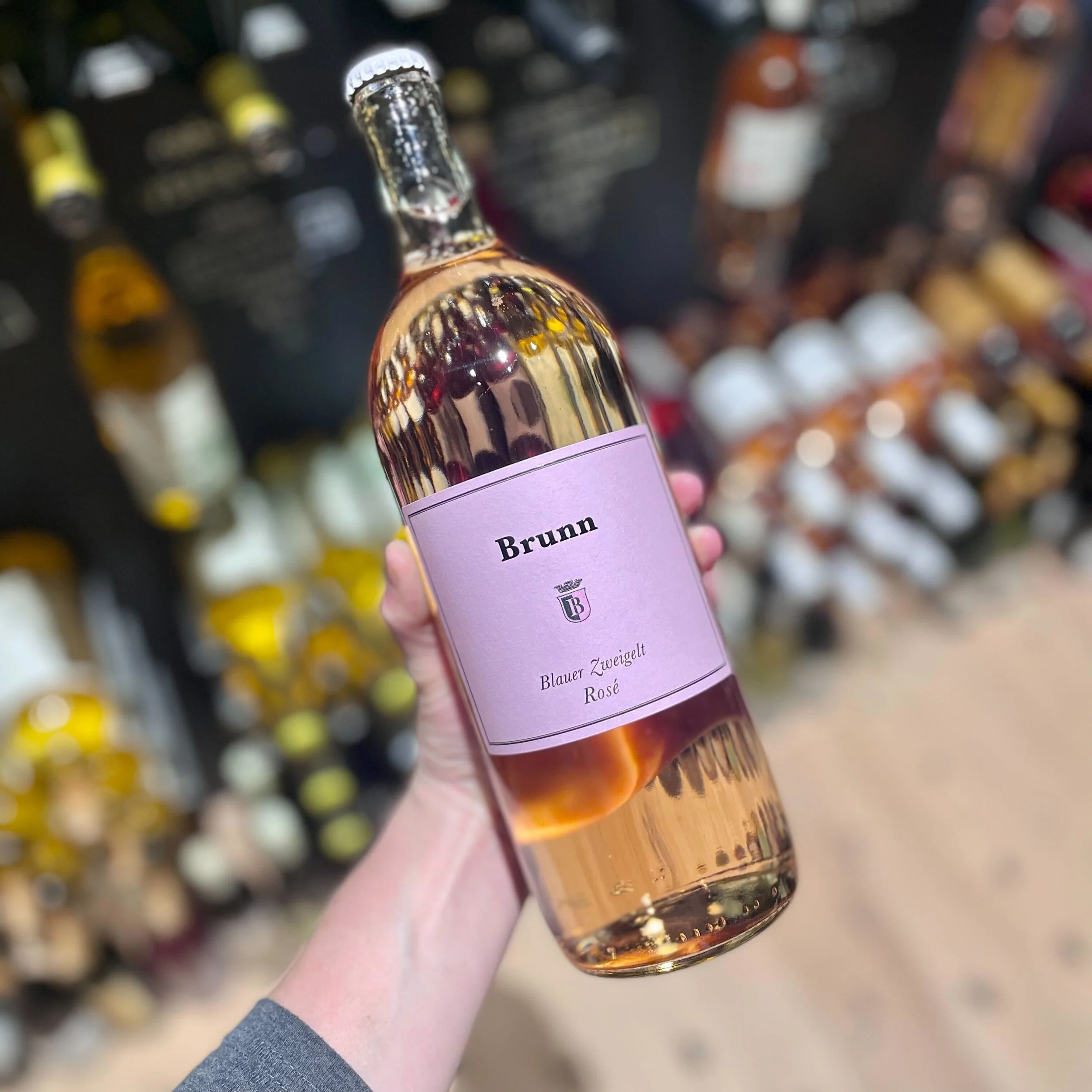
Brunn Rose
Grapes: 100% Blauer Zweigelt
Place: Niederosterreich, Austria
Process: Grapes are hand harvested and fermented with minimal skin contact before aging shortly in stainless steel.
Family: Just north of the Danube, in Kamptal, resides the small family owned and run winery producing Brunn. Winemaker Karl Steinschaden and his family are dedicated to traditional practices, completing the harvest 100% by hand in small cases. The old estate vines produce low yield with very high quality grapes. The character of the wine is defined by the soil of the vineyard and the climate of the region. An optimal climate leads to wines of elegance while preserving the unique flavors of the grapes. Brunn practices traditional fermentation in small tanks using native yeasts to enhance the beautiful typicity of its vineyards. Below the winery lies an old, historic subterranean cellar where the wines mature in perfect conditions. Both oak barrels and large neutral vats are used to avoid the wood overpowering the wine. The winery owns the oldest traditional basket press in this part of Europe, dating back to 1564 A.D and originally used by the Benedictine Abby of Gottweig near Krems..
Bottle: $21 | Glass: $9
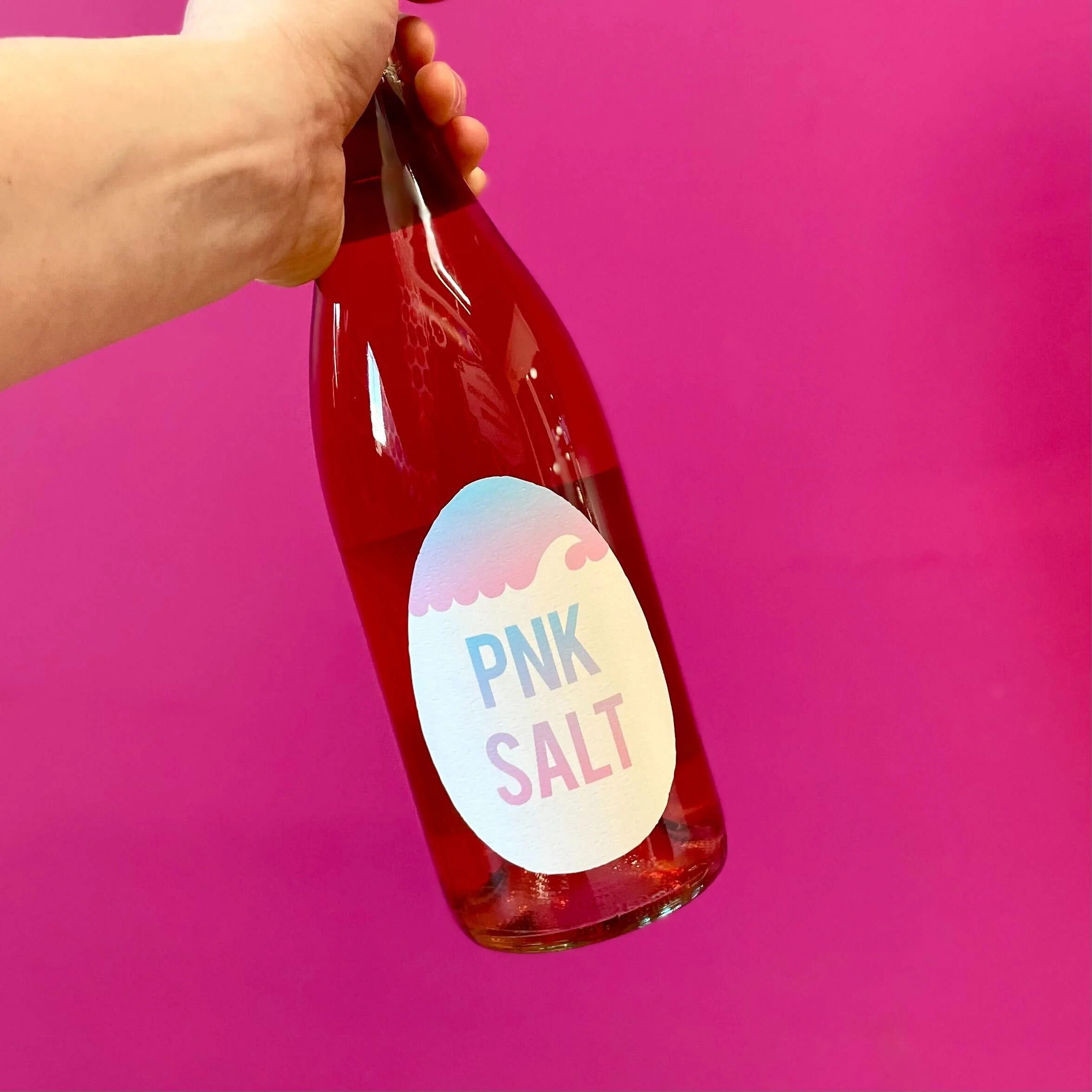
Ovum Wines PNK Salt
Grapes: 98% Cabernet Sauvignon and 2% of Ovum's "Big Salt" white blend is added (a blend of Riesling / Gewurztraminer / Early Muscat / Sauvignon Blanc)
Place: Willamette Valley, Oregon
Process: • Single vineyard in Columbia Gorge AVA planted in 1983. Grapes are destemmed and soaked 8 hours on skins before a light pressing. Native yeast fermentation with full malolactic fermentation completed. Bottled unfined and unfiltered.
Family: Established in 2011 by Ksenija and John House, Ovum was founded in hopes of producing Oregon wines that are honest reflections of time and place. Our low intervention production method is a commitment to letting the vintage and vineyard shine, not the vintner. Fruit comes first - our top priority is finding farmers that share our beliefs, and then getting out of the way so their hard work can be tasted.
Native ferments, no subtractions or additions, except for SO2 - extended lees contact 8-9 months, for textural complexity. All of this is done in neutral barrels of acacia and oak, as well as cement egg and Austrian cask. Ovum is committed to the exploration of Oregon’s wine growing regions by producing transparent wines of place. We remain open minded to embracing the diversity of Oregon, and will offer small production red wines given the time and place.
Bottle: $25 | Glass: $11