
Welcome to the ITP x OTP Collaboration Dinner! You will find more information on each of the wines for this dinner below.
We are very excited to be a part of this unique event! All of the wines here have been chosen by Fermented and all of the wines at Fermented are from smaller family wineries and have less additives. We hope you enjoy the wines and the food and how they compliment each other.
All of these bottles are available to purchase and any orders made tonight are eligible for a 10% discount using the code Foundation at checkout. They will be available to pick up in our store Friday after 3PM. Cheers!
~ Adam
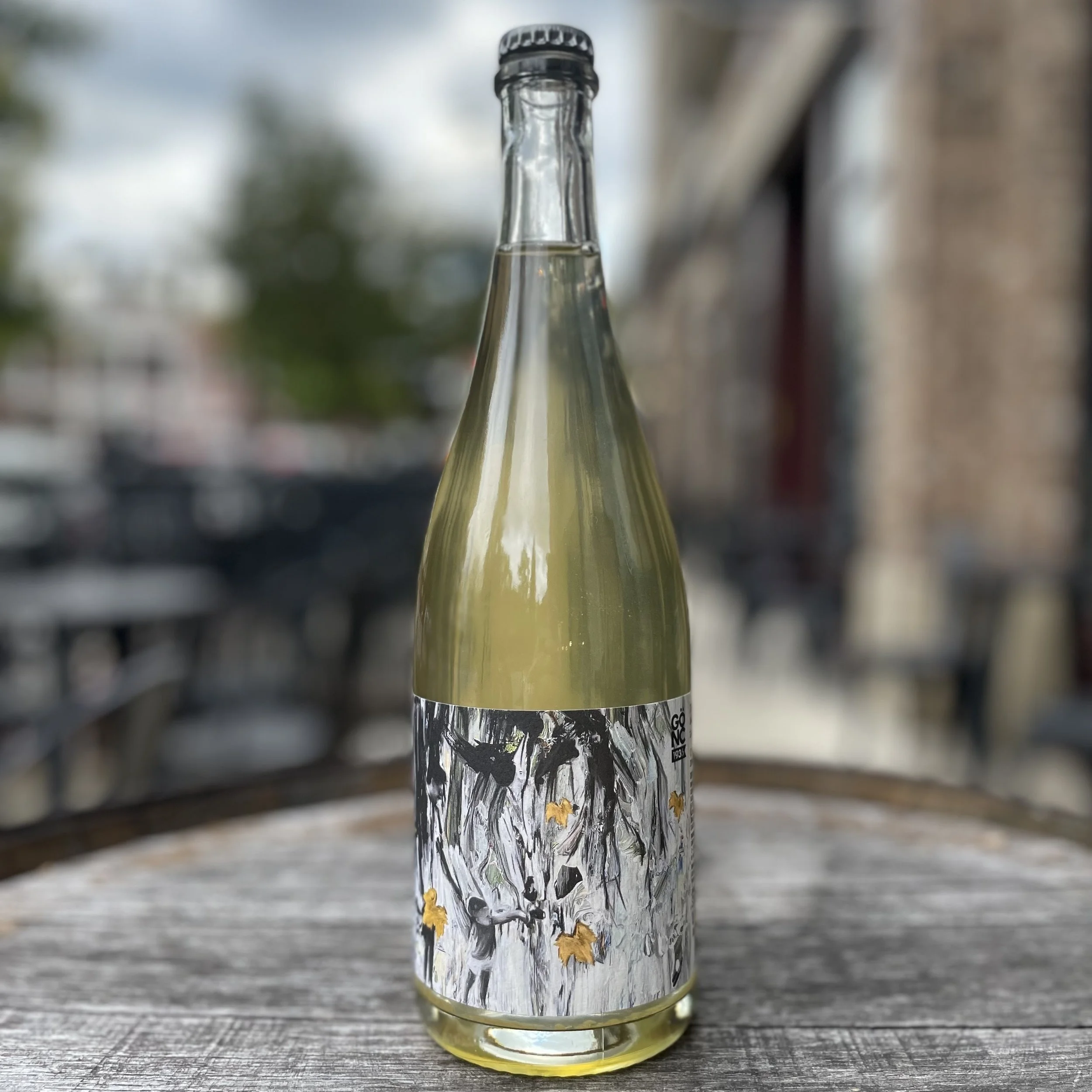
Gonc Winery Canvas Pet Nat
Grapes: 100% Pinot Blanc
Place: Štajerska -Slovenia
Process: The vineyard site for these vines has sandy soil, rich in marl with vines between 20-55 years old. Low yield farming with the vines all pruned to a single guyot. The vineyard sits between 820-1300 feet in elevation and practices organic and natural farming.
The bubbles are made naturally with the paused fermentation method known as petillant natural or pet nat for short. The fermentation is paused halfway through the process and then re-started under cap in the bottle.
Family: Gönc winery is a family tradition going back to 1936, when Peter Gönc’s great grandfather built their first wine cellar and planted the vineyard around it in the small town of Dobrovnik in Slovenia. After World War II, his grandfather moved to the city Ptuj where he started working in the Ptujska Klet, or Ptuj wine cellar, as a cellar cleaner and worked his way up to head winemaker and CEO of the oldest winery in Slovenia, now known as Pullus.
Peter’s father worked at the same winery, but on the side he also planted 24 acres of vineyards to keep up the family tradition (now 28 acres total). When Peter came of age they built a new cellar in Ptuj and started Gönc again. Peter is the 4th generation of winemakers and winegrowers in the family. Farming is organic, and all the wines receive little to no added sulfites at bottling.
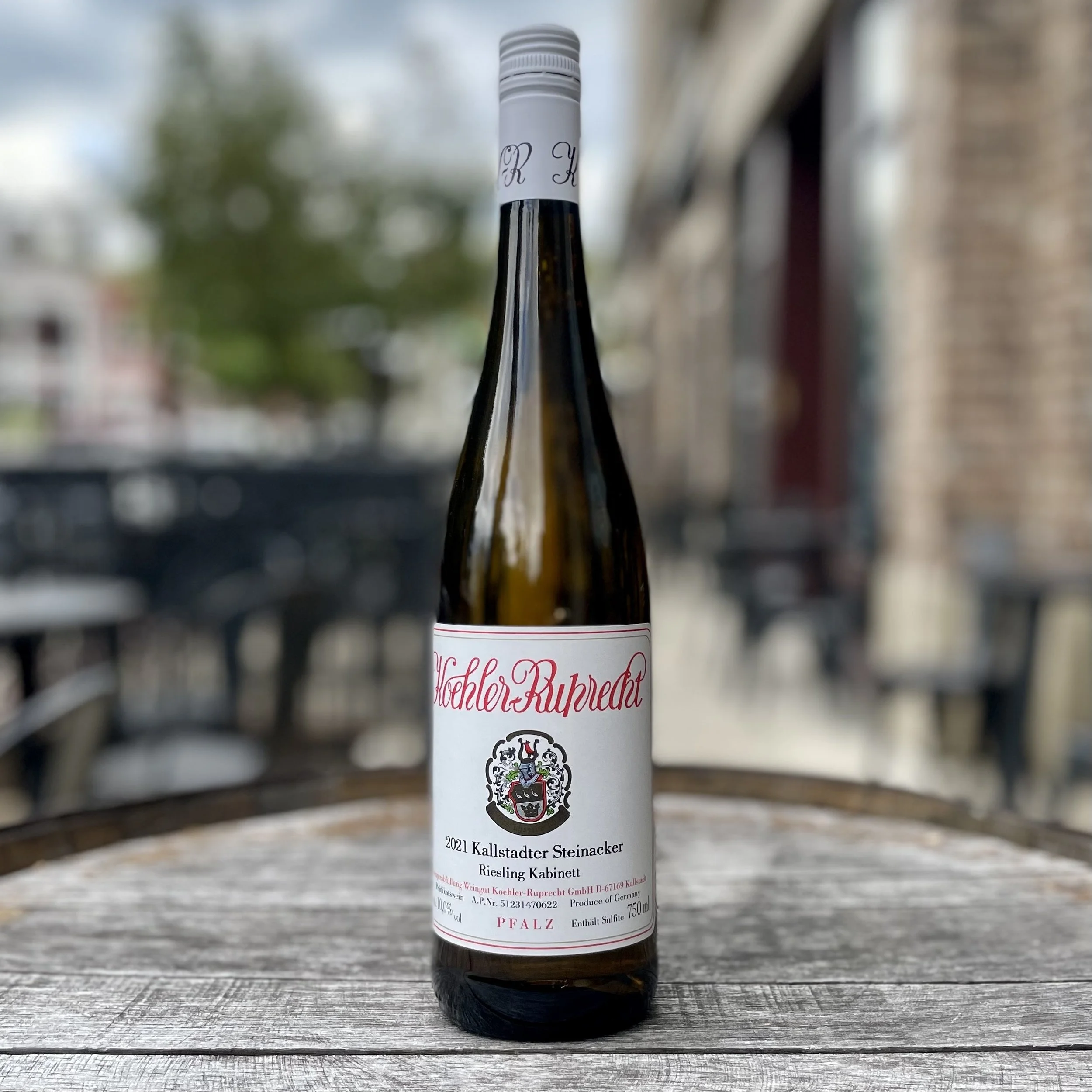
Koehler-Ruprecht Riesling Kabinett Kallstadter Steinacker
Grapes: 100% Riesling
Place: Pfalz - Germany
Process: One of the very few wines with sweetness produced at Koehler-Ruprecht, and a predictably fine one! Steinacker translates to the "stony acre,” a sandstone+loess site characterized by pebbly rocks. Its borders were over-expanded for political purposes (like many famous sites) by the 1971 law, but Koehler-Ruprecht owns the original, high-quality heart of it. Spontaneously fermented on natural yeast and aged exclusively in stuck (1200L) and halbstuck (600L) = large old barrels.
Vivacious and intensely delicious with a ramrod-straight spine and terrific chalk/talc mineral aromas that follow through on the palate. Sugars are modest as always (feinherb at under 25g/l), but the ripeness is all there, resulting from golden grapes at harvest. “True Kab,” as the pundits say, which is no mean feat to achieve in the Pfalz. There are only about 180 cases of this in existence, so do what you have to do to secure some.
Family: This historic estate, long managed by the legendary and larger-than-life Bernd Philippi, was purchased in 2009 and since 2011 has been in the dedicated hands of Dominik Sona. He and his cellar master Franziska Schmitt are intensely hard-working and strictly honor the arch-traditional style of this beautiful, centuries-old cellar.
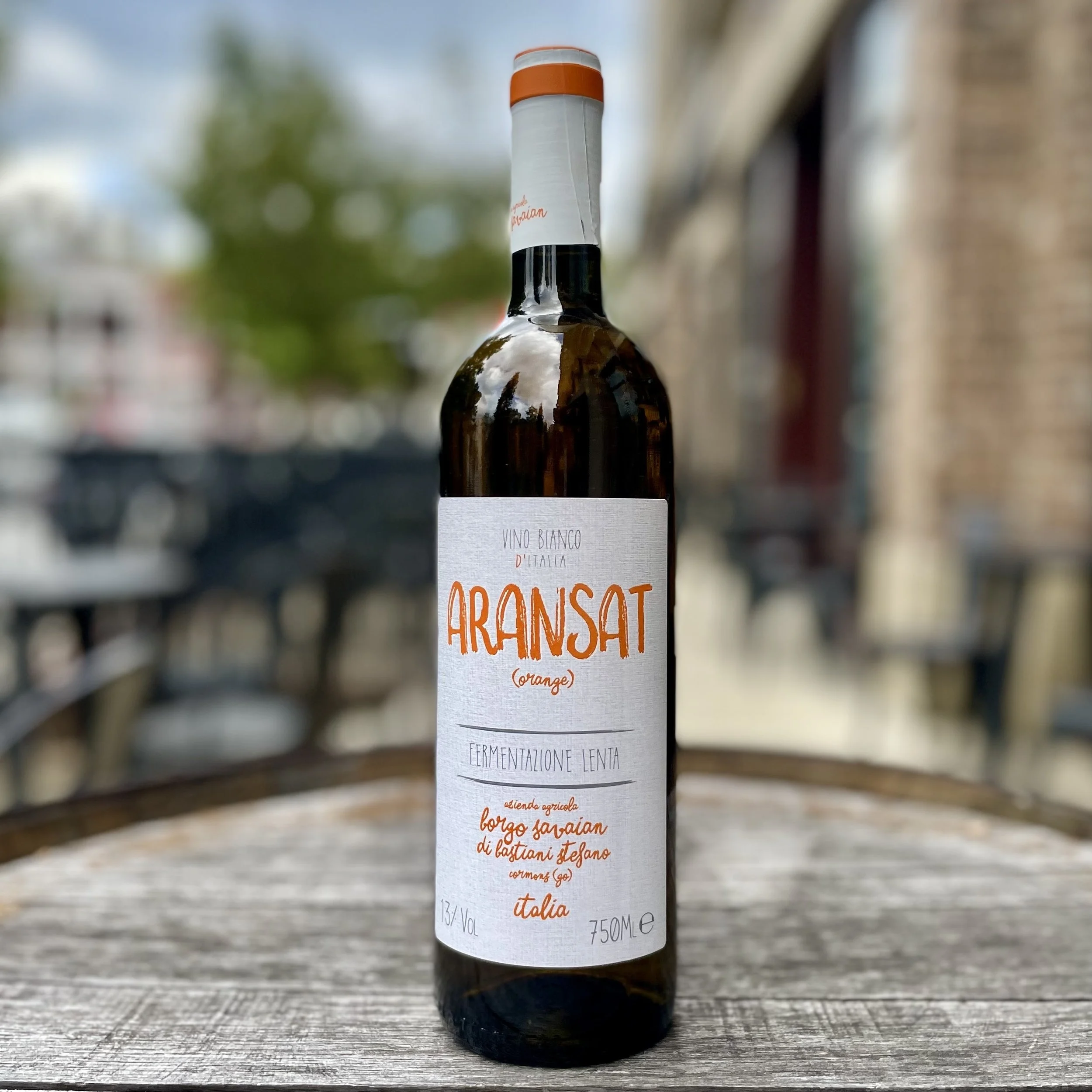
Aransant
Grapes: Field blend of 13 white grapes
Place: Friuli - Italy
Process: Field Blend of traditional varieties from Friuli is key to a unique style.
Eighteen hectares of vineyards along the side of Mount Quarin; an area that is particularly suited to grape-growing, where the characteristic flysch of the Collio region encounters the first gravels of Friuli’s plains.
An encounter that is expressed in the sensory profile of the local wines. Fragrance and liveliness meet with and in the structure and essence.
Family: Ours is a village on a human scale. The rhythm of nature and events marks the way of life and work here. This is a place where the people are as genuine as the land and the vineyards that surround it.
Here, the Bastiani family three generations with ties to the land and the local area, Cormòns.
More information
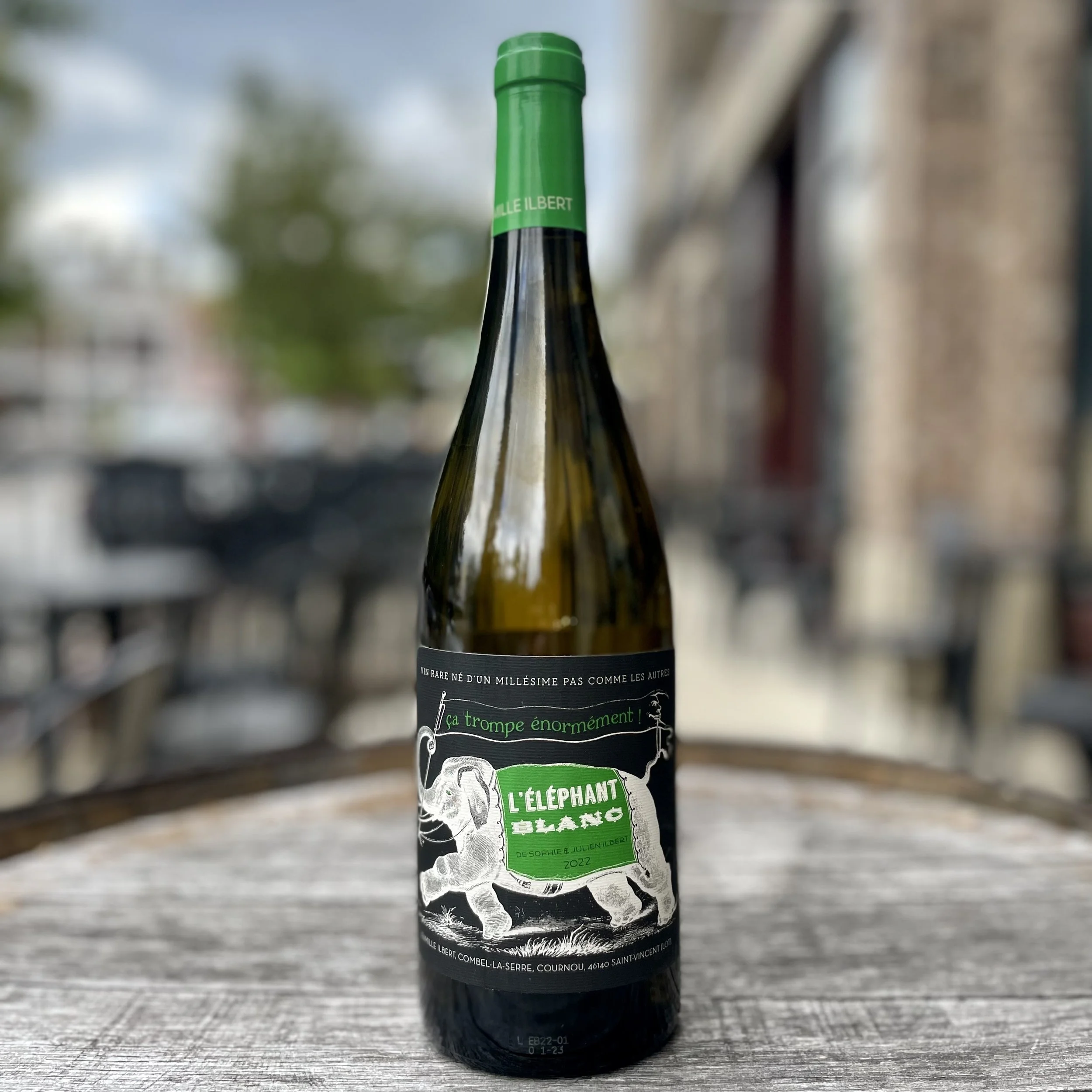
Combel La Serre ‘L’Elephant’
Grapes: 100% Vermentino
Place: Cahors - France
Process: Organically farmed, fermented & aged in stainless steel. Native yeast fermentation and traditional winemaking practices.
Family: Julien Ilbert is a young, charismatic vigneron with a fresh perspective on his native Cahors. Vines have been in the Ilbert family for generations, though grapes had always been sold to the local cave coopérative. In 1998, Julien decided to break off and start his own estate.
Chateau Combel La Serre is certified organic as of the 2015 vintage, but chemicals have not touched the vineyards for quite some time. Everything was conventionally farmed from the advent of such technology, but the death of Julien's grandfather from Parkinsons deeply affected the family's agricultural philosophy. Convinced that the chemicals he'd openly exposed himself day in and day out were at the root of his illness, the Ilbert stopped using these products on their land.
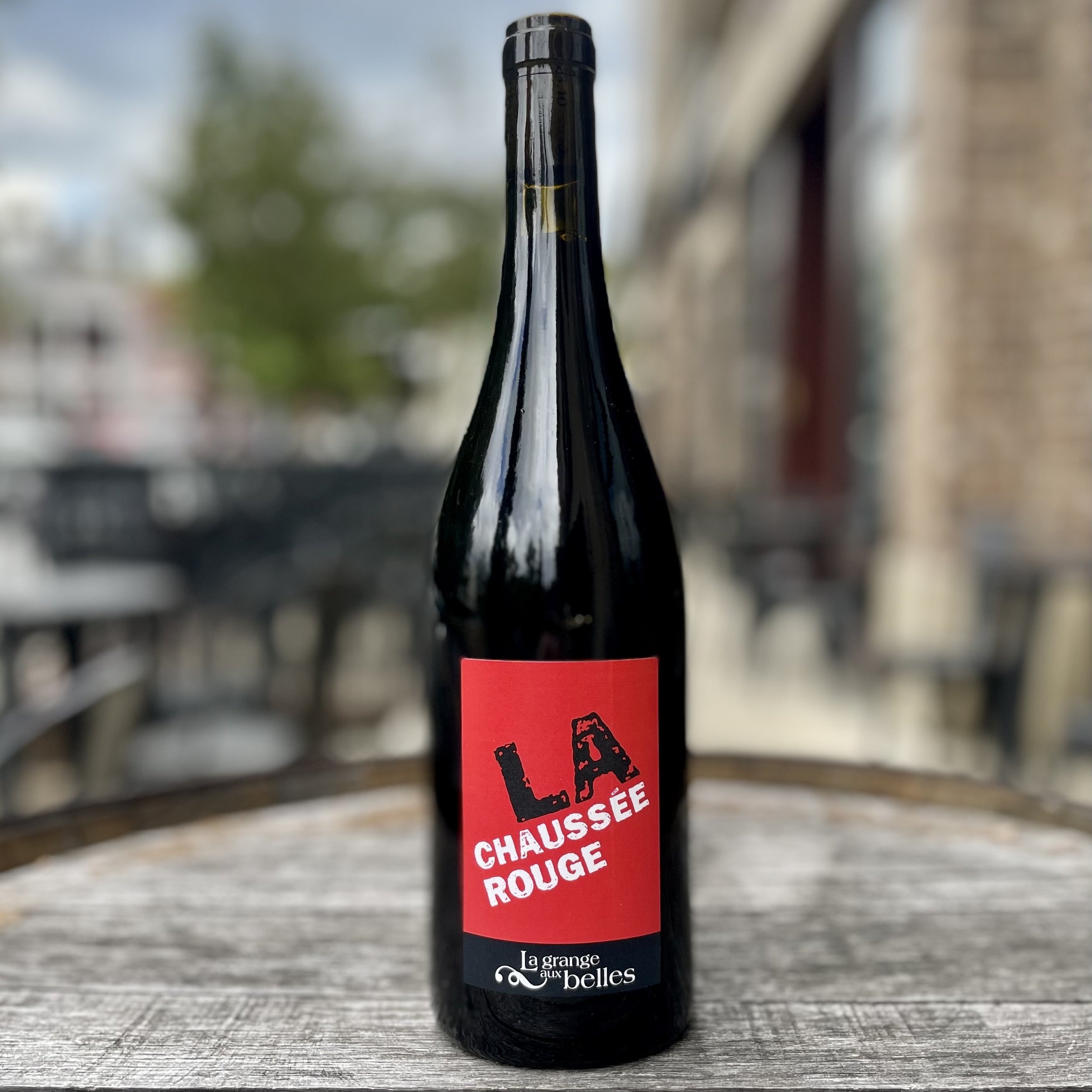
La Grange Aux Belles ‘La Chaussee Rouge’
Grapes: Cab Franc, Groulleau
Place: Cahors - France
Process: Each plot is passed through maybe 5 times, and then the grapes are sorted further on the table.
This is essential for them to not add anything during fermentation. Everything is spontaneous fermentation with native yeasts, and the macerations are kept very short. All the whites see barrel fermentation. The reds are split between stainless, concrete and fiberglass. The soil is what is colloquially referred to as black Anjou, as opposed to white Anjou, just since you get black Schist bedrock rather than the white, chalky parts of Anjou
Family: La Grange aux Belles is a cadre of friends making wine in Anjou, founded by Marc Houtin in 2004. Marc had worked internships all around France, and most notably at Chateau d'Yquem and was interested in making light, wines with short macerations, organically, with minimal intervention... everything we want in natural Loire wine.
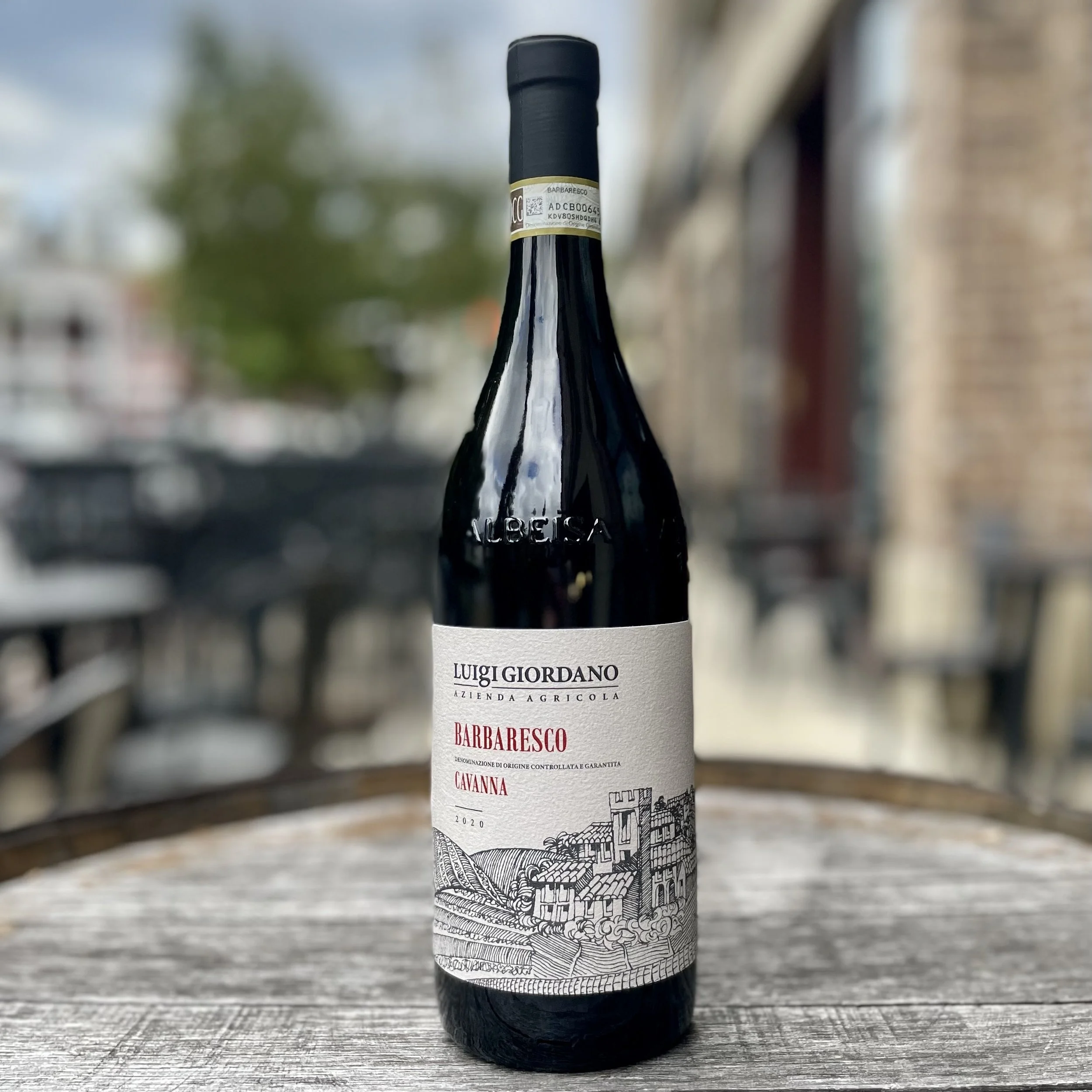
Luigi Giordano ‘Cavanna’ Barbaresco
Grapes: 100% Nebbiolo
Place: Barbaresco - Piedmont - Italy
Process: Maceration 35-40 days, controlled-temperature fermentation in cement tanks with regular pumpover. When fermentation is 3⁄4 complete, for most vintages, submerged cap will be implemented for an additional 20 days for additional extraction of phenolic components. The wines ages at least 30 months, a few more than the regular Montestefano bottling, in large, 25HL, Slavonian-oak barrels that average 10 years old.
Family: Cavanna is the subzone closest to the center of the village of Barbaresco. The exposure is west to southwest and the soils are composed of laminated Sant’Agata Fossili marls mixed with silt. Our vineyard, divided into three parcels, ends at the sheer dropoff of the cliffs along the Tanaro River, whose currents contribute to a unique microclimate.
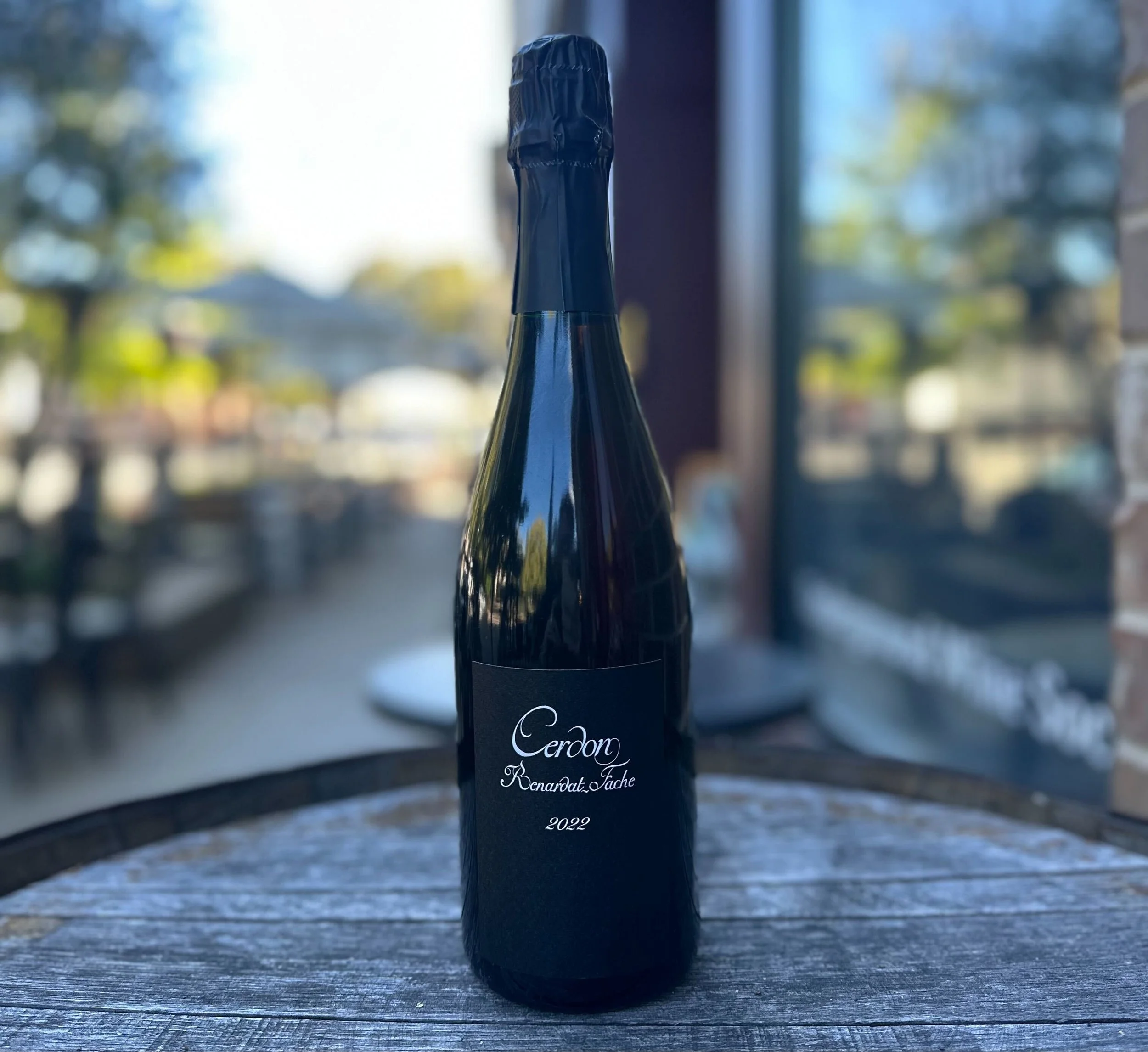
Renardat-Fâche ‘Cerdon’
Grapes: Gamay, Poulsard
Place: Bugey - France
Process: The grapes are picked by hand, pressed and fermented in cold vats until the alcohol reaches about six degrees of alcohol. After a light filtration that leaves most of the active yeast in the unfinished wine, it is bottled and continues its fermentation in the bottle, reaching about 7.5 or 8 degrees of alcohol and retaining a fair quantity of its original sugar. It is more vinous than most Champagne, since there is neither dosage nor addition of yeast before the second fermentation.
Family: After the Second World War, Léon Renardat Fache and his wife Cécile, together with a few other winemakers, developed the vinification process "Méthode ancestrale" to produce the natural sparkling wine Cerdon.
Alain Renardat is a respected vigneron in Cerdon, and was a long-time supplier of Alain Chapel's restaurant in the Dombes. The Dombes, which, like the Bugey, is in the Ain department, is an area of ponds and marshes, known for its fish and small birds. Alain Chapel, who died several years ago, was a chef beloved among chefs, and famous for his love of wine and winemakers. A vigneron selected by Chapel was guaranteed to have great personality and wines. And while the restaurant is now closed after a long run under the helm of Chapel's widow and sons, the winemakers he'd bring together annually to treat them to dinner remain great friends.
Alain, though technically retired for years, is active as ever. Along with his son Elie, they make their Cerdon from Gamay and Poulsard.