
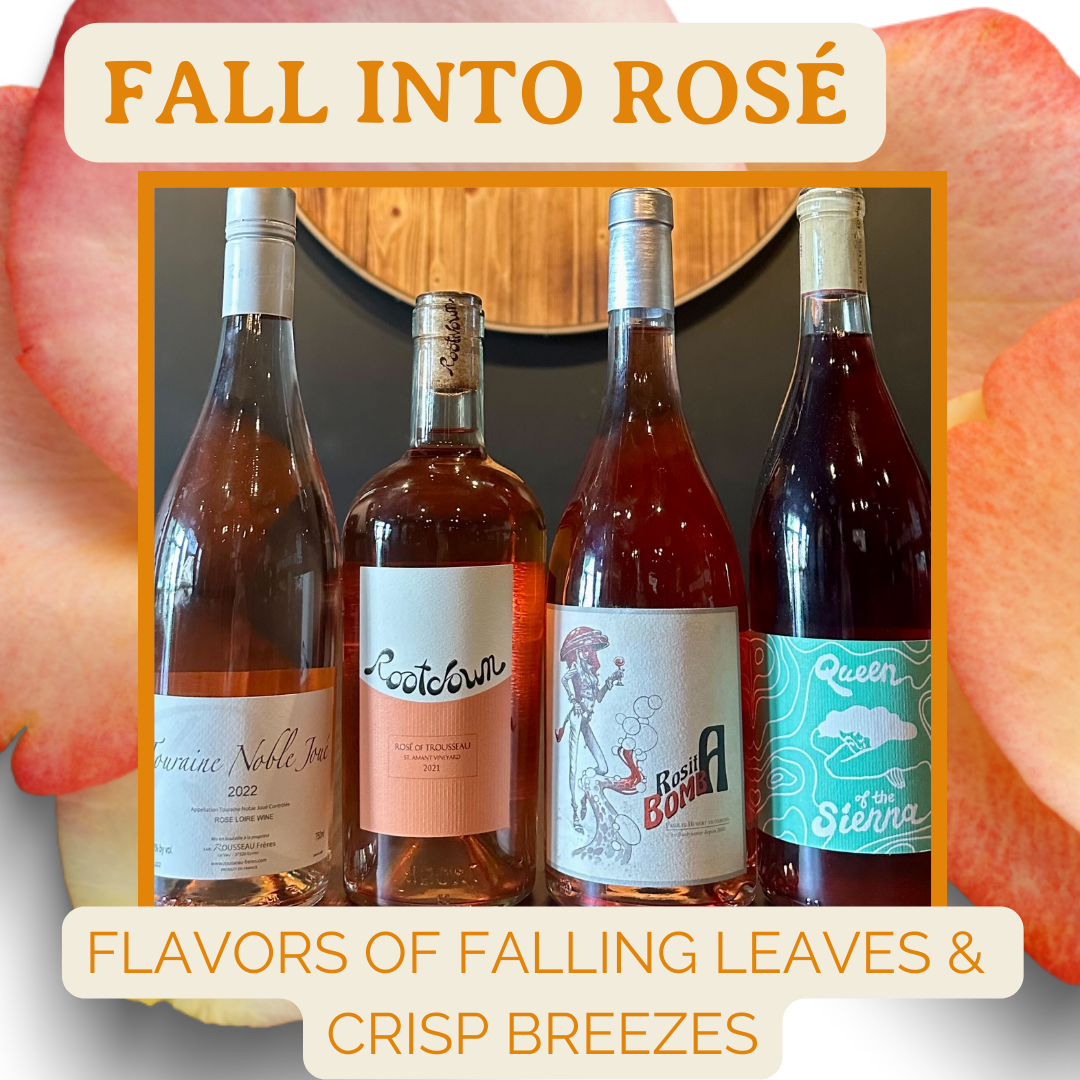
Fall Into Rosé
These rosés made us think of falling leaves and crisp breezes, welcome to fall! Taste through this amazing lineup of autumnal wines to see which one is your favorite.
Cali Vs. France
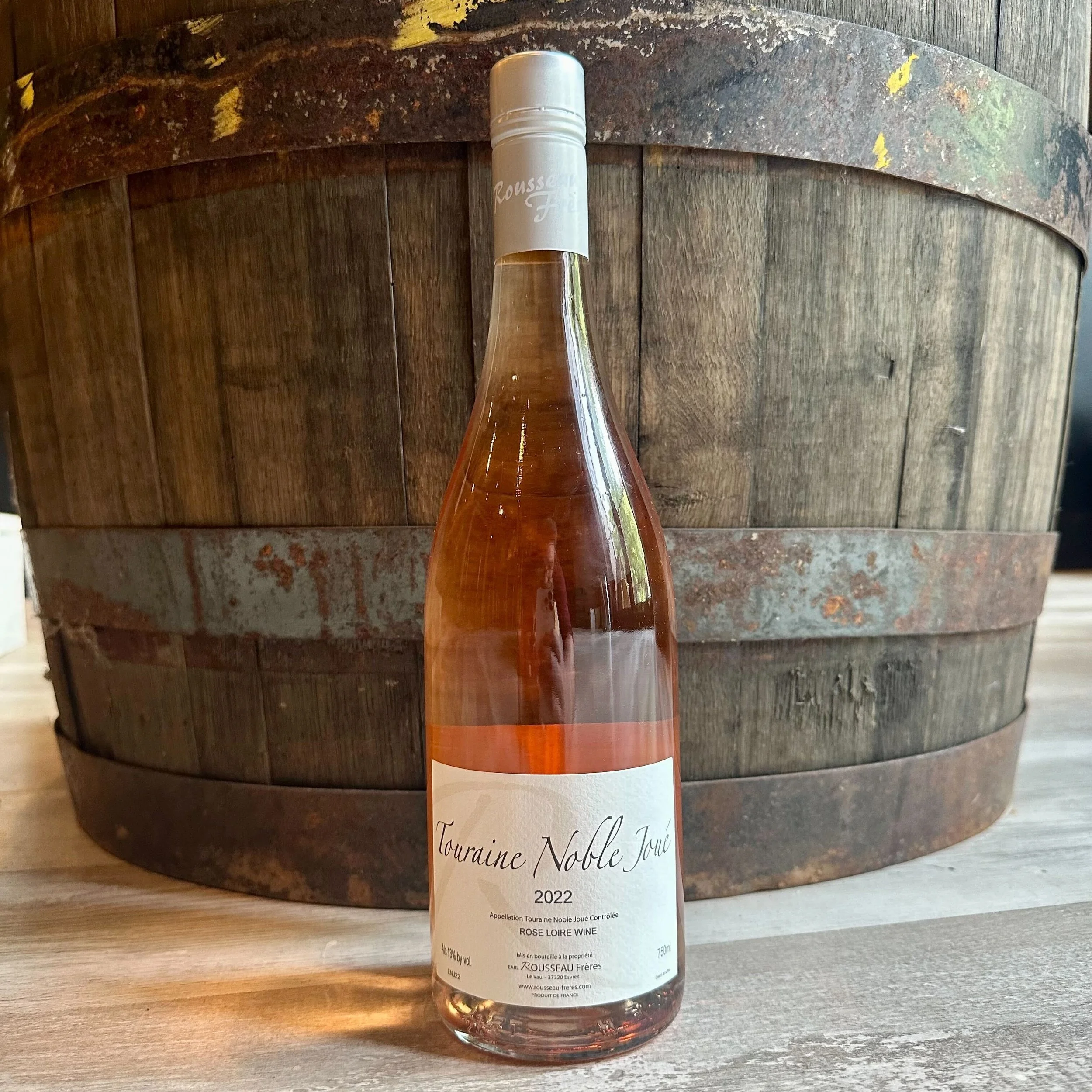
Rousseau Frères
Grapes: 50% Pinot Meunier, 35% Pinot Gris, 15% Pinot Noir
Place: Touraine Noble Joué, Loire Valley - France
Process: The three types of grapes are vinified separately. Immediately pressed, the grapes give a grey wine, called “Partridge eye pink”. The alcoholic fermentation happened in 2 months under temperature control between 17-20° in stainless-steel tanks, with natural yeasts.
Maturing on fine lees for 3 months to gain aromas and roundness.
Family: Located in Touraine, in Esvres between the Cher and Indre river, Bernard and Michel Rousseau cultivate 19 ha of grapevine, mostly in the appellation Touraine Noble Joue. Winegrowers for 4 generations and attached to our wine growing region, we cultivate our vineyard on the integrated agriculture principle.
Grapevines are planted with grass to preserve the biologocal life of the soil, the grape processings are low-dose and in biocontrol in order to maintain the ecological balance. We associate tradition, modernity and creativity in the respect of our wine growing region to elaborate our wines.
Bottle: $21 | Glass: $9
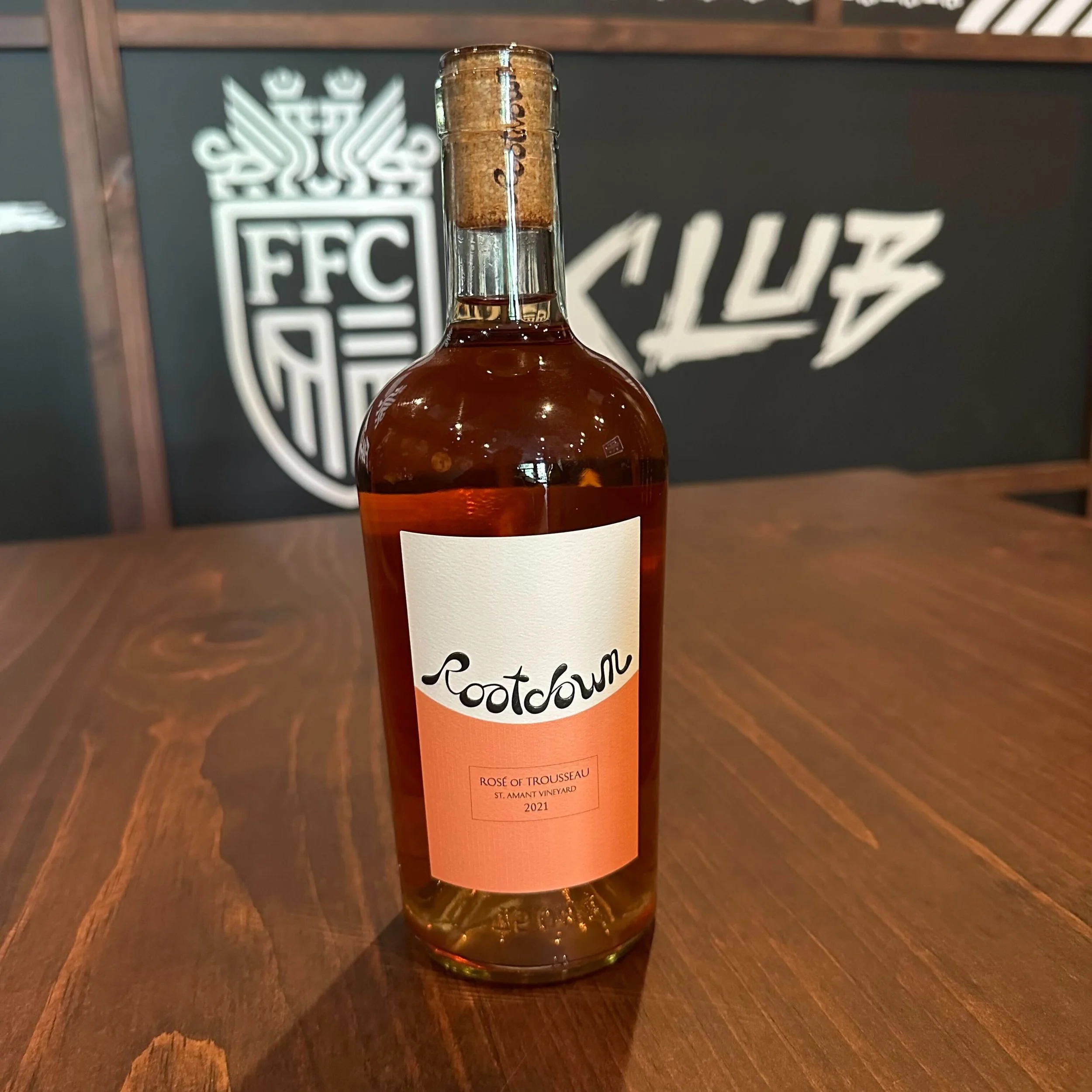
Rootdown
Grapes: 100% Trousseau
Place: Sonoma, California - USA
Process: Sourced from organically farmed St. Amant Vineyard in Amador County. Foot-tread, cold-soaked for 24 hours, pressed, and settled. Spontaneous fermentation starts in steel and then goes to neutral oak to finish.
Mike ferments his wines with native yeasts, no new oak, and sulfur ONLY in amounts equal to what is found naturally on the vine. After close to 20 years in the biz, Mike’s skill as a winemaker is finely tuned, but he usually prefers to let curiosity inform what happens with his wines. He is constantly having fun making decisions that he "shouldn’t" make, and always playing with “What if?”
Family: Mike Lucia is no newcomer to the Northern California wine scene, as the owner and producer of multiple wine brands including Rootdown, Cole Ranch, and Es Okay. His winemaking roots go all the way back to the early 90s. His newest venture, Cole Ranch Vineyard & AVA is testing all of his knowledge, as he studies a unique terroir and pushes to find the best Alpine varietals that will thrive in the Cole Ranch soil and climate.
A few new projects are in the works -- Cole Ranch estate vineyard will focus on 2 very different brands from the same property. The Cole Ranch brand will focus on old-guard varieties from vines planted in the 1970's (Cab, Merlot, and Riesling), and a new brand called Cole is in the works that will focus on Savoie varieties from the mountainous Alps Region of France.
Bottle: $33 | Glass: $14
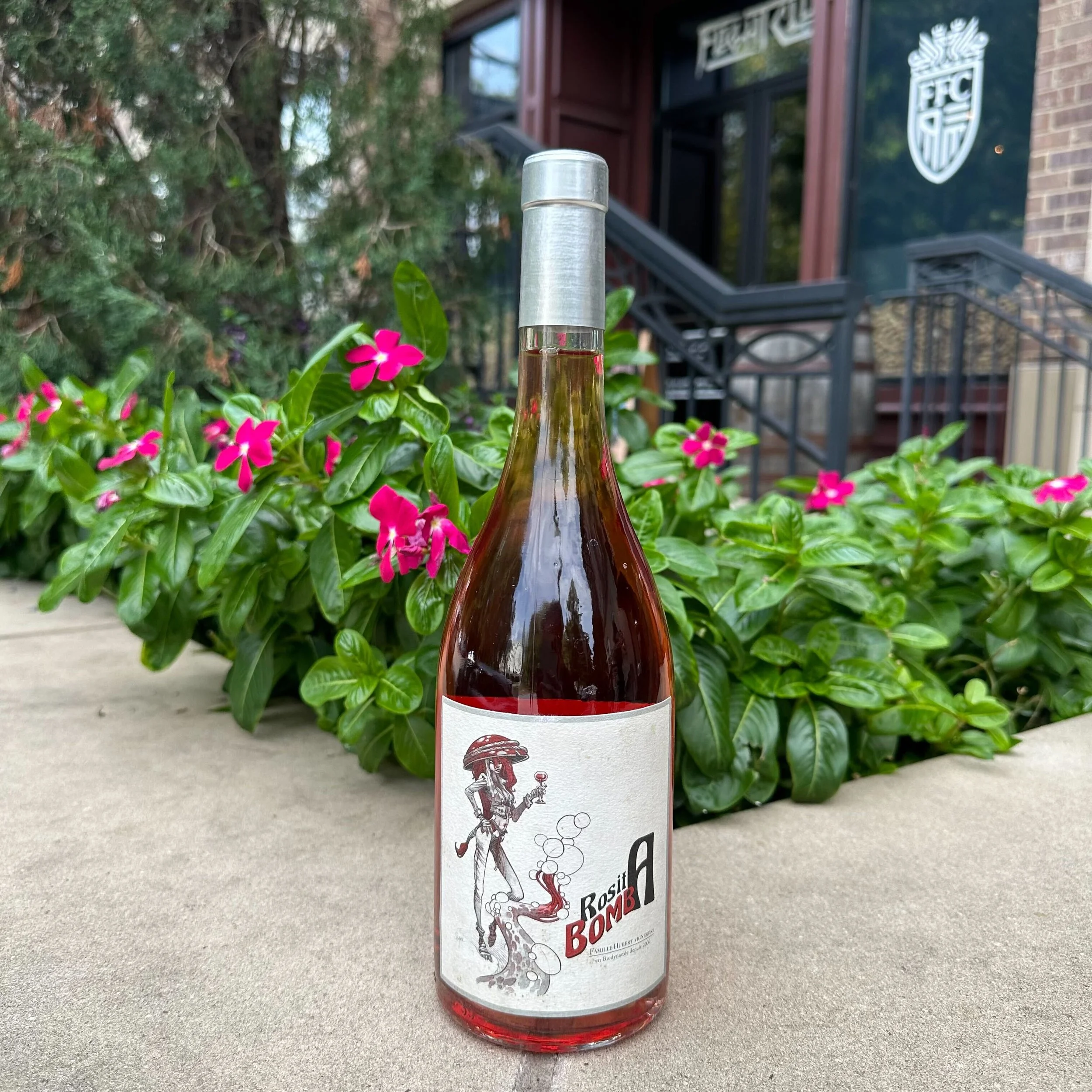
Rosita Bomba
Grapes: Cabernet Franc, Merlot
Place: Bordeaux - France
Process: Manual and mechanical harvests, gentle pressing, light sulphiting, spontaneous fermentation, no fining of the wine, sedimentary clarification in the cold.
Biodynamic since 2000, double Guyot pruning, spontaneous winter grassing, soil tillage in spring. Treatments combining Bordeaux mixture in small quantities with herbal teas from plants such as horsetail and nettle..
Family: Catherine’s great-grandfather acquired Château Peybonhomme-les-Tours in 1890, when it was classified as a ‘Premier Cru Bourgeois’.
This was the beginning of an incredible adventure. Generation followed after generation with both joyful and sad experiences, like the collapse of the chateau’s second tower following a fire. In a cruel twist of fate, it had just survived a nearby bombing in 1944.
In 1997, Catherine and Jean-Luc fell for the charms of Château La Grolet with its combination of a beautiful location and high-quality terroir and wines, and a biodynamic adventure was begun.
Bottle: $37 | Glass: $15
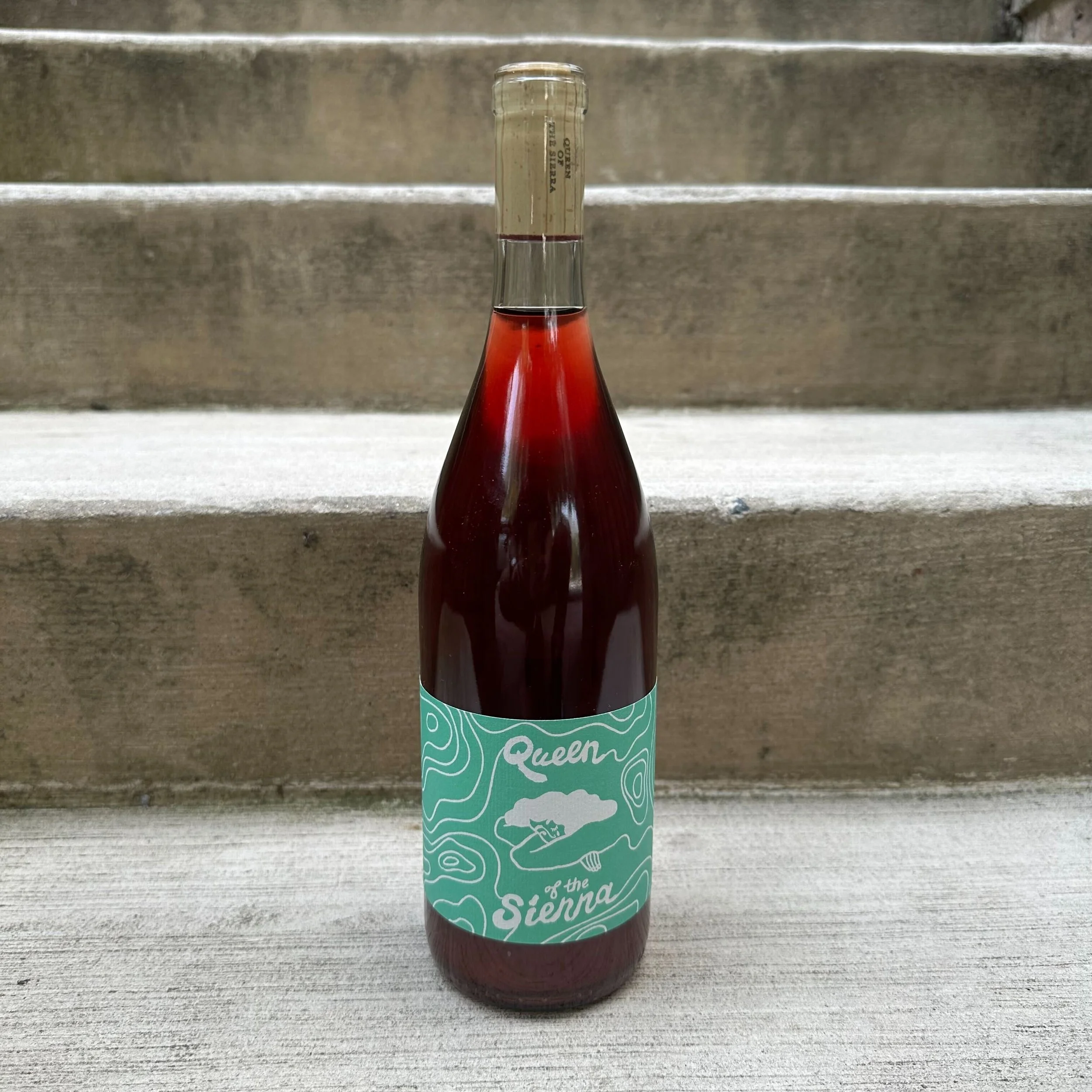
Queen Of The Sierra Rosé
Grapes: Zinfandel, Grenache Noir, Tempranillo
Place: Calaveras County, California - USA
Process: The Queen of the Sierra rosé was organically grown on the Rorick estate vineyard in Calaveras County at 2000’ elevation, featuring soils comprised of a layer of schist over dolomite-rich limestone. The wine shows all of the aromatic complexity and textural presence that are the hallmarks of wines grown on the limestone of our estate. It presents a wonderful dynamic tension between an entry that displays a hint of roundness and the bright, electric acidity that makes up this wine’s backbone.
The fruit was hand-picked and whole-cluster pressed into stainless steel; fermentation was allowed to begin spontaneously with native yeast. The wine was racked off of lees in December following primary ferment, and bottled unfiltered in February 2020. No new oak is utilized, and nothing was added to the must or wine (no cultured yeast, ML bacteria, water, tartaric acid, enzymes, nutrients, etc) with the exception of minimal effective SO2.
Family: At Forlorn Hope Wines, we love the longshots. We love the outsiders, the lost causes, the people/projects/ideas abandoned as not having a chance in the world.
We love the little guy because we’re all about tenacity, we relish a challenge, and – we admit it – we love us a good tussle. Taken from the Dutch ‘verloren hoop’, meaning ‘lost troop’, Forlorn Hope was the name given to the band of soldiers who volunteered to lead the charge directly into enemy defenses. The chance of success for the Forlorn Hope was always slim, but the glory and rewards granted to survivors ensured no shortage of applicants. These bottles are our headlong rush into the breach. Rare creatures from the limestone slopes of Rorick Heritage Vineyard, these wines are our brave advance party, our pride and joy – our Forlorn Hope.
Bottle: $29 | Glass: $13