
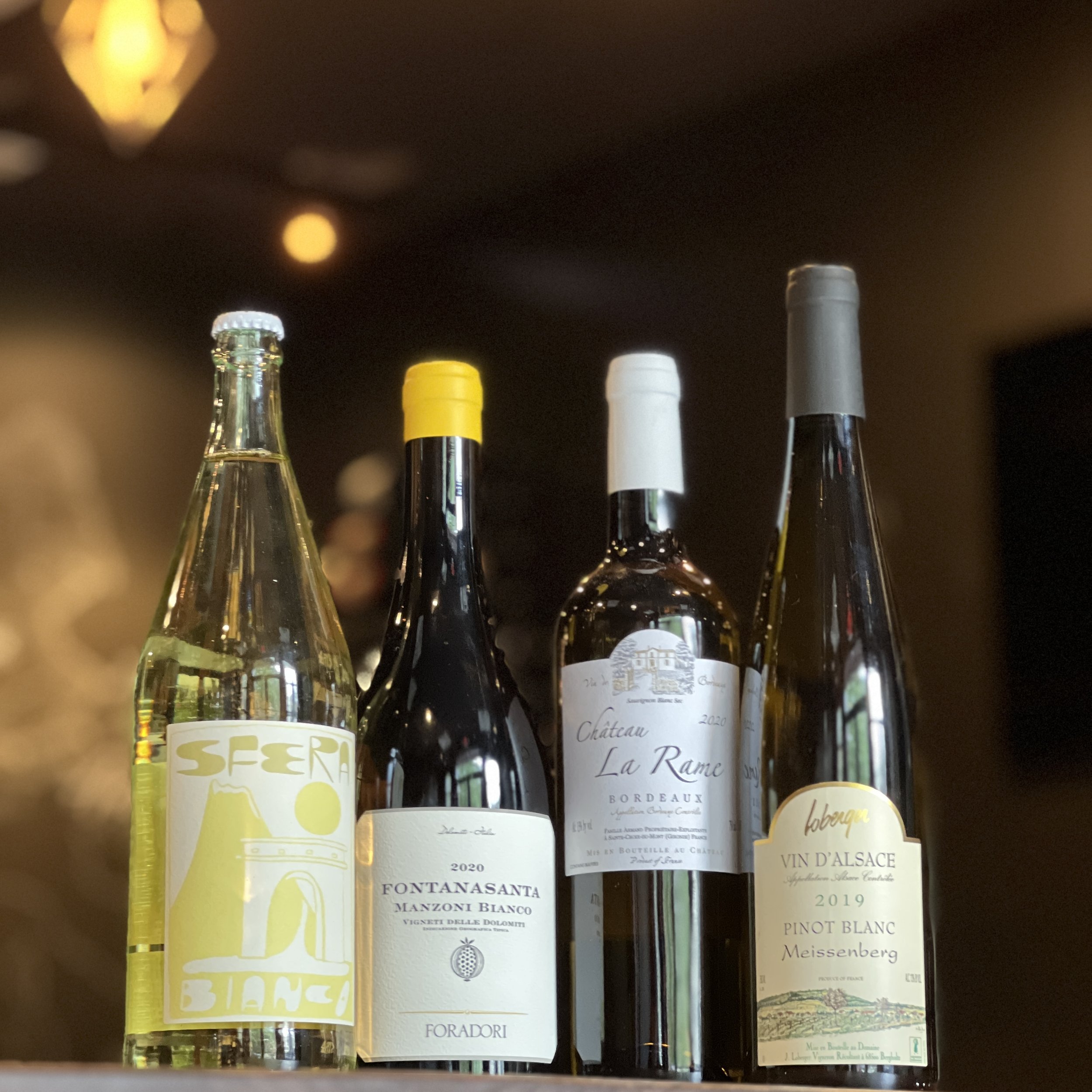
France/Italy Faceoff
Do you love the white wines France and Italy have to offer? Well here’s your chance to decide which is best!
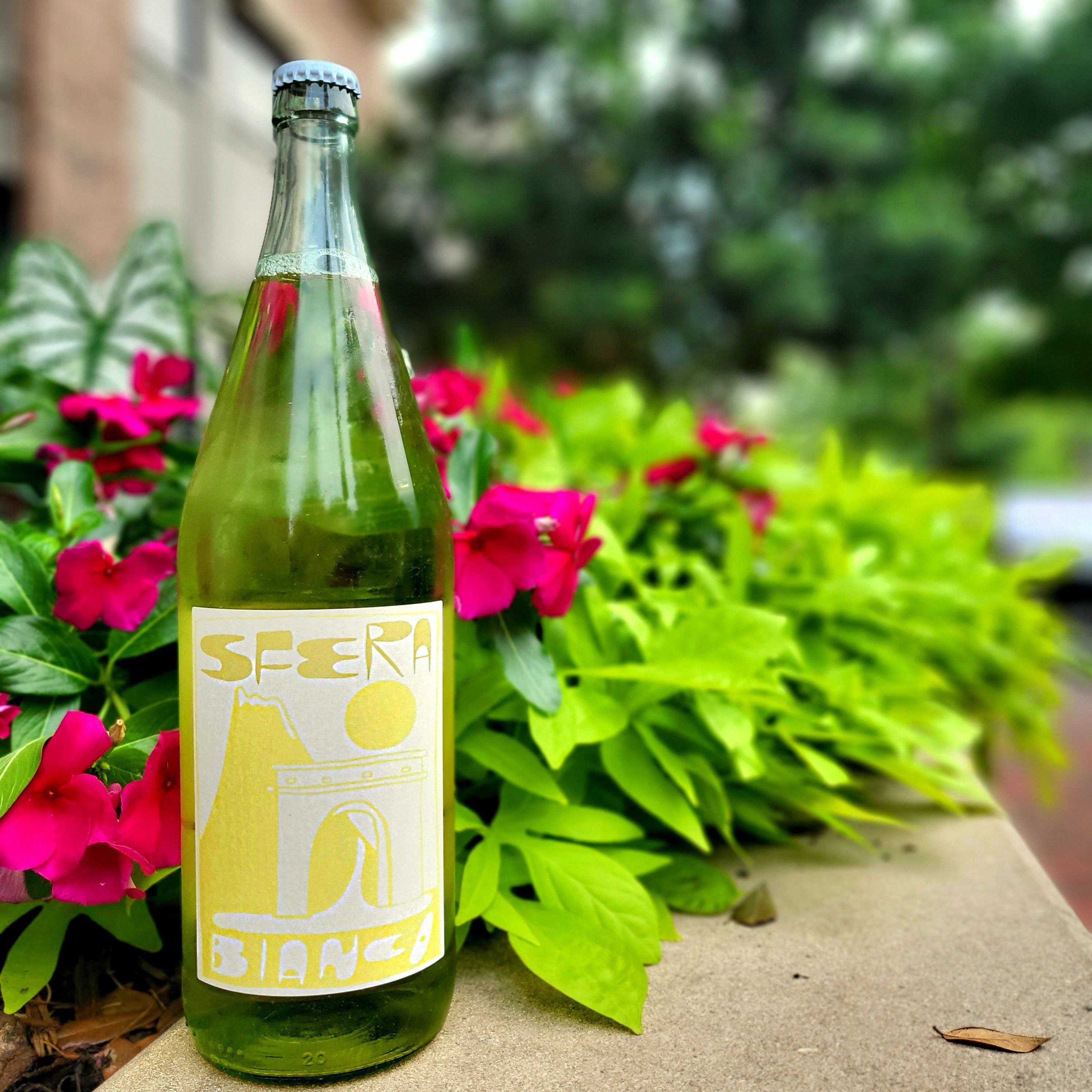
SFERA Bianco
100% Ribolla Gialla from Friuli, Italy. : Direct pressing of grapes; steel tank fermentation for 14 days without temperature control. 6 months thereafter resting on lees, with weekly battonages. Multiple rackings and natural decant of sediment.
A slightly chilled down liter bottle with a crown cap is just the thing for an apertivo or an impromptu dinner. Sfera’s at once terroir-driven, but also an interesting take on liters, and bottling wine in general. As Sfera says on their quirky site: Cosmic Verve in a Grounded Italian Liter…From the Alps to the Mediterranean. Sfera collaborates with multiple small certified-organic farmers to bottle liters in limited runs, and are keen to give the producer credit by clearly putting the winery’s name and providence on the back label. This all means that the producers change, but front labels don’t. Another constant is that the wines are naturally made, and fall into certain guidelines that are lab tested before and after bottling. It’s a win-win, small certified organic producers get to do a fun liter project, and we get to explore Italy.
Bottle: $25 | Glass: $11
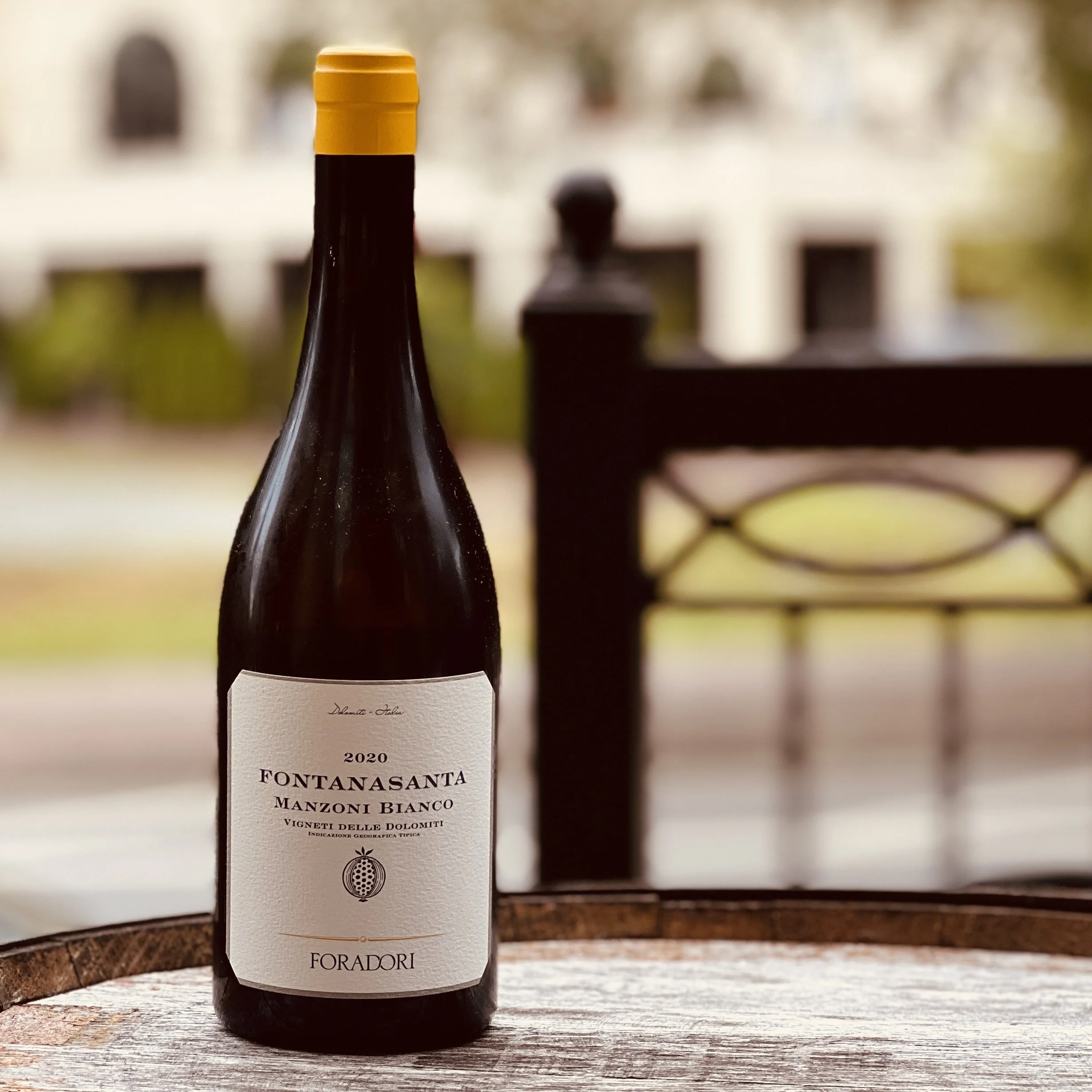
Foradori Fontanasanta Manzoni Bianco
The hill overlooking Trento, Italy, with its clayey-limestone soils, welcomes the Manzoni Bianco and matures the grapes in late September. The character of the Fontanasanta vineyards is expressed through this hybrid, born of a mix of Riesling with Pinot Bianco. Its ability to evolve overtime requires patience; Fontanasanta Manzoni Bianco is a wine that really comes into its own at least three years after harvest. Fermentation on the skins in cement tanks, followed by 7 months of aging in acacia casks.
At the helm today, a fourth generation of winemakers run Foradori’s activities. Today their children Emilio, Theo and Myrtha Zierock continue in their footsteps to run the winery.
Bottle: $41 | Glass: $18
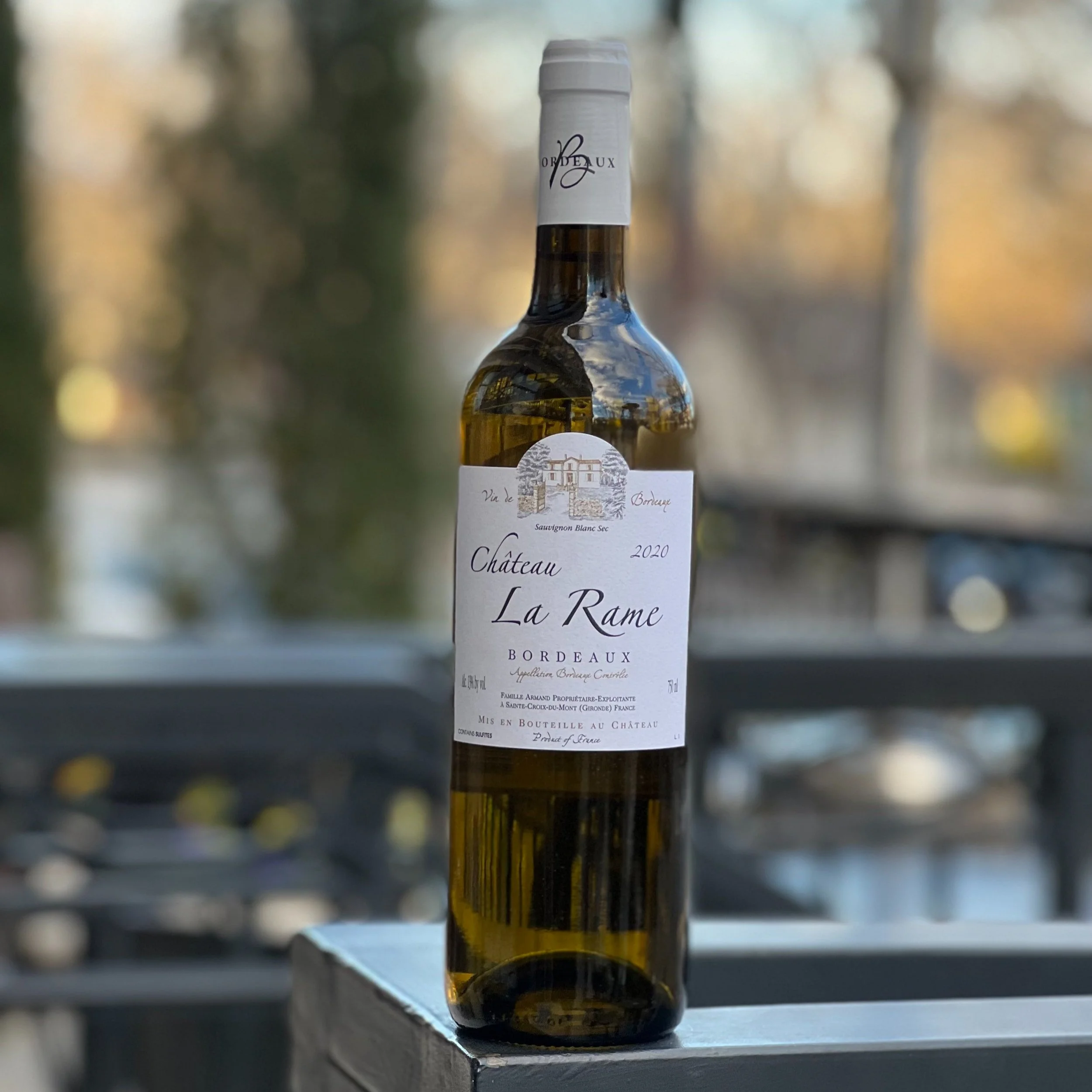
Chateau La Rame Bordeaux Blanc
The grapes for this cuvée come from a four hectare hillside parcel of clay and limestone soil with a full southern exposure that overlooks the Garonne River and is planted to Sauvignon Blanc. The vines have an average age of 20 years (as of 2011). After a manual harvest, the grapes are fermented in temperature-controlled vats and left on the fine lees for six months prior to bottling. From Bordeaux, France.
Fermentation: After total destemming, wine ferments with indigenous yeasts in stainless-steel tanks. • Pressing: Pneumatic pressing • Time on Lees: 3-6 months • Malolactic Fermentation: Blocked by wine's naturally high acidity. • Élevage: 3-6 months in stainless-steel tanks
Bottle: $25 | Glass: $11
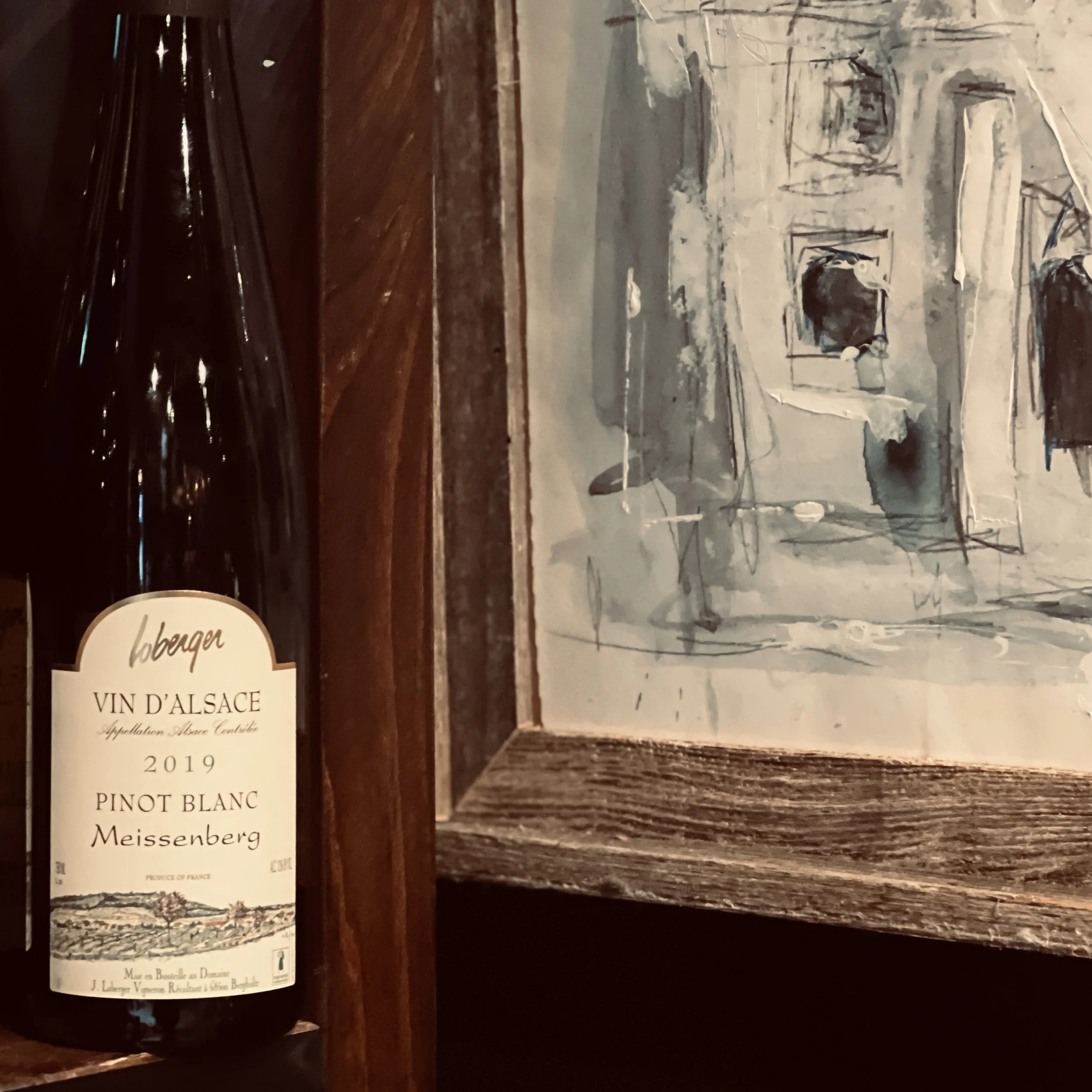
Domaine Loberger Meissenberg
Blend: 100% Pinot Blanc Terroir: Located in the “rain shadow” of the sub-Vosges hills in Alsace, France. Soil is composed of granite, limestone, clay, shale, sandstone Elevation: 600-1300 feet Farming: Biodynamic, natural farming Aging: 12 months in stainless steel tanks.
Domaine Loberger grows 20 acres of superior vines in the strictest accordance with biodynamic agriculture. The estate is located in the small village of Bergholtz, nestled at the bottom of the Vosges hills – a great geological site and birthplace of the famous Alsace wines. In 1984, Jean-Jacques Loberger took over the estate and started farming biodynamically and naturally, adhering to the strictest standards: regular manual work of the soils, hand-harvests, and low yields, giving their wines perfect balance and uniqueness. The 20 acres of vineyards are divided over 3 miles and benefit from both southeast and southwest exposure. Most of the vines are located on the hillsides of Guebwiller, Bergholtz, and Bergholtz-et-Zell, at up to 1200 feet elevation. These vineyards are geologically very diversified and gather amazing locations such as Grands Crus Kitterle, Saering, and Spiegel, as well as “lieux-dits” Meissenberg, Schwarzberg, and Trottberg.
Bottle: $25 | Glass: $11