
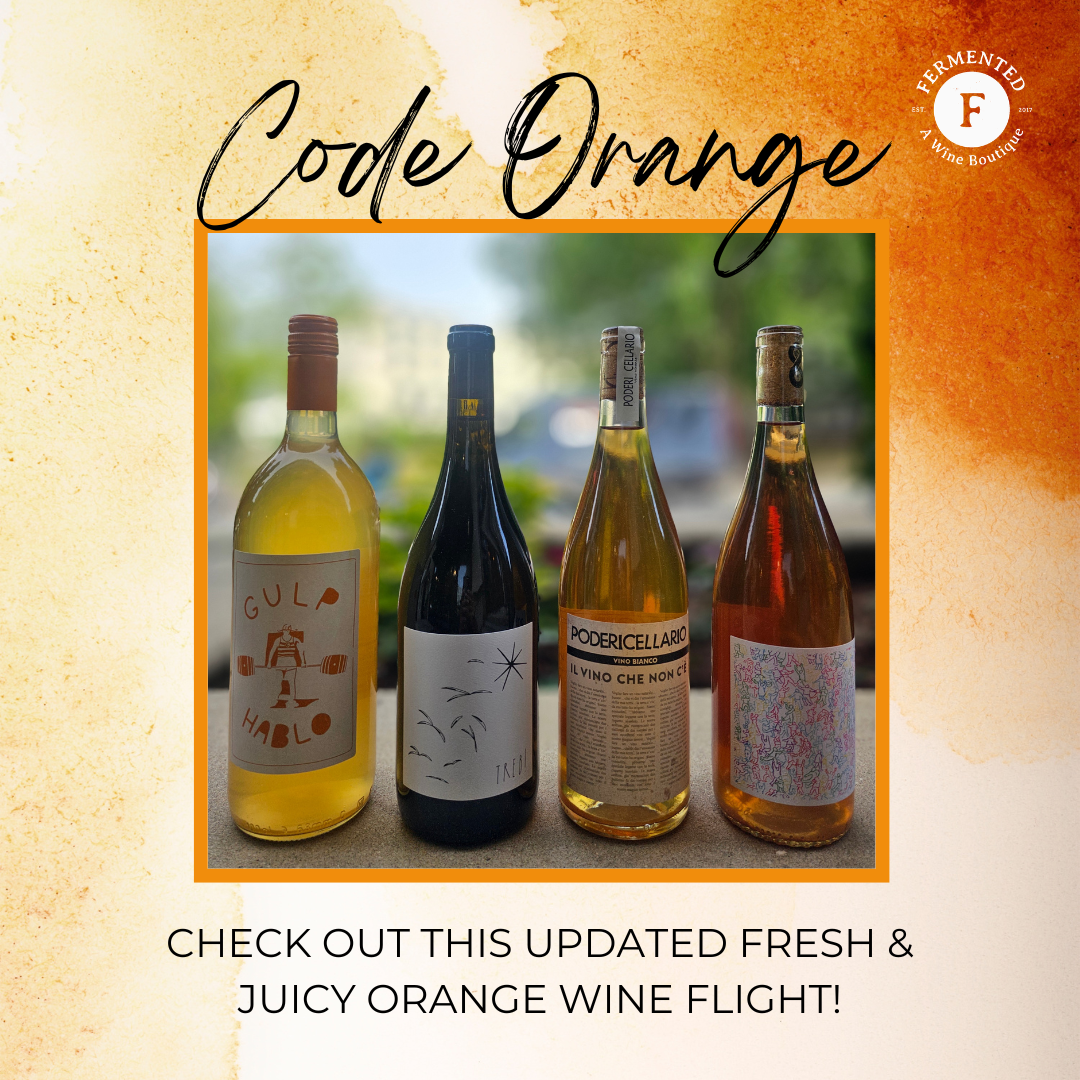
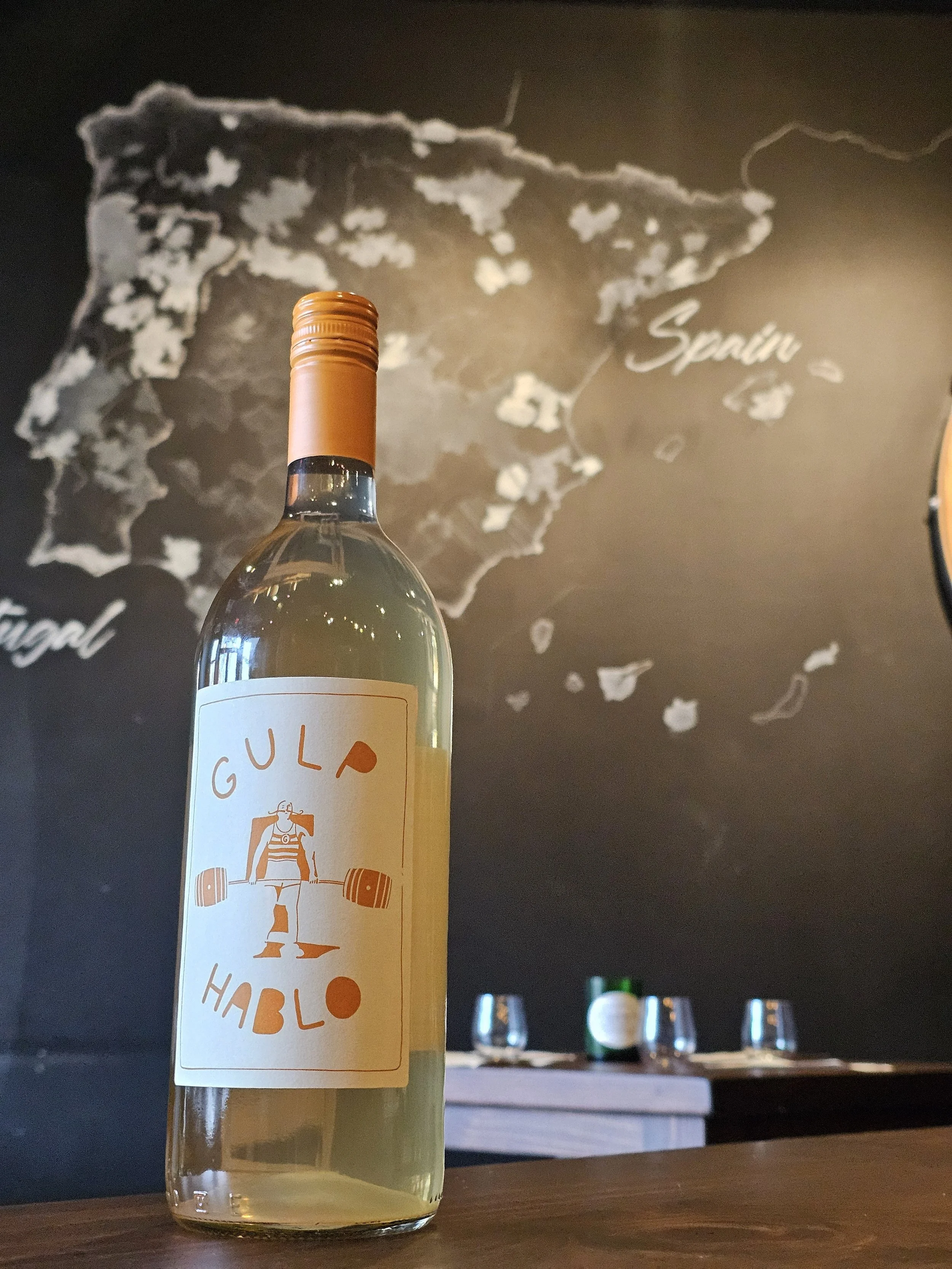
Gulp Hablo Orange
Grapes 50% Verdejo, 50% Sauvignon Blanc
Place La Mancha, Spain
Process Organic and Biodynamic farming practices. All grapes are harvested by hand. Fermented using only indigenous yeasts in stainless steel tanks. No Malolactic Fermentation in order to encourage a bright, zingy, and fresh profile. Minimal filtering or fining.
Family Nestled on the high-desert plateaus of La Mancha, Bodegas Parra Jiménez is renowned for its production of wines, crafted from a blend of native and international grape varieties grown in certified organic and sustainable vineyards. The winery is committed to producing wines that are not only pure and elegant but also structured, reflecting the unique terroir of the region.
For generations, the Parra family has been deeply rooted in the agricultural traditions of La Mancha. However, it wasn't until 1993 that they established their winery, at a time when organic viticulture was still a novel concept in the area. Undeterred by this, brothers Francisco, Javier, and Luis Parra chose to pioneer organic wine production.
They founded their winery in the village of Las Mesas, near Cuenca, and by 1996, they were exporting their first certified organic wines. In 2004, the Parra family embarked on an ambitious expansion, constructing new facilities at the Cuesta Colorá estate.
Their vision was to create a biodynamic, self-sustaining ecosystem. This led them to diversify their agricultural practices, incorporating livestock rearing and the cultivation of garlic, grains, peas, and lentils, thereby completing the agricultural cycle. Today, the estate boasts Sohiscert organic and Demeter biodynamic certifications and produces not only wine but also organic garlic and Manchego cheese.
Since 2017, Pablo, Javier's son, has led the winemaking efforts at Bodegas Parra Jiménez. Drawing on his education from the University of Ribera del Duero and mentorship from the esteemed Juan Antonio Ponce, Pablo has curated a collection of concentrated, well-structured wines. His innovative approach has introduced new techniques and styles to the estate, including the production of orange wines, pet-nats, and amphorae-aged wines, alongside traditional methods.
Under Pablo's guidance, Bodegas Parra Jiménez continues to be a beacon of biodynamic farming and winemaking in La Mancha, pushing the boundaries of traditional viticulture and enology to new heights.
Bottle: $25 | Glass: $11
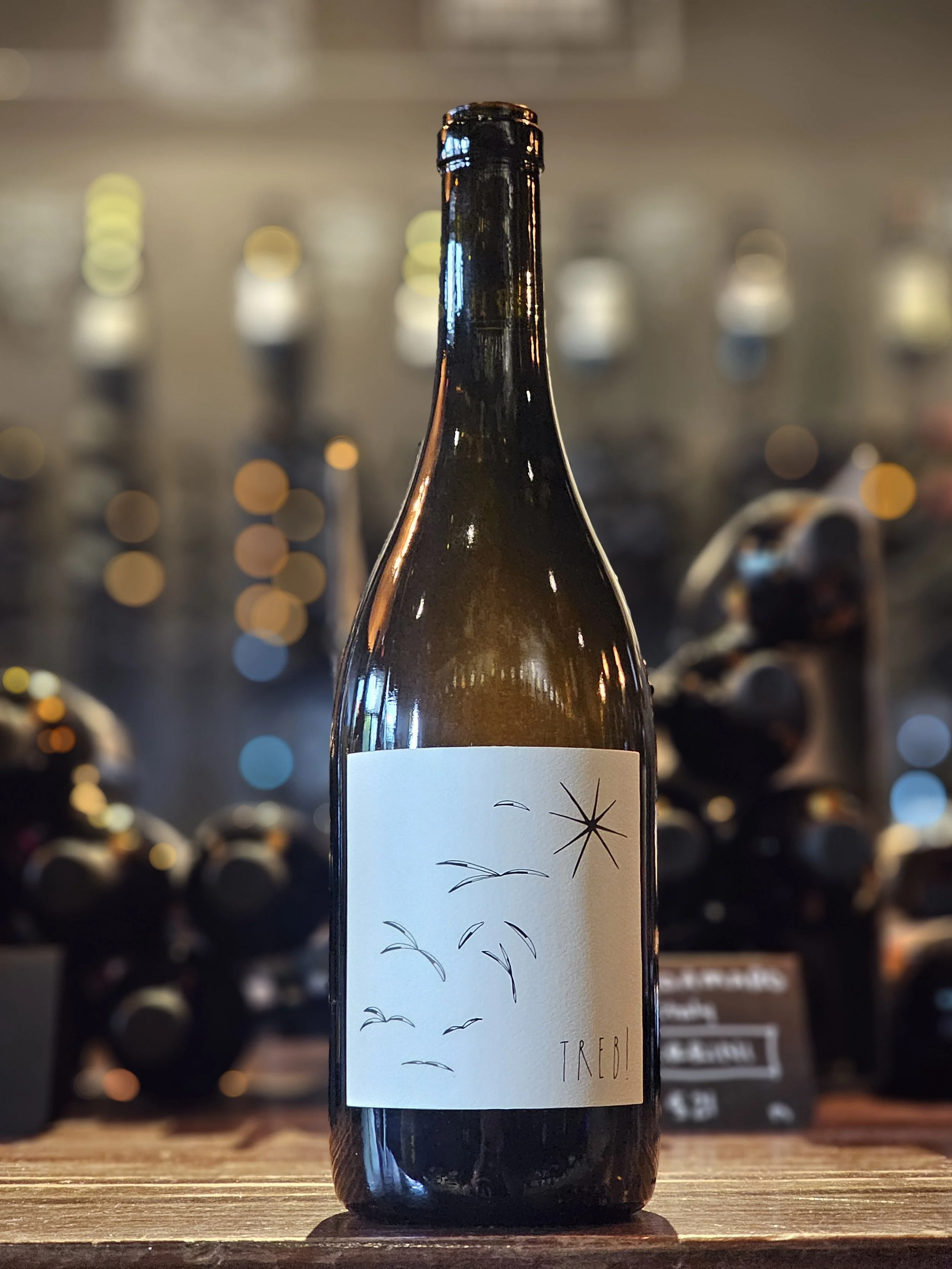
Broc Cellars “Treb!“
Grapes 100% Trebbiano
Place Santa Barbara, California
Process Organically grown grapes are harvested early to maintain a lower “brix” and a higher acidity. The grapes are pressed into stainless steel tanks to ferment on the skins for 2 days. It is then aged in neutral oak barriques for 13 months. No added sulfur during fermentation or aging. 215 cases produced.
(Brix = a scale that measures the sugar content in grape juice or wine, expressed as a percentage, and helps winemakers estimate potential alcohol levels and determine optimal harvest timing)
Family Chris Brockway’s winemaking journey began with California Zinfandel. The spicy, brambly fruit style drew him from his hometown of Omaha, Nebraska all the way to California. What he found, however, was that California wines had changed to fit the “bigger is better” mold of the time. Personally, he felt it was all too much – high alcohol, too big, too much everything.
Chris believed California wine could be different. From a single barrel in 2002 to now over 20 different wine releases a year, Broc Cellars makes fresh California wines to enjoy and for your table. In 2023, we extended our vision of simple and ethical winemaking into the vineyard as new owners of Fox Hill Vineyard.
Bottle: $35 | Glass: $15
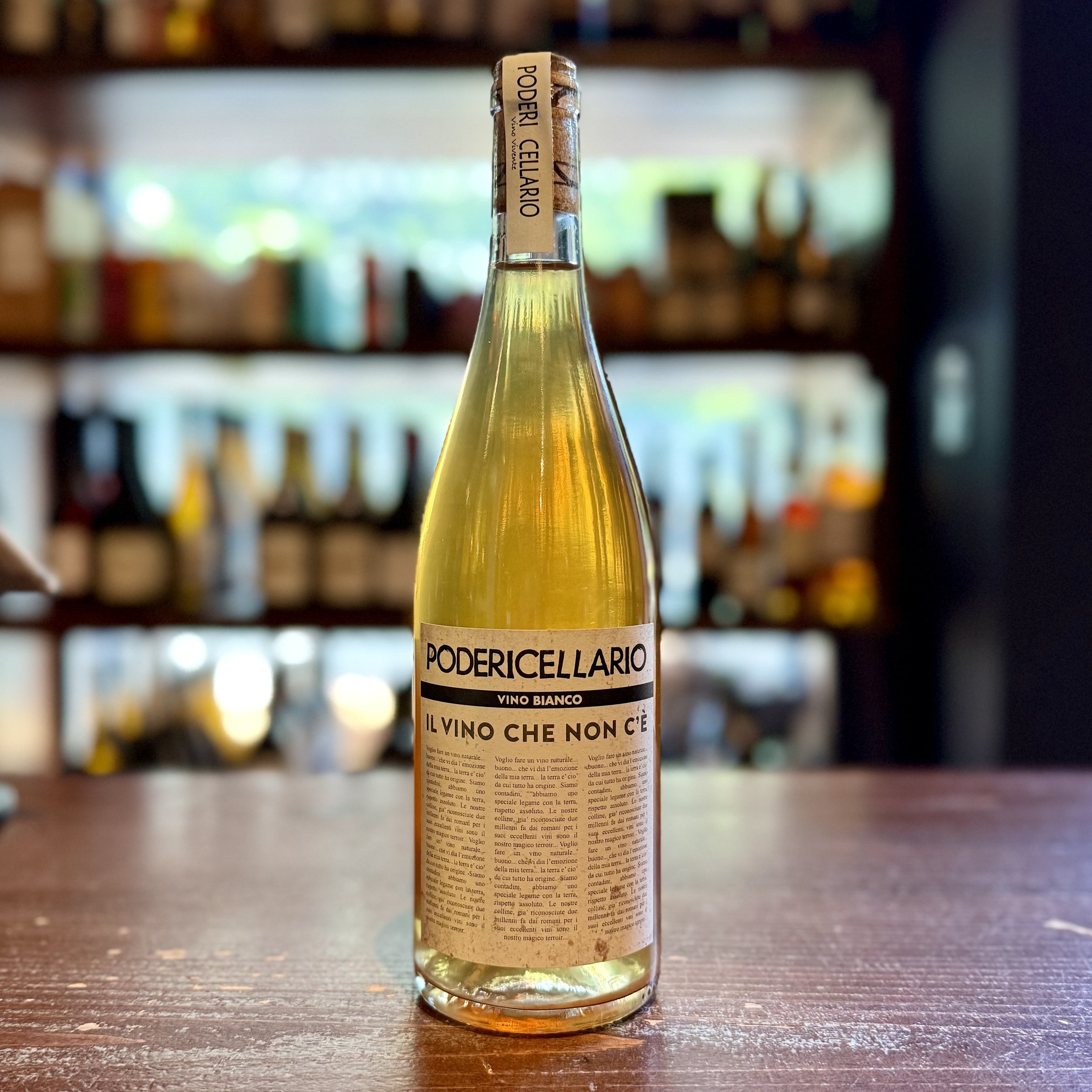
PoderiCellario ‘Il Vino Che Non C’e’ Vino Bianco
Grapes 80% Nascetta, 20% Cortese/Favorita
Place Piedmont, Italy
Process Spontaneous fermentation with 2 to 3 months of skin maceration in Amphora. Aged in Amphora. No filtering or fining and minimal sulfur added if necessary.
Family Fausto and Cinzia Cellario are 3rd generation winemakers in the village of Carru` on the western outskirts of the Langhe. The family believes in only working with local, indigenous Piemontese grape varieties and fiercely defends local winemaking traditions both in the vineyard work and the cellar practices. The Cellario vineyard holdings cover some 30 ha between 5 different vineyard sites covering the southern Langhe. With holdings in Novello and Monforte, the Dogliani plot is arguably the family’s most prestigious land and I would consider them Dolcetto specialists. Vineyard work is organic (soon to be certified) and all the fermentation take place with indigenous yeasts. Sulfur is only added in tiny quantities at bottling if necessary (a practice not common with a winery in this mid-size range).
Bottle: $37 | Glass: $16
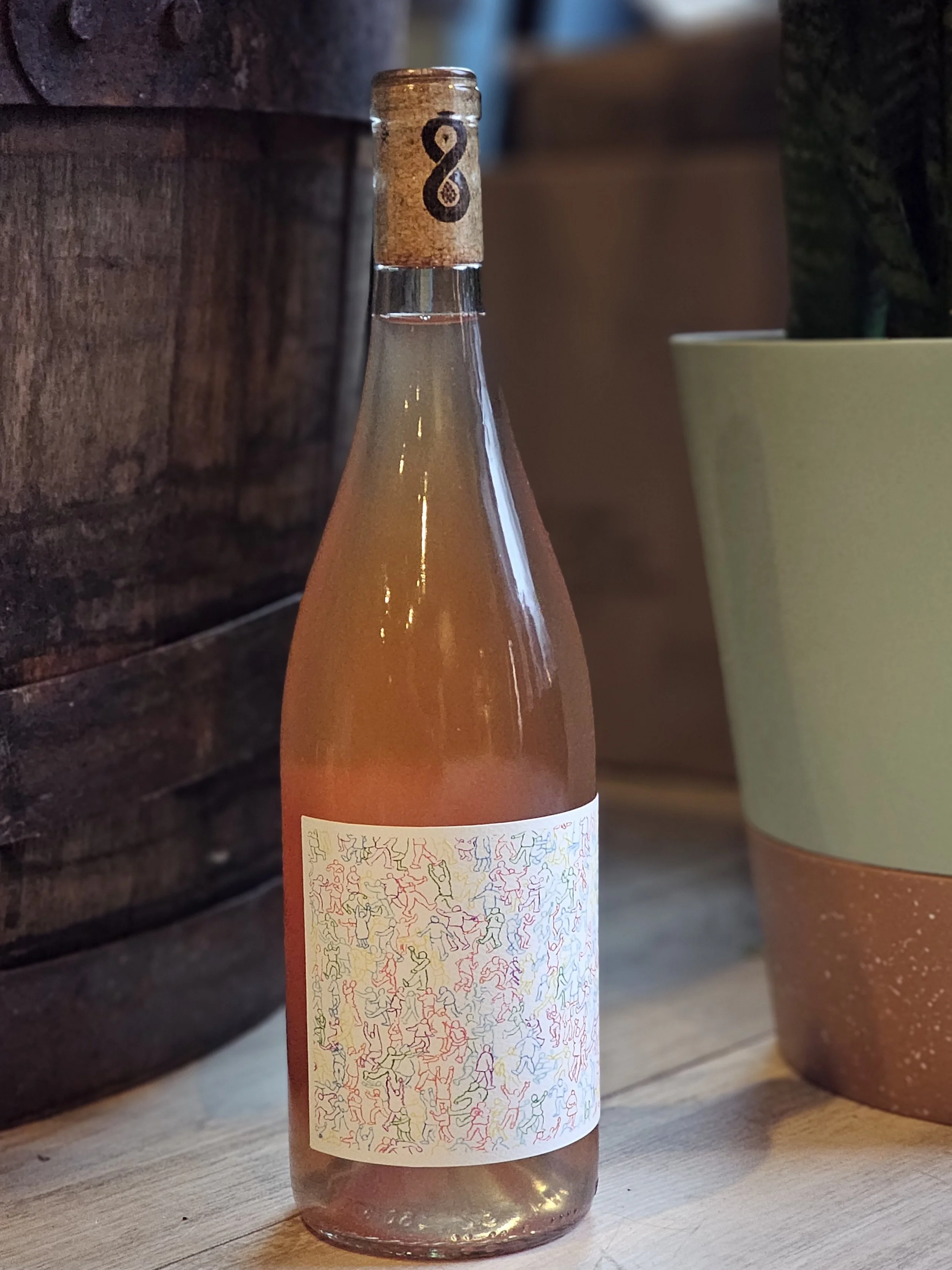
Limited Addition ‘Piquette‘ Orange
Grapes Pinot Gris, Gewuerztraminer, Muscat, Riesling
Place Willamette Valley, Oregon
Process All grapes are organically farmed. After pressing, the grape must (pomace) is collected and refermented with spring water and native yeasts, creating a low-alcohol, slightly fizzy wine (piquette). That wine is then briefly aged in a combination of neutral oak and stainless steel. Unfined and unfiltered
Family Australian-born Master of Wine Bree Stock spent several years traveling and working in some of the world’s most renowned winegrowing regions, including Australia, Austria, France, Spain, and Portugal.
In 2014, she arrived in Oregon’s Willamette Valley and quickly recognized that the region was being underappreciated, underimagined, and underutilized for its potential in premium cool-climate wine production.
In 2015, she met enologist Chad Stock, the founder of Minimus wines. Chad shared the same philosophies about the potential of the Willamette Valley growing region for growing more than just a couple of grape varieties and also had a commitment to natural fermentation methods.
Over the next few years, they worked to expand on Chad’s work at Johan and Jubilee Vineyards in the Van Duzer Corridor AVA and Eola-Amity Hills AVA.
Their shared visions for diversity inspired growers who recognized the need for building greater resilience in their vineyards through increasing varietal diversity for a more sustainable and interesting wine industry.
Bottle: $25 | Glass: $11